10 African countries leading the continent’s travel exodus
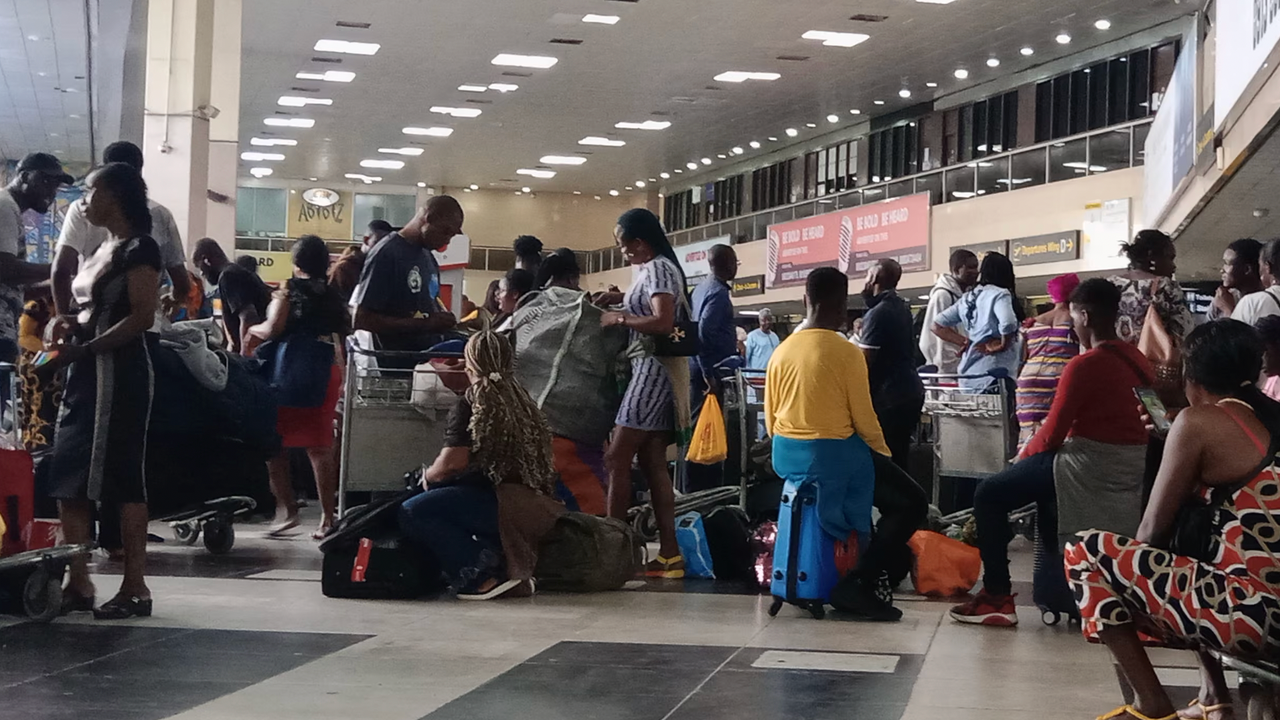
Africa’s migration story is becoming one of the continent’s defining realities.
A new ranking based on the UN International Migrant Stock dataset (UNDESA, 2024) highlights the African countries with the largest number of citizens living abroad, underscoring the scale of movement driven by opportunity, insecurity, and climate pressure.
At the heart of the trend is a simple calculation many households make every day: where can work actually pay enough to build a life? Wage gaps between African economies and popular destinations such as Europe, North America and the Gulf states continue to pull skilled and semi-skilled workers across borders.
But for others, travel is not a choice — it is survival. Conflict and instability in parts of the continent have pushed families to move quickly, sometimes with little more than what they can carry. As the report notes, wars and violence in places such as Sudan, South Sudan, the Sahel and the Horn of Africa have made migration a “survival strategy” for many.
Climate change is also accelerating movement, especially from rural communities. Drought, desertification, flooding and falling agricultural yields are disrupting farming and pastoral livelihoods, making migration an increasingly necessary adaptation.
RECOMMENDED FOR YOU
Six countries account for three-quarters of Europe’s unicorn startups
The impact of this growing diaspora is complex. Remittances sent home have become a financial lifeline for millions, helping families afford food, healthcare, education and housing. In some cases surpassing foreign aid. Yet the same trend can deepen “brain drain”, as countries lose professionals such as doctors, engineers and teachers, weakening essential services and long-term development.
The UN-backed ranking places Egypt, Sudan, Morocco, South Sudan and the Democratic Republic of Congo among Africa’s largest migrant-sending nations, reflecting both economic ambition and forced displacement.
This story is written and edited by the Global South World team, you can contact us here.