26 African countries face more heat-related deaths by 2050, study finds

At least 26 African countries are projected to record more deaths linked to rising temperatures by 2050 than they did on average between 2001 and 2010, according to new research from the Climate Impact Lab.
The report warns that heat is set to become a bigger public-health threat across parts of the continent, with Burkina Faso, Mauritania and Niger among the countries where temperature-related deaths could outpace fatalities from stroke, one of the world’s leading killers.
Researchers said some of the sharpest increases are expected in parts of the Horn of Africa, including Djibouti, Somalia and Ethiopia’s lowlands, where extreme heat exposure is already rising and is projected to worsen as the climate warms.
The report also highlights how vulnerability, not just climate, shapes outcomes. It points to Djibouti, which is projected to see a rise in heat-related deaths roughly twice that of Kuwait despite broadly similar hot-weather conditions, a gap the researchers link to differences in resilience and protection.
“In Djibouti, temperature-related mortality is projected to increase by 55 deaths per 100,000, on par with the current death rate of HIV/AIDS, while Kuwait is projected to experience 25 additional deaths per 100,000, less than half the current death rate of heart disease,” the report found.
RECOMMENDED FOR YOU
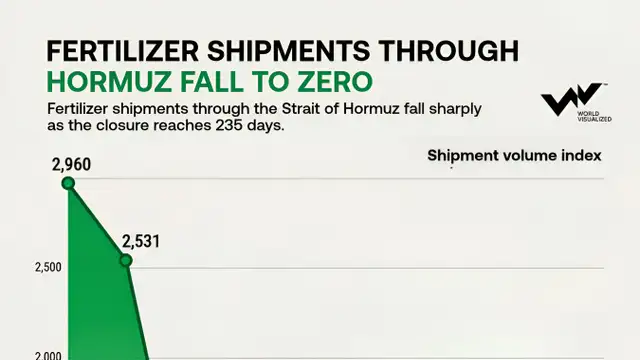
Fertilizer shipments through Strait of Hormuz fall to zero as food security fears grow
A major theme in the findings is inequality; poorer communities are expected to suffer the most because they have fewer ways to escape extreme heat, from limited access to cooling, to weaker health systems, to outdoor work that increases exposure. The Climate Impact Lab said this makes adaptation spending in low-income areas “critical.”
This story is written and edited by the Global South World team, you can contact us here.