A youth-led digital movement is reshaping how Africa talks about mental health
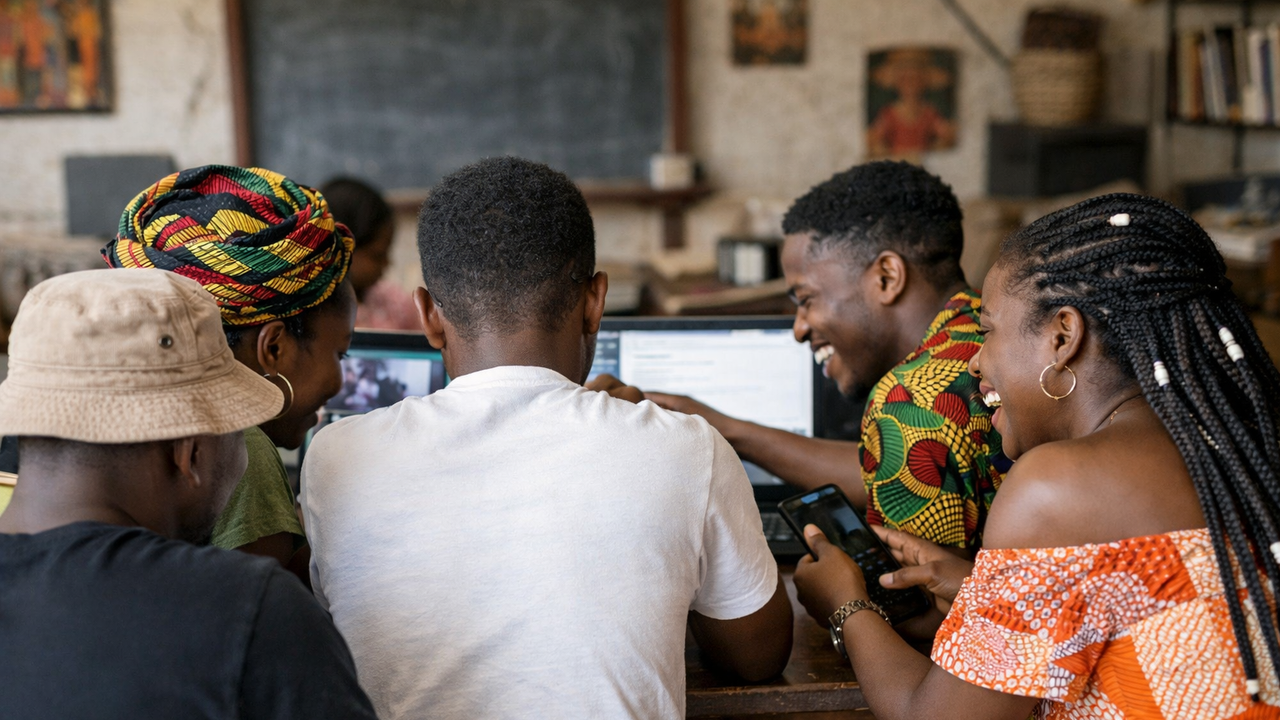
Across the African continent, a quiet crisis has long been simmering under the surface of daily life.
According to the World Health Organisation (WHO), nearly 150 million people in Africa are currently living with mental health conditions, ranging from depression and anxiety to substance use disorders.
Despite the scale of this challenge, mental health services remain severely under-resourced, fragmented, and inaccessible, particularly for those in rural or underserved communities.
The statistics paint a sobering picture: the regional suicide rate stands at 11.5 per 100,000 people, and in some nations, alcohol consumption rates exceed 10 litres per capita, further straining the region's fragile psychosocial landscape.
For young Africans, the burden is doubled by pervasive stigma and a lack of culturally relevant information, which often forces emotional struggles into the shadows until they reach a breaking point.
RECOMMENDED FOR YOU
Six countries account for three-quarters of Europe’s unicorn startups
A digital revolution in wellness
In response to this gap, a new wave of youth-led advocacy is leveraging technology to dismantle old taboos. SereniMind, a Nigerian mental health tech startup, is spearheading the Africa Wellness Voices Initiative (AWVI). Throughout February, this pan-African digital campaign has been spotlighting voices from up to 25 African countries, using AI-supported content coordination to amplify a singular message: mental health is a shared human experience.
Rather than relying on traditional, institutional messaging, AWVI centres its movement on authentic storytelling. By connecting young Africans across borders via digital platforms, the initiative has already reached over 300,000 people, fostering a space where it is finally deemed "okay to talk about how we feel".
“We are seeing a generation of young Africans ready to speak openly about mental wellness, but many still lack safe spaces and relatable platforms,” says Ridwan Oyenuga SereniMind founder and Coordinator of AWVI.
“Through technology and AI- supported coordination, we are connecting voices across countries to show that mental health is a shared human experience, not a private burden. AWVI is about making mental wellness visible, culturally relevant, and youth-led across Africa,” he adds.
Voices from the frontlines
The movement is powered by the insights of grassroots leaders and professionals who see mental wellness as the foundation of the continent's future.
Elizabeth Naomi Adhiambo, a counselling psychologist from Kenya, emphasises that prioritising mental health is what allows young people to build resilience and pursue their dreams. “It influences how young people think and cope with challenges.”
“By prioritising mental wellness, we empower young people to build resilience, self-awareness, confidence, and healthy coping skills,” she said.
In Uganda, Dr Joshua Brian Einstein, a mental health professional, argues that mental wellness is not just an aspiration but a “prophylactic” necessity that “underpins cognitive function, emotional regulation, and adaptive capacity.” He adds that “When unrecognised, psychosocial stressors may evolve into preventable mental disorders.”
RECOMMENDED FOR YOU

Burkina Faso to stop importing armoured vehicles, Traore says
For many, the campaign is about the fundamental right to exist without shame. Kamga Maeva Fombe of Cameroon describes wellness as the "freedom to exist fully" without shrinking oneself to survive, while for Sonia Silva from Guinea-Bissau, mental well-being is a human right, not a privilege. “We must break the silence and dismantle stigma, creating safe, compassionate spaces where women and young people can speak openly without fear or judgment,” she said.
A vision for 2063
This shift towards tech-driven, people-centred health movements aligns with global and continental goals. The initiative supports the UN Sustainable Development Goals—specifically those focusing on good health and reduced inequalities—and mirrors the African Union’s Agenda 2063, which envisions a continent powered by the potential of healthy, well-nourished citizens.
As Cyrus Malama of Zambia notes, the goal is to replace isolation with community: "Let’s check up on our friends and family and use our platforms to share more on mental health".
Disclaimer: The image used in this article is AI-generated
This story is written and edited by the Global South World team, you can contact us here.
