African leaders push for continent-led nuclear energy future at Kigali summit
African leaders gathering in Kigali on Tuesday called for the continent’s nuclear energy future to remain under African control, as governments explored new strategies to strengthen energy security and reduce dependence on costly imports.
Speaking at the Nuclear Energy Innovation Summit for Africa, Togolese leader Faure Essozimna Gnassingbé said nuclear development on the continent should be designed and managed by Africans.
“African nuclear energy will not be imported nuclear energy,” Gnassingbé said. “It will be nuclear energy designed, operated and governed by Africans, for the benefit of Africa.”
Tanzanian President Samia Suluhu Hassan stressed the importance of regional cooperation in building Africa’s nuclear capacity.
“Tanzania strongly believes that regional cooperation is essential for Africa’s successful nuclear energy future,” she said.
RECOMMENDED FOR YOU
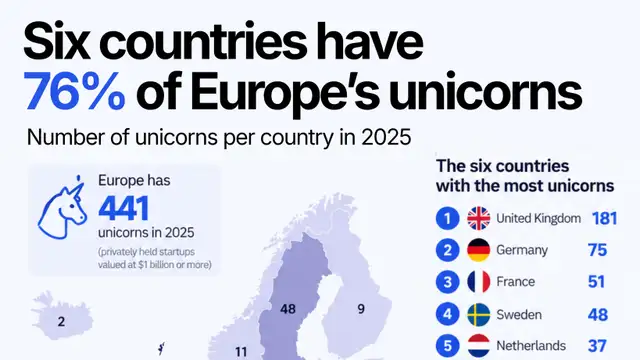
Six countries account for three-quarters of Europe’s unicorn startups
Hassan added that partnerships with international organisations and other countries would help African states strengthen expertise and regulatory systems.
The summit brought together presidents, ministers, regulators and international nuclear officials as African countries examined nuclear energy as part of broader efforts to address electricity shortages and rising energy costs.
Discussions focused on financing nuclear infrastructure, training local specialists and developing small modular reactors, known as SMRs, which many participants described as better suited to African energy systems.
Rwandan President Paul Kagame said small modular reactors offered the most practical solution for many African countries because they can be introduced gradually and connected to smaller electricity grids at lower cost.
“Renewable energy will remain indispensable, particularly solar and hydro, where Africa has enormous potential,” Kagame said.
African governments have increasingly argued that nuclear power should complement renewable energy sources such as solar, wind and hydroelectricity as part of long-term energy transition strategies.
This story is written and edited by the Global South World team, you can contact us here.