After 15 years, Bangladesh returns to the ballot in a vote born out of protests
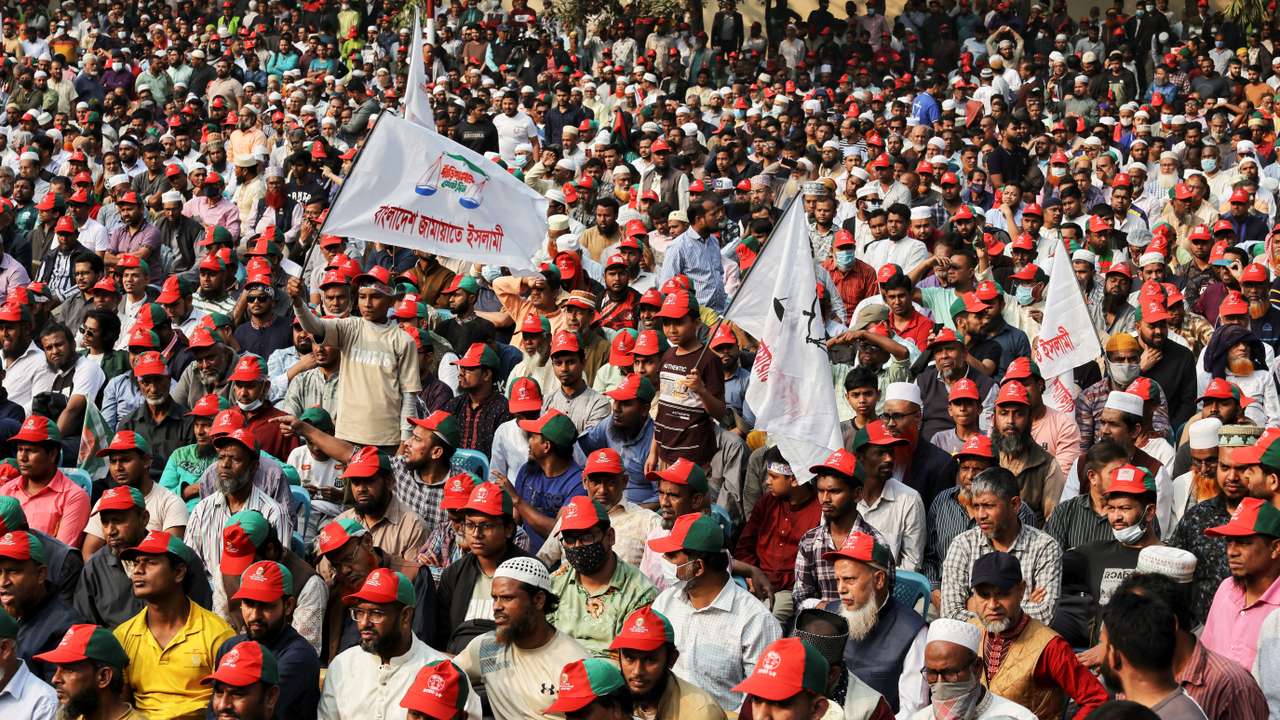
For the first time in over a decade and a half, Bangladesh is preparing for a national election that many citizens see as a genuine chance to shape the country’s future.
The general election scheduled for February 12, 2026, comes nearly 18 months after mass protests forced longtime leader Sheikh Hasina from power, ending her 15-year tenure as prime minister.
Hasina’s rule had been marked by strong economic growth but also sharp criticism at home and abroad over restrictions on political competition and contested elections. Her government’s decision to eliminate the independent caretaker system and its handling of opposition parties had intensified political tensions.
The January 2024 election, held amid an opposition boycott, returned her to office but with low turnout and serious doubts about fairness, reinforcing perceptions that Bangladesh was heading toward one-party dominance.
Those tensions boiled over in 2024 when student-led protests erupted over a controversial quota system in public jobs and quickly broadened into nationwide demands for political reform and accountability. The unrest grew into a sustained uprising that culminated in Hasina’s resignation and departure from Bangladesh in August 2024, leaving an interim government in place and dissolving the old parliament.
RECOMMENDED FOR YOU

Six countries account for three-quarters of Europe’s unicorn startups
The upcoming election is being held under that interim administration, led by Nobel Peace Prize-winning economist Muhammad Yunus, which has overseen a transition period focused on preparing for a credible vote. Many Bangladeshis view this election not as a regular political event but as a turning point after years in which successive polls were deeply contested and perceived to favour entrenched political elites.
With Hasina’s party, the Awami League, effectively excluded and banned from campaigning, the race has opened space for new and reconfigured political forces. The Bangladesh Nationalist Party (BNP) has emerged as a major contender, fielding candidates across most constituencies and staking its campaign on promises of economic reform and governance change. Other parties, such as the previously banned Jamaat-e-Islami, have also returned to the political arena, reflecting how much the landscape has shifted in the post-Hasina era.
For many voters, particularly younger Bangladeshis who were at the forefront of the protests, the election is both a culmination of public mobilisation and a test of whether demands for accountability, fairness and democratic renewal can be translated into tangible political influence at the ballot box. While hopes for a more open political system are strong, concerns about rising polarisation, political violence and the representation of women and minorities continue to shape public sentiment in the run-up to polling day.
As Bangladesh heads to the polls, the significance of this election lies not just in who wins, but in whether the vote can mark a credible reset for a country that has grappled with years of political tension and contested governance.
This story is written and edited by the Global South World team, you can contact us here.