Aid cuts straining Uganda’s refugee policy — Opinion
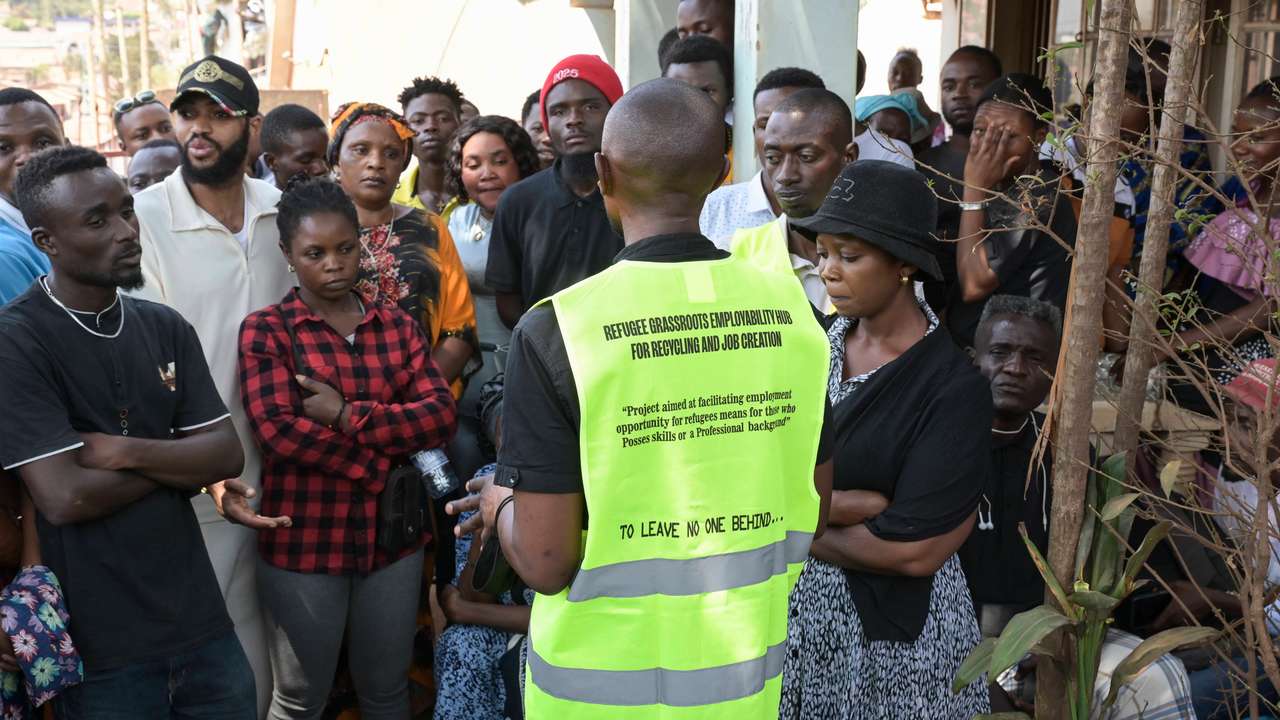
Uganda is Africa’s leading refugee-hosting nation and the world’s second-largest refugee host, with close to two million displaced people from Somalia, Eritrea, Democratic Republic of Congo, Burundi, Ethiopia, South Sudan, Rwanda and Sudan. The country’s open-door policy offers refugees settlement, allowing them access to land and essential services such as healthcare and education.
This stance has been widely hailed among the most progressive, amidst growing international backlash over immigration.
However, the recent aid cuts threaten to undo the policy’s gains by hampering humanitarian efforts, as organisations grapple with funding deficiencies that have made the provision of services significantly difficult. A report reveals that the International Rescue Committee, which provides comprehensive humanitarian relief and development support to refugees, has suspended healthcare programs in eleven settlements, including Bidibidi, Kiryandongo, Palabek and Rhino Camp, risking the lives of over 735,000 people, especially women and children who are more vulnerable.
“The termination of key nutrition and maternal health programs has removed a critical safety net, increasing the risk of maternal and neonatal deaths,” cautions Elijah Okeyo, IRC’s Country Director. He acknowledges the reduction in immunisation, which he warns could cause a spike in preventable diseases such as measles and weaken their ability to respond to emergencies.
The situation isn’t too different for other players. The United Nations High Commissioner for Refugees has indicated a shortfall of approximately €6.5 million, affecting over 90% of their health funding budget. Consequently, the number of UNHCR-funded healthcare staff has drastically declined, which has lowered the technical capacity of their health centres established in different refugee settlements in Uganda. The impact is visible, with the organisation already reporting tens of preventable deaths, highlighting the need for increased funding in critical sectors, including psychosocial support.
Finn Church Aid, which supports about 127,000 primary school and 19,000 secondary school learners under its education emergencies program, cautions that dwindling aid risks exacerbating infrastructure and logistical gaps, thus fuelling school dropout rates and compromising child protection.
“Both national governments and international donors must prioritise education in emergencies,” urges FCA, emphasising the need for sustainable commitments in order to build resilience.
Nutrition has not been spared either, as the World Food Program has reduced food rations allocated to refugee homesteads in Uganda by 40%. This exposes a population of close to a million to malnutrition, with prevalence rates exceeding 15% in 2025, according to WFP.
The pressure of shrinking budgets has compelled Uganda to consider mitigating measures. In 2025, the government ceased granting refugee status to people from Somalia, Eritrea and Ethiopia, signalling a shift in the country’s refugee policy. The decision, according to the Minister for Relief, Disaster Preparedness and Refugees, Hilary Onek, is influenced by the drop in funding, from approximately $240 million to $100 million, despite the ever-surging refugee inflows. This situation restricts access to protection, exposing those displaced from the affected countries to potential harm.
These challenges underscore the need for reforms that strengthen refugee response, particularly as Uganda transitions from a humanitarian approach towards development financing, where local governments are empowered to provide social services as opposed to centralised management. For this to bear fruit, the government must complement humanitarian aid with local resource mobilisation. Uganda must also strengthen local government efficiency and its systems of accountability in order to prevent a recurrence of the 2018 corruption scandal that eroded donor trust and triggered aid cuts.
Editor’s note: Correction made in the opening paragraph. The correct term is “settlement” and not “resettlement”.
The opinions and thoughts expressed in this article reflect only the author's views.
