An ancient bull racing tradition returns to Indonesia
Key Takeaways
- Pacu Jawi allows farmers to showcase bulls, with top performers often gaining higher market value.
- The festival is held after the rice harvest and features bulls running through flooded paddy fields.
- Organisers say the event helps strengthen community ties and preserve Minangkabau heritage.
West Sumatra harvest festival helps farmers showcase livestock while preserving local traditions
For many farmers in West Sumatra, Pacu Jawi is not only a cultural celebration but also an opportunity to increase the value of their livestock.
The traditional festival returned to Tanah Datar on Saturday, with farmers guiding pairs of bulls through flooded rice fields in front of spectators and judges.
Footage showed jockeys balancing on wooden planks between two charging bulls as mud sprayed across the paddy fields.
Unlike conventional races, Pacu Jawi is not decided by which bull reaches the finish line first. Animals run individually and are judged on their speed and ability to maintain a straight path.
RECOMMENDED FOR YOU
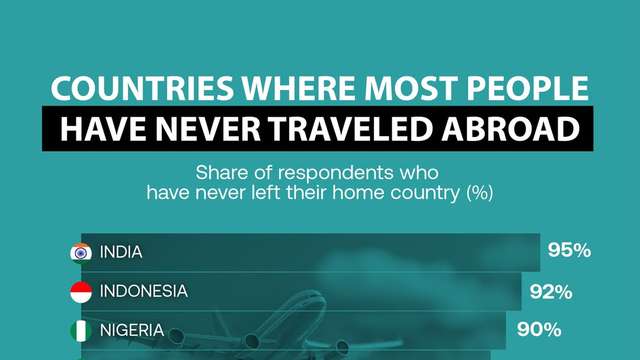
Most Indians have never travelled abroad, Pew Research data shows
Strong performances can significantly increase a bull's market value, making the event important for local farmers as well as the wider community.
Local villager Datuk Bahar said the festival also plays a role in preserving cultural traditions and strengthening social ties.
"We encourage both the youth and the elders to work together to keep this tradition alive. The support from elders will help ensure its continuation," Bahar said.
He explained that the event serves several community purposes.
"First, fostering community ties. Second, building the region - such as here in Tanah Datar - for agricultural irrigation; and finally, preserving the authentic Minangkabau culture here in West Sumatra."
Held after the rice harvest, the festival brings together residents from across the region and remains one of the most recognised traditions of the Minangkabau people.
For farmers, it is also a chance to present their best bulls to potential buyers while taking part in a centuries-old cultural event.
This story is written and edited by the Global South World team, you can contact us here.