Animal rights group welcomes Indonesia’s ban on elephant riding
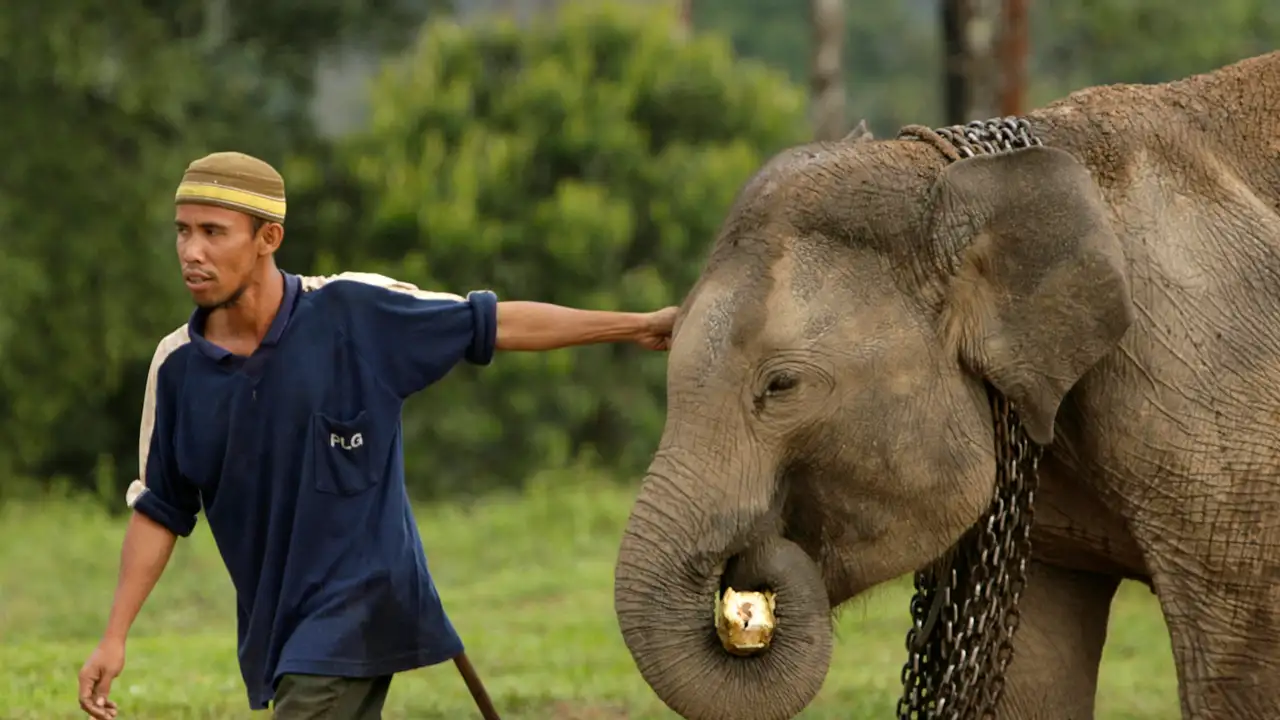
Animal welfare campaigners have welcomed Indonesia’s decision to end elephant riding nationwide, describing it as a major step towards more humane wildlife tourism and stronger protections for captive elephants.
The ban follows a binding government directive requiring all conservation and tourism facilities to stop elephant riding and move towards observation-based experiences.
The policy was formalised late last year through Circular Letter No. 6 of 2025, issued by the Ministry of Forestry’s Directorate General of Natural Resources and Ecosystem Conservation.
Facilities that fail to comply face the risk of having their operating permits revoked, according to the Bali Natural Resources Conservation Agency, which has been monitoring enforcement.
Mason Elephant Park in Bali, one of the last venues still offering elephant rides, halted the activity on January 25 after receiving official warnings and has begun transitioning to alternative tourism activities.
RECOMMENDED FOR YOU

‘Who will take responsibility?’ - October 7 families confront Netanyahu on Israel election day
World Animal Protection said the move marked a turning point for captive elephants in Indonesia.
Suzanne Milthorpe, head of campaigns for World Animal Protection ANZ, described the move as a “world-leading step to safeguarding the dignity of wild animals."
She said the decision sent “a strong signal to the wider tourism industry that we're entering a new chapter of more responsible wildlife tourism,” adding that it represented “a wonderful win for elephants.”
Elephant riding, the group noted, is widely recognised by animal welfare experts as harmful, often involving painful training methods, restrictions on natural behaviour and long-term physical and psychological damage.
Ending the practice, it added, removes the need for such treatment and allows elephants to spend more time socialising, grazing and bathing.
Milthorpe said the ban followed “years of tireless advocacy and on-the-ground engagement,” including support from more than 10,000 Indonesians, Australians and New Zealanders who signed the group’s petition calling on Mason Elephant Park to end elephant riding.
World Animal Protection said the directive aligns Indonesia with a growing global expectation that tourism should be responsible and humane, with wildlife encounters focused on education and conservation rather than direct contact.
The organisation said the decision would help travellers make clearer ethical choices and urged tourists to avoid venues that exploit animals.
RECOMMENDED FOR YOU

‘Politics is not a show’ - Delcy Rodriguez slams Maria Corina Machado's return
Although it welcomed the ban, the group said the move should form part of a broader regional push to end other forms of cruel wildlife entertainment, and called on governments and industry leaders elsewhere to follow Indonesia’s example.
This story is written and edited by the Global South World team, you can contact us here.