Anti-corruption fight in Asia ‘stalling,’ says CPI report
Corruption remains a persistent challenge across Asia, with stark contrasts between top performers and countries grappling with weak institutions and shrinking civic space, according to Transparency International’s 2025 Corruption Perceptions Index (CPI).
In Asia Pacific, the regional average stood at 45 out of 100, suggesting that perceived public-sector corruption has remained largely stagnant over the past decade. Twenty-one of 31 countries scored below the global average of 42.
These included India (39), Indonesia (34) and Bangladesh (24). Singapore led the region with 84 points, ranking third globally, followed by New Zealand (81) and Australia (76). Bhutan (71) and Brunei (63) were also among the stronger performers.
“In many countries across Asia Pacific, good governance is being undermined by weak law enforcement, unaccountable leadership and opacity in political funding,” said Ilham Mohamed, adviser for Asia Pacific at Transparency International.
“With young people demanding better, leaders must act now to curb corruption and strengthen democracy. Meaningful reforms can rebuild public trust and show those in power are finally listening,” Mohamed added.
RECOMMENDED FOR YOU
Fertilizer shipments through Strait of Hormuz fall to zero as food security fears grow
At the lower end, Afghanistan (16), Myanmar (16) and North Korea (15) remained among the world’s most corrupt in perception terms, reflecting fragile institutions, opaque governance and limited democratic checks.
Corruption more prevalent in Central Asia
In Central Asia, scores were generally weaker, underscoring concerns about repression and limited oversight.
Kazakhstan scored 38, Uzbekistan 31 and Kyrgyzstan 26. Tajikistan (19) and Turkmenistan (17) were among the lowest in the broader Europe and Central Asia grouping, reflecting entrenched corruption risks and restricted civic space.
Transparency International said weak law enforcement, concentrated political power and pressure on civil society continue to undermine anti-corruption efforts in parts of Central Asia, while rushed or poorly implemented reforms limit progress.
In Kazakhstan, concerns have mounted over the restructuring of anti-corruption bodies, while in Uzbekistan journalists and bloggers exposing graft still face harassment despite formal reforms.
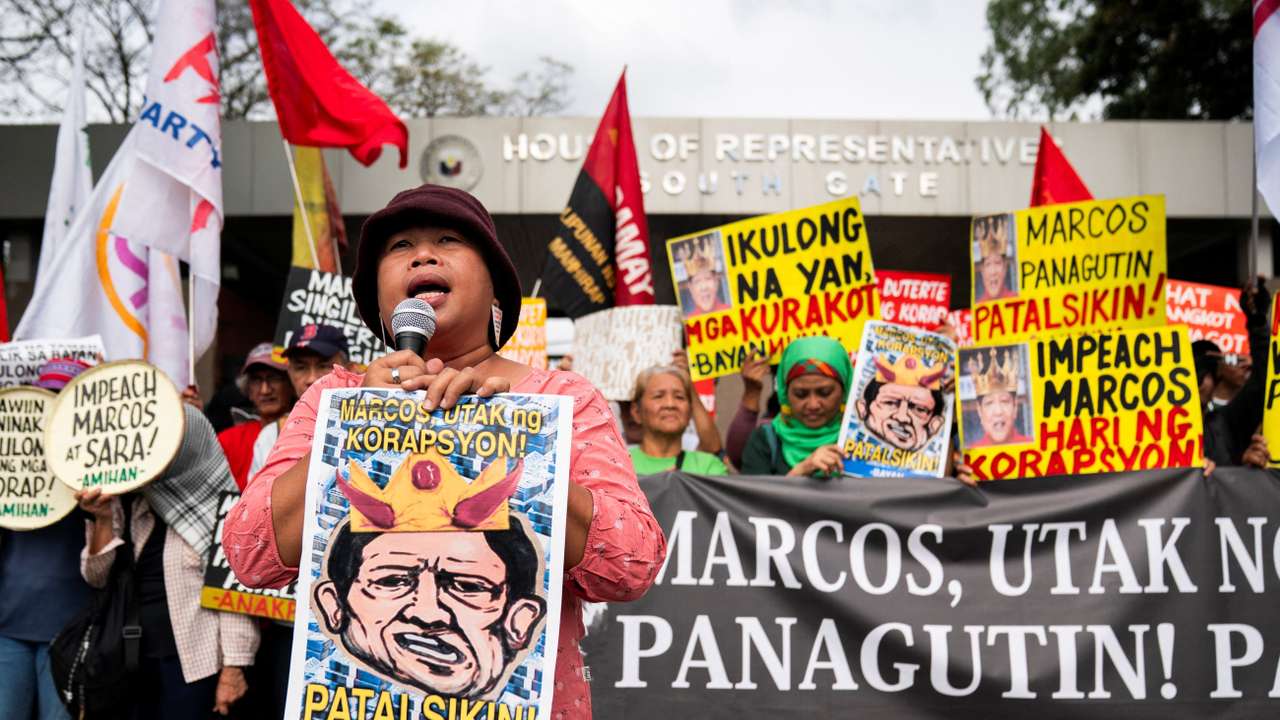
Public frustration has been evident across parts of Asia. Protests in the Philippines (32), Indonesia and Nepal (34) in 2025 were driven in part by allegations of misuse of public funds and broader concerns over accountability.
The CPI ranks 182 countries and territories on a scale from zero, considered highly corrupt, to 100, seen as very clean.
RECOMMENDED FOR YOU

Can Indonesia be Asia’s next EV powerhouse?
This story is written and edited by the Global South World team, you can contact us here.