As February 5 arrives, world faces unchecked nuclear risks
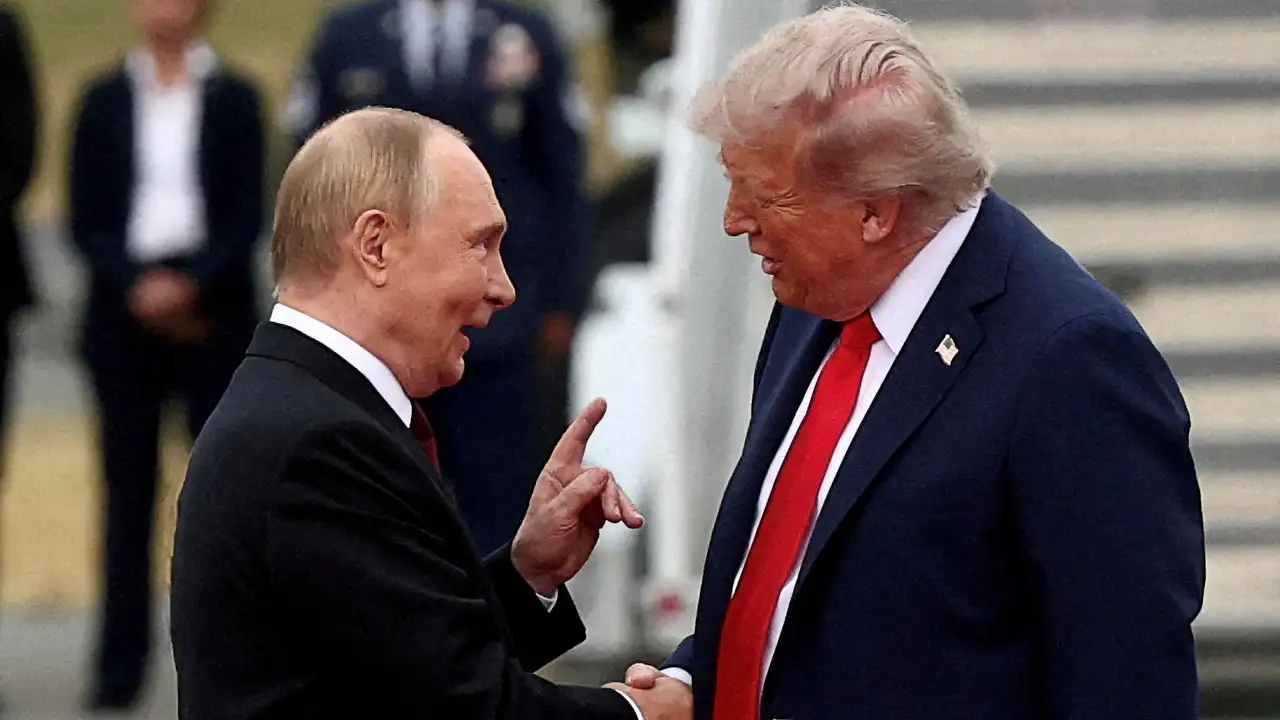
On February 5, the world will enter uncharted nuclear territory.
On that day, the landmark New START treaty between the United States and Russia will officially expire, removing the last formal limits on the two countries’ deployed strategic nuclear weapons.
Signed in 2010 and extended in 2021, New START capped the U.S. and Russian arsenals at 1,550 deployed nuclear warheads on 700 delivery systems, including intercontinental missiles, submarine-launched missiles, and heavy bombers.
Despite the treaty, both nations maintain far larger stockpiles: Russia is estimated to have 5,459 nuclear warheads, while the U.S. has around 5,177. New START only applied to deployed strategic weapons, leaving much of the arsenals unrestricted.
For the International Campaign to Abolish Nuclear Weapons (ICAN), the implication is clear: the treaty’s expiration could unleash a new wave of unchecked nuclear risk.
RECOMMENDED FOR YOU
Six countries account for three-quarters of Europe’s unicorn startups
“Without it, the risk of nuclear use will likely increase due to a potential renewed arms race,” the organization said.
Why are there no new agreements?
New START had already been under strain for years. Inspections were suspended during the COVID-19 pandemic, and rising tensions over the Russian invasion of Ukraine led the U.S. to declare Russia in non-compliance in 2023. Russia then suspended its participation, rejecting inspections and data exchanges.
The treaty could have been replaced or extended, but no agreement has been reached. Russia suggested a one-year continuation of the limits, and U.S. President Donald Trump expressed interest in a broader deal including China — but nothing has been finalized.
ICAN emphasized that all nuclear-armed states remain legally obligated to pursue disarmament under the Nuclear Nonproliferation Treaty (NPT). The next NPT Review Conference is scheduled for April to May 2026 in New York.
“At times of high tension among nations, disarmament measures are all the more important,” ICAN said. “The dire international security environment at present, rather than serving as an excuse for inaction, must spur urgent action on disarmament.”
ICAN warned that with the treaty gone, “it is in no country’s interest to increase global nuclear arsenals. All nuclear-armed states should adhere to and implement existing international agreements on nuclear disarmament.”
The expiration of New START leaves the world at a critical juncture. Without enforceable limits on the U.S. and Russia, the risk of miscalculation, escalation, and a renewed nuclear arms race is rising.
RECOMMENDED FOR YOU

Ugandan queen mother claims house arrest amid Tooro succession dispute
This story is written and edited by the Global South World team, you can contact us here.