As Iran war strains region, China moves to reopen routes and trade
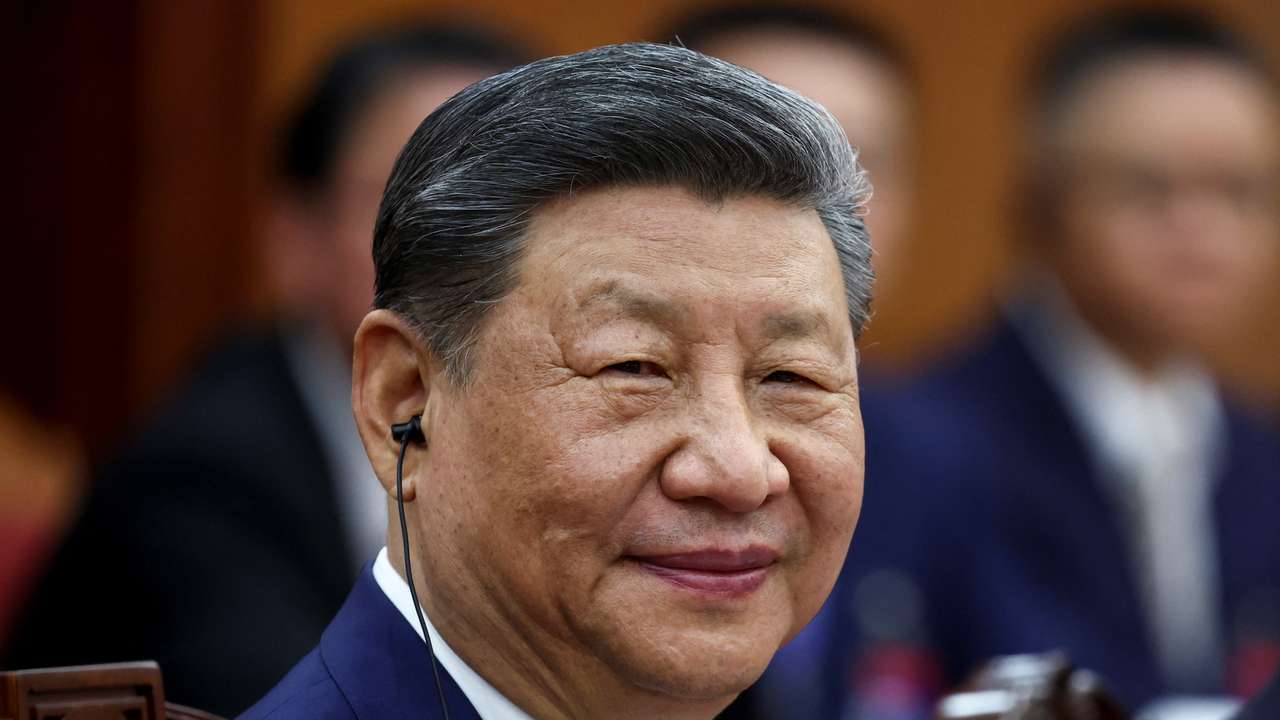
As the war in Iran deepens and Beijing keeps its public response measured, China has in recent weeks appeared more intent on projecting openness elsewhere: reopening transport links, widening trade facilitation and strengthening ties with neighbouring countries.
That outward push has been most visible in the gradual restoration of cross-border connectivity, particularly in aviation and rail, as China seeks to signal that commerce and people-to-people exchanges remain on track despite a more volatile international environment.
One of the clearest examples is Air China’s planned resumption of direct Beijing-Delhi flights from April 21, a symbolic step in restoring links between the world’s two most populous countries after more than four years of disruption caused by the pandemic and the deadly 2020 Galwan Valley clash.
Chinese embassy spokesperson Yu Jing cast the move as more than a commercial decision, describing it as a boost to “trade, tourism and trust” and a sign of broader people-to-people engagement under regional and multilateral frameworks.
A similar pattern can be seen on China’s border with North Korea. On March 13, a passenger train from China arrived in Pyongyang, marking the resumption of cross-border rail services after a six-year pause imposed during the Covid-19 pandemic.
RECOMMENDED FOR YOU

Uganda Roundup: Besigye detention talks, Karamoja hunger crisis and parliament funding cuts
Beijing is also preparing to restore another channel into North Korea. Air China plans to restart passenger flights between Beijing and Pyongyang on March 30, initially with a once-weekly service using Boeing 737-700 aircraft.
That would mark the return of one of North Korea’s few international air connections and add to signs that cross-border movement, suspended during years of strict pandemic controls, is being normalised in stages.
Alongside the reopening of transport routes, China is also trying to present itself as a more efficient and reliable trading partner.
This month, the General Administration of Customs launched a six-month campaign to facilitate cross-border trade, expanding a pilot programme to 45 cities from 25 last year and introducing 29 policy measures aimed at improving goods trade, services trade, logistics performance and smart port development.
The campaign, carried out with 24 other central government agencies, points to a broader effort to reduce friction at the border and help companies navigate an unsettled global environment.
While the Iran conflict threatens shipping routes, energy markets and wider regional stability, China’s most visible response has been less about taking centre stage diplomatically than about preserving economic continuity — reopening routes, smoothing trade channels and reinforcing links with countries on its periphery.
RECOMMENDED FOR YOU

Europe hit by wave of protests as rising living costs, housing crisis fuel unrest
This story is written and edited by the Global South World team, you can contact us here.