As Nobel Peace Prize slips, Trump watches his truce projects collapse

The Nobel Peace Prize was awarded yesterday to Venezuelan opposition figure María Corina Machado — a moment that also cast light on another political figure long eager for the honour: US President Donald Trump, who in the past weeks saw two of his much-touted peace initiatives collapse.
While Machado was recognised for her years of democratic advocacy, two high-profile agreements Trump brokered — between the Democratic Republic of Congo and Rwanda, and between Thailand and Cambodia — have unravelled almost as quickly as they were announced.
DR Congo and Rwanda
In Washington, Trump hosted a summit where the leaders of DR Congo and Rwanda signed what he hailed as a “historic” peace accord. But analysts quickly noted the document merely endorsed a June agreement that had already failed to halt the conflict.
Clashes were intensifying even ahead of the ceremony, with M23 rebels expanding their control in eastern DR Congo. Both Kinshasa and Kigali accused each other of violating ceasefire terms, and there was no public handshake between Presidents Félix Tshisekedi and Paul Kagame, whose tense relations underscored the deal’s fragility.
Within days, Rwandan Foreign Minister Olivier Nduhungirehe refused to commit to any troop withdrawal, insisting Rwanda had none in DR Congo. This, despite UN experts saying Rwandan forces were effectively directing M23 operations.
RECOMMENDED FOR YOU
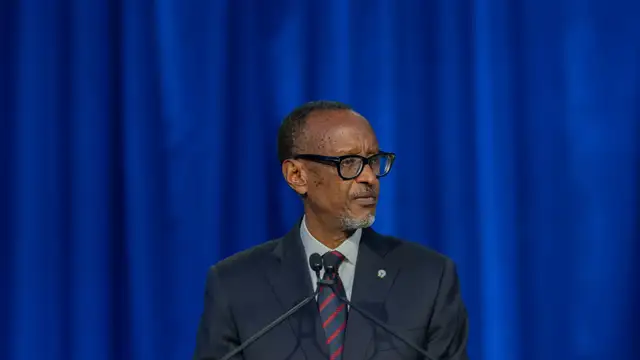
Rwanda Roundup: Kagame begins Oman visit, 7,188 pupils ordered to resit exams and youth leadership takes centre stage
On the ground, M23 seized major cities, artillery pounded eastern provinces, and residents fled into Burundi. Even as Trump praised the summit as “a great day,” rebel advances continued, and regional officials warned the deal’s collapse was a humiliation for Washington.
Thailand and Cambodia
A similar pattern emerged in Southeast Asia.
In July, Trump pushed Thailand and Cambodia into a border ceasefire. Bangkok agreed reluctantly; Phnom Penh openly welcomed US involvement.
But the truce unraveled within months. Clashes erupted after a Thai engineering team came under fire. Since then, Thai and Cambodian forces have traded artillery, rockets and air strikes along the border, prompting repeated evacuations of communities.
Thailand accused Cambodia of laying new landmines that maimed several soldiers, while refusing to release troops captured during the July clashes. Cambodia, meanwhile, portrayed itself as the aggrieved party and sought international support.
Domestic politics amplified tensions. Thailand’s military was given free rein to “finish the job,” while Cambodia’s leadership took actions that deepened mistrust, including leaking a sensitive phone call that toppled Thailand’s Shinawatra government.
With both sides showing no signs of stopping, it has become apparent that Trump-brokered ceasefire never addressed the root disputes.
Bangkok repeatedly said it was not ready for new diplomacy until Cambodia showed “sincerity,” leaving the agreement effectively dead.
RECOMMENDED FOR YOU
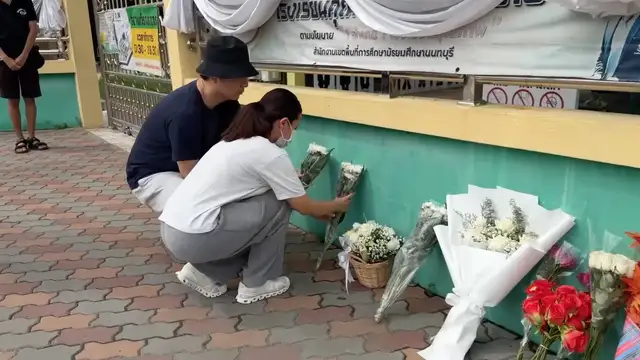
Thailand school shooting death toll rises to nine as mourners leave tributes
Taken together, the DR Congo–Rwanda and Thai-Cambodian cases show a consistent pattern: Trump secured highly publicised signing ceremonies, but the underlying conflicts continued almost immediately.
It also raised questions about whether Trump’s rushed deals ever had a genuine chance at peace.
This story is written and edited by the Global South World team, you can contact us here.