As Senegal faces scrutiny, Africa’s debt transparency problem is becoming harder to ignore
Key Takeaways
Senegal is under renewed scrutiny after undisclosed €650 million financing deals surfaced, adding to IMF-backed findings that the country significantly underreported its debt and fiscal deficits between 2019 and 2023.
The case reflects a broader African pattern in which weak transparency, hidden liabilities, and complex borrowing structures have obscured true debt levels and deepened financial risks.
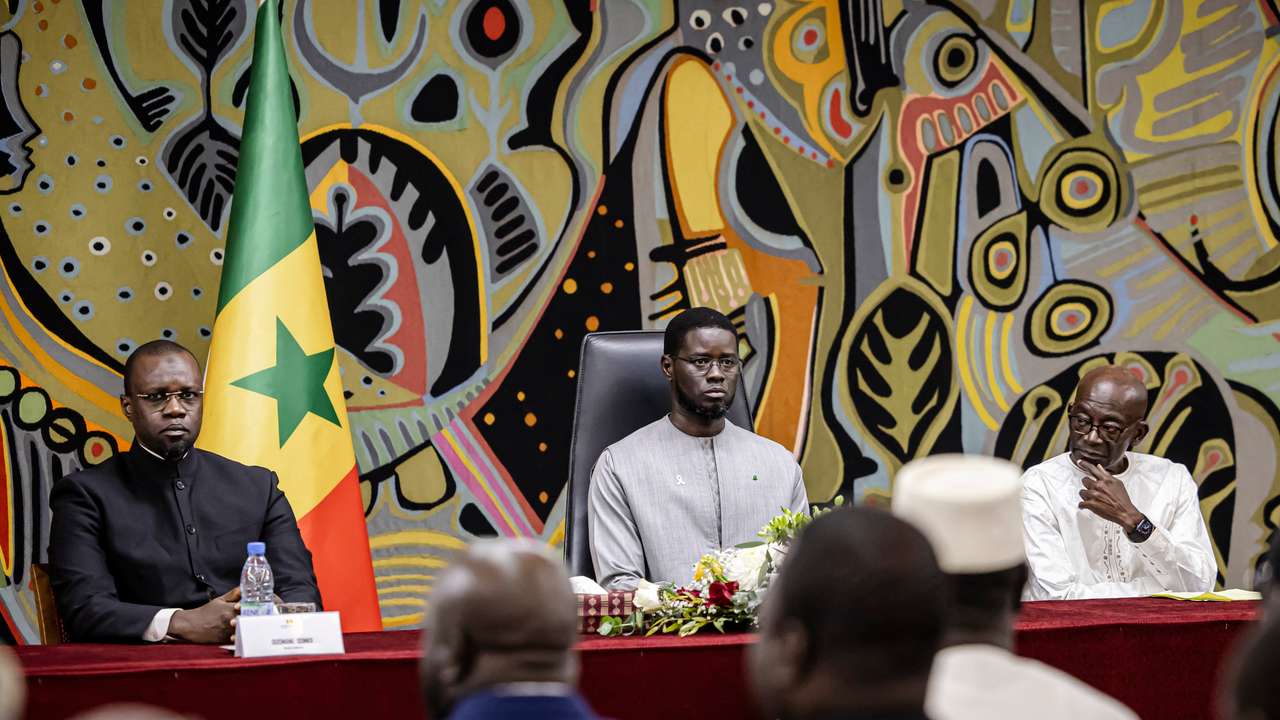
Senegal is facing renewed scrutiny over public debt after reports that it arranged about €650 million through two financing operations that were not publicly disclosed at the time.
The government has defended the transactions, saying they were lawful and complied with the relevant transparency requirements.
The issue has drawn attention because it comes after the IMF said an audit by Senegal’s Court of Auditors found “significant underreporting” of fiscal deficits and public debt between 2019 and 2023.
According to the IMF, the average fiscal deficit over that period was revised upward by 5.6 percentage points of GDP, while central government debt at the end of 2023 was revised from 74.4% to 99.7% of GDP. The Fund said the revision reflected previously undisclosed liabilities, including hidden loans equal to 25.3 percentage points of GDP.
Those findings became central to Senegal’s discussions with the IMF after its earlier $1.8 billion programme was derailed.
RECOMMENDED FOR YOU
Six countries account for three-quarters of Europe’s unicorn startups
What is established on the public record is therefore twofold: Senegal’s debt and deficit figures for 2019-2023 were officially revised after an audit, and fresh questions have since arisen over the disclosure of newer financing operations.
What has not been officially established in the same way is that the more recent €650 million transactions are identical in nature to the historical hidden liabilities identified by the audit.
Senegal fits a broader African pattern
Senegal’s case fits into a broader African pattern in which debt distress has been worsened not only by the scale of borrowing, but by weak disclosure, delayed reporting, off-balance-sheet obligations and borrowing through state-owned entities. Across these cases, the central issue has often been whether official debt records fully captured the state’s true obligations at the time they were incurred.
Mozambique: the clearest hidden debt scandal
Mozambique remains the clearest documented example of hidden sovereign borrowing in Africa. The World Bank says the crisis erupted in 2016 after the discovery of previously undisclosed debts linked to three state-owned companies. Those companies contracted more than $2 billion in debt in 2013 and 2014, backed by government guarantees issued without parliamentary approval. The Bank said about $1.3 billion of that debt remained undisclosed until 2016.
The consequences in Mozambique were severe and immediate. Donor confidence collapsed, external support was suspended, and the country entered a fiscal and debt crisis that became one of the continent’s most prominent debt scandals. Later legal proceedings reinforced the scale of the case. In 2024, London High Court rulings and legal summaries said Mozambique was entitled to about $825 million from Emirati-Lebanese multinational shipbuilding group Privinvest and related parties, plus an indemnity for future liabilities estimated at about $1.5 billion in litigation tied to the $2 billion borrowing scheme.
Republic of Congo: oil-backed debt and incomplete reporting
A joint World Bank-IMF debt sustainability analysis said Congo had weaknesses in public debt management and claims reporting, highlighted by the disclosure in June 2017 of oil-backed loans contracted between 2014 and 2015.
The analysis said the debt stock included oil-backed debt contracted by the state oil company Société Nationale des Pétroles du Congo (SNPC) and guaranteed by the central government. It also said some liabilities, including debt from other state-owned enterprises and non-guaranteed SNPC debt, were not included because information was limited.
Congo’s case showed how borrowing routed through a state-owned oil company and backed by future oil revenues could complicate the visibility of public obligations. IMF and World Bank documents linked those reporting weaknesses to the country’s debt distress and restructuring challenges.
RECOMMENDED FOR YOU

Malaria surge in Sudan’s Khartoum as millions return home
Zambia: incomplete disclosure of creditor exposure
In 2021, Reuters, citing research by the China Africa Research Initiative, reported that Zambia’s debt to Chinese public and private lenders was about $6.6 billion, nearly double the amount previously disclosed by the former government.
The same reporting said Chinese banks and funds had disbursed $7.77 billion in loans to Zambia and its state-owned enterprises from 2000 to August 2021, of which at least $1.2 billion had been repaid. The researchers said this did not change Zambia’s total debt load, but showed that the previous authorities had not been transparent about the heavy weight of Chinese financiers among external creditors.
That distinction matters because not all transparency failures take the form of secret loans missing entirely from headline debt statistics. In Zambia, the issue was also the composition of the debt, the role of state-owned enterprises, and the scale of exposure to one creditor group, all of which became more important once the country entered default and restructuring talks required a clearer picture of the debt stock.
Debt transparency concerns are widening
The wider context is that international institutions have warned that public debt is becoming harder to track as governments use more complex financing arrangements.
The World Bank said in its 2025 Radical Debt Transparency report that while the share of low-income countries publishing some debt data has risen from below 60% in 2020 to above 75%, only 25% disclose loan-level information on newly contracted debt.
They also said that complex financing arrangements have complicated debt reporting, indicating that the issue is not only whether debt data is published, but also how much detail is made public.
This story is written and edited by the Global South World team, you can contact us here.
