ASEAN meetings go virtual as Middle East war rattles Southeast Asia
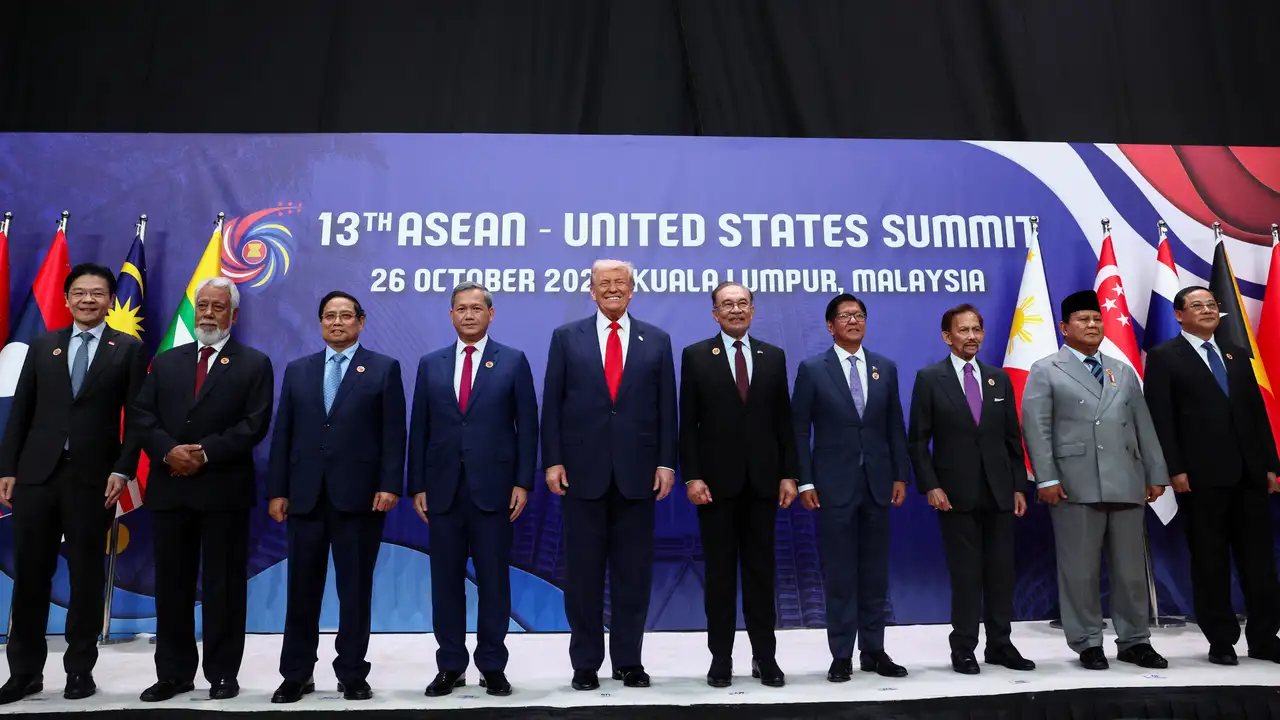
The Philippines will move around 650 preparatory meetings for the Association of Southeast Asian Nations (ASEAN) online, scaling down its hosting duties as the war in the Middle East strains regional economies and energy supplies.
This decision follows President Ferdinand Marcos Jr.’s directive to recalibrate the country’s hosting of ASEAN in 2026, prioritising cost savings and crisis response over ceremonial activities.
Executive Secretary Ralph Recto said all meetings — from working groups to ministerial sessions — would be conducted virtually, a shift affecting hundreds of engagements typically held in person throughout the year.
This move comes as Southeast Asia grapples with the economic fallout of the United States-Israel war on Iran, which has disrupted global energy markets and pushed oil prices higher.
In a report, the Asian Development Bank (ADB) warned that developing economies in the region could lose more than two percentage points of growth if the conflict drags on, with a prolonged war also fuelling inflation.
RECOMMENDED FOR YOU
Six countries account for three-quarters of Europe’s unicorn startups
The lender said the region’s exposure stems largely from its dependence on imported energy and global trade flows rather than direct involvement in the conflict. In a worst-case scenario of a year-long war, oil prices could surge past $155 per barrel, compounding inflationary pressures and straining public finances across the region.
Recto said the scaled-down format would allow Manila to “save on expenses and focus on the most important,” while still aiming for “substantial discussions and productive results” despite the crisis.
The Philippines is this year’s ASEAN chair, a role that typically involves hosting a full calendar of in-person meetings across multiple levels of government. Instead, only the two leaders’ summits — scheduled for May in Cebu and November in Manila — will proceed physically, though even these are expected to be pared down.
Marcos has already said the May summit will adopt a “bare-bones” format focused on urgent regional concerns, including energy security, food supply disruptions and the welfare of migrant workers.
Officials said the decision to shift meetings online is partly aimed at redirecting funds to cushion the domestic impact of rising oil prices, particularly on vulnerable sectors.
The Department of Foreign Affairs has been tasked with briefing ASEAN counterparts on the changes and adjusting expected outcomes accordingly, while host agencies are being instructed to coordinate the transition to virtual formats.
The shift also reflects broader pressures across ASEAN economies, many of which rely heavily on energy imports from the Gulf and have been hit by supply disruptions and price volatility since the conflict began. Regional officials have warned of knock-on effects on inflation, trade and employment.
Still, Manila maintained that the bloc’s core objectives would remain intact.
RECOMMENDED FOR YOU

Madagascar Roundup: Child food poverty hits 77%, growth rebound forecast for 2027 and northern risk mapping begins
“A stripped-down ASEAN [programme] will still be able to achieve its goal of strengthening regional unity,” Recto said, adding that “pomp and pageantry” would give way to “problem-solving” as the region confronts mounting global challenges.
This story is written and edited by the Global South World team, you can contact us here.