Asian faith leaders warn of 'catastrophic' fallout from Iran War
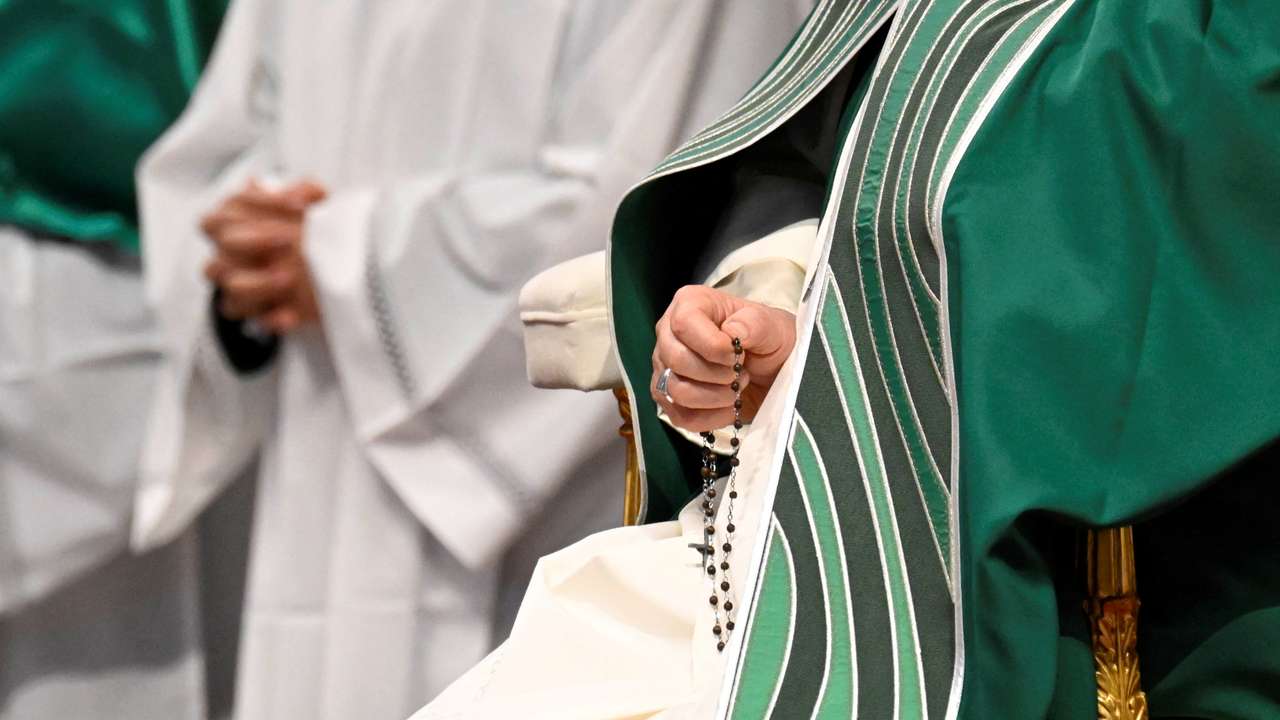
Religious leaders and Catholic networks across Asia have issued urgent calls for an immediate halt to escalating violence in the Middle East, warning that continued military confrontation involving the United States, Israel and Iran risks catastrophic humanitarian and geopolitical consequences.
In a statement, the Federation of Asian Bishops’ Conferences (FABC), representing Catholic bishops across the region, called for an “immediate cessation of hostilities” and insisted that “stability cannot arise from fear, nor can justice be secured through violence.”
Meeting in Bangkok, the bishops said only “sincere, responsible, and sustained dialogue” can open a path to lasting peace.
In a separate statement, the Asia-Pacific chapter of the International Catholic Movement for Intellectual and Cultural Affairs (ICMICA) condemned actions that “escalate violence, inflame regional tensions, and endanger global peace,” and warned against the normalization of “preventive strikes” and unilateral military action.
Together, the statements mark one of the most coordinated regional faith-based responses in Asia since the latest surge in Middle East hostilities.
RECOMMENDED FOR YOU

New Asia Forum targets $30 billion in investment at inaugural Bali gathering
The FABC — whose leadership includes Cardinal Filipe Neri Ferrao, Cardinal Pablo Virgilio David and Cardinal Isao Kikuchi — stressed that war disproportionately harms the poor, displaced communities, children and future generations.
The bishops urged governments to restore diplomacy as the primary instrument of conflict resolution and called on religious leaders to demonstrate interfaith solidarity in defense of human life.
The ICMICA coalition, composed of Catholic professional and theological groups from South Korea, Indonesia, Malaysia, the Philippines, India, Sri Lanka and Australia, took a more pointed stance on geopolitics.
While acknowledging the “complexity of security concerns faced by all parties,” the network argued that durable security cannot be achieved through military escalation but must rest on negotiated solutions consistent with international law and the United Nations Charter.
The coalition also expressed solidarity with civilians across Iran and the broader region, particularly vulnerable groups such as women, migrant workers and religious minorities. It said any political transformation in Iran must arise from “the agency and collective will of the people themselves — not from external military intervention.”
Both groups grounded their appeals in Asia’s historical memory of war, colonialism and geopolitical rivalry.
“War is a defeat for humanity,” the ICMICA statement said.
RECOMMENDED FOR YOU

Brazil's presidential election exposes challenge of ensuring equal treatment on Big Tech platforms: Opinion
This story is written and edited by the Global South World team, you can contact us here.