Australia tightens checks on Indian students after fake degree bust
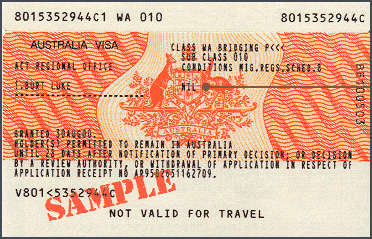
Australia has tightened scrutiny of student visa applications from India after concerns over fraudulent academic documents escalated, following the exposure of a large network of fake degrees in the country.
Indian students have been moved into Australia’s highest student visa risk category, alongside applicants from Nepal, Bangladesh and Bhutan, in an out-of-cycle review by Australian authorities.
The reclassification was attributed to what officials described as “emerging integrity risks.”
While Australia has not publicly cited a specific trigger, Indian media said the move followed international reporting on “fake degree busts” in India that raised red flags about the authenticity of academic credentials used in overseas applications.
India is one of Australia’s most important international education markets, accounting for about 140,000 of the country’s roughly 650,000 foreign students. Together, the four countries now in the highest risk tier represent nearly a third of enrolments in 2025.
RECOMMENDED FOR YOU
Six countries account for three-quarters of Europe’s unicorn startups
The assessment level change is expected to subject Indian applicants to closer checks, including stricter requirements for financial proof, English proficiency and evidence of genuine study intentions, according to Australian education analysts.
Fake diploma racket
The decision comes as police in India’s Kerala state dismantled a sprawling fake university certificate racket last month. Investigators said forged degrees from multiple universities were produced and distributed nationwide, with tens of thousands of counterfeit documents seized.
Australia’s Minister for International Education, Julian Hill, has previously warned that Australia is becoming the “least worst” option among major study destinations as countries such as the United States, Britain and Canada tighten their own student visa rules.
Education officials say that shift has increased pressure on Australia’s visa system, prompting tougher risk filtering and a renewed focus on documentary evidence to protect the integrity of the programme.
This story is written and edited by the Global South World team, you can contact us here.