Beauty from ashes: Tourist landscapes created from volcanic eruption in Africa
Geology is fascinating, particularly because of how unique the earth’s physical structure, substance and history is. What is considered odd may really end up being a beautiful creation and one of such twists happens with volcanic activities in many parts of the world.
According to The Geological Society, a volcano is a rupture in the Earth’s crust which allows magma ash or gases to escape from beneath the surface of the Earth, forming lava.
It could be scary in the moment when it’s happening but the result is mind-blowing. From volcanic activity, some of the world’s most beautiful tourist sites were made.
In Africa, quite a number of these landscapes today serve as a place of beauty where people travel miles to have a glimpse of.
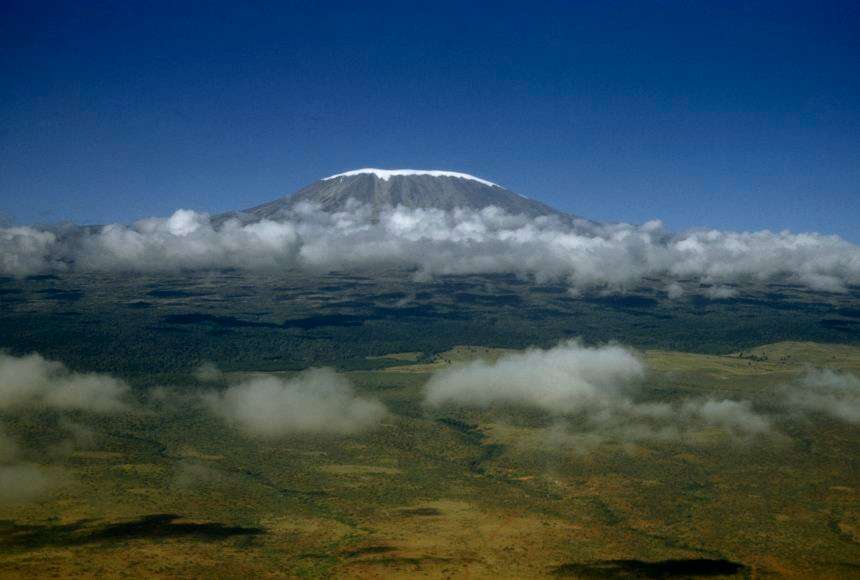
Mount Kilimanjaro
RECOMMENDED FOR YOU

Six countries account for three-quarters of Europe’s unicorn startups
It is the highest mountain in Africa at 5,895 m at its peak and comprises three separate volcanoes, Shira, Mawenzi and Kibo. It is one of the largest stratovolcanoes globally, formed by a series of layers of ash and lava laid above each other. It began forming millions of years ago when molten lava began to burst through fractures created by the lithosphere. Today, the spectacular landscape is acknowledged as one of UNESCO’s World Heritage sites. Kilimanjaro is known for its snow-capped summit.
Erta Ale
It is still very much alive, an active volcano even today. The Erta Ale is located in Ethiopia in the Danakil Depression in the north-eastern corner near Djibouti and Eritrea. Sometimes known as the “Gateway to Hell”, it is one of the volcanic activities created as a result of the shifting of the three tectonic plates in the Danakil Depression. Erta Ale has had seven volcanic eruption events within the past 125 years and has been erupting continuously since 1967, making it one of the longest-known historic eruptions. It is rarely visited but still serves as a tourist site where adventurous and daring tourists visit to see the rim of the smoking volcano and if lucky enough, the lava lake in full force.
Virunga National Park
It is another spot classified under UNESCO’s World Heritage Sites. The Virunga National Park is located in the east of the Democratic Republic of Congo in the centre of the Albertine Rift of the Great Rift Valley and covers an area of 790,000 hectares with a variety of wildlife and beautiful landscapes. Virunga Park has the Rwenzori and Virunga Mountains which contain active volcanoes. According to UNESCO, these volcanoes erupt at regular intervals every few years, creating a striking landscape surrounded by valleys.
Drakensberg Mountain
Drakensberg Mountain is also known as the “Dragon Mountains” in Afrikaans and is located in South Africa. As the highest mountain within the Southern African region, it is a popular hiking destination and a tourist site for many around the world. It is believed that the mountains are a result of volcanic eruptions in the area that resulted in lava but in modern times, continued erosion has exposed more of its underlying sediments.
Ngorongoro Crater
RECOMMENDED FOR YOU

Niger rolls out AES travel document as Sahel trio moves beyond ECOWAS
The Ngorongoro Crater located in Tanzania is the world’s largest caldera. It is located on the Eastern Great Rift Valley arm. The Ngorongoro crater is said to have been created millions of years ago after an active volcano cone collapsed inward after eruption. The area surrounding the crater also serves as a wildlife park with rich mineral volcanic soil and diverse animals. Ngorongoro crater is the largest unbroken caldera in the world. The crater, together with the Olmoti and Empakaai craters is part of the eastern Rift Valley, whose volcanism dates back to the late Mesozoic / early Tertiary periods and is famous for its geology, according to UNESCO. It became a UNESCO World Heritage Site in 1979.