Berlin summons Russian ambassador over increase in hybrid attacks
- #Asia
- #Pacific
- #Central
- #Eastern Europe
- #CIS Countries
- #Crime
- #Law
- #Justice
- #Conflicts
- #War
- #Peace
- #Defense
- #Diplomacy
- #Foreign Policy
- #East European Countries
- #Europe
- #Middle East and Africa
- #Emerging Market Countries
- #European Union
- #Euro Zone
- #Computer Crime
- #Hacking
- #Cybercrime
- #International Agencies
- #Treaty Groups
- #North Asia
- #North Atlantic Treaty Organization
- #government
- #Politics
- #Civil Unrest
- #Military Conflicts
- #Western Europe
- #Internet
- #World Wide Web
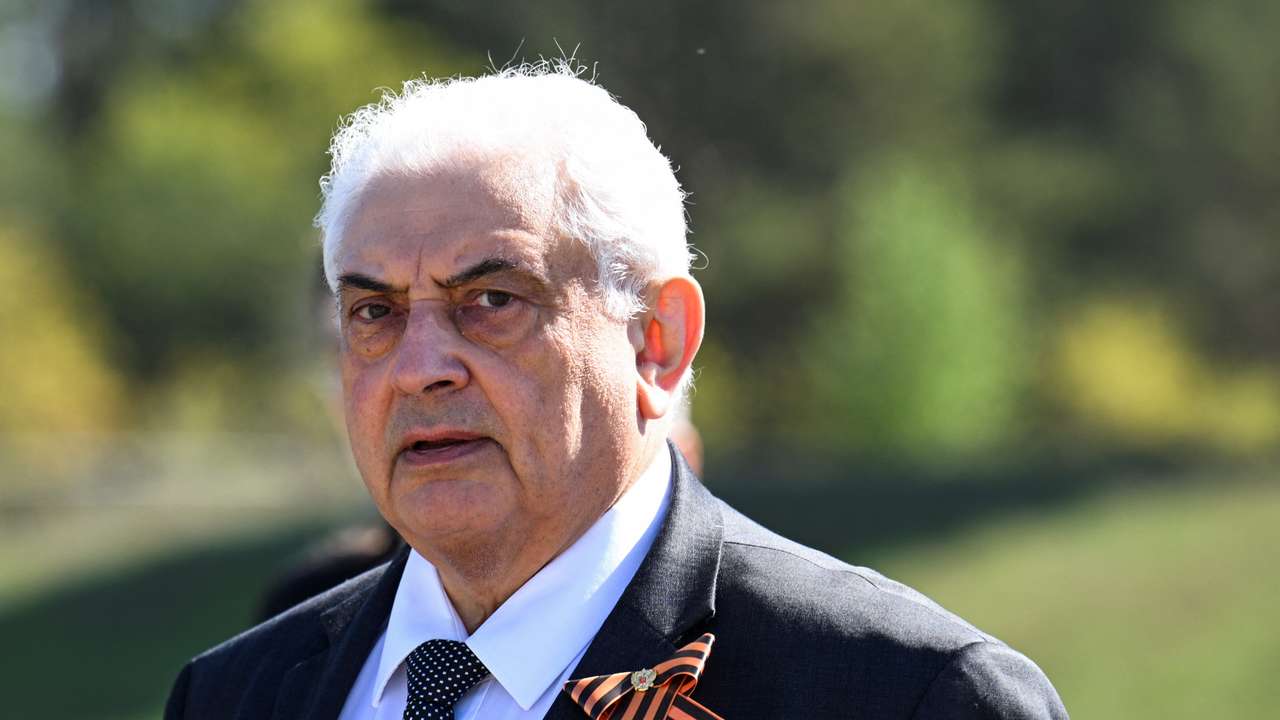
Berlin has summoned Russia's ambassador over what it said was a huge increase in threatening hybrid activities including disinformation campaigns, espionage, cyberattacks and attempted sabotage, a German foreign ministry spokesperson said on Friday.
"This morning we therefore summoned the Russian ambassador to the foreign office and made it clear that we are monitoring Russia's actions very closely and will take action against them," spokesperson Martin Giese said during a regular news conference.
The accusations come at a time of heightened concerns in Europe over suspected Russian hackers and spies since Moscow's invasion of Ukraine in 2022.
The Russian embassy did not immediately respond to a request for comment from Reuters. The Kremlin has previously said European allegations of a Russian sabotage or hybrid campaign are wholly unsubstantiated.
RECOMMENDED FOR YOU

Sanchez pledges to restore normality in Ceuta after mass migrant arrivals
A cyberattack against German air traffic control in August 2024 has now been attributed to the GRU-backed Russian hacker collective APT-28, also known as Fancy Bear, the spokesperson said.
He added that attempts to influence German elections earlier this year have been definitively linked to Storm-1516, a pro-Russian influence operation previously observed in the 2024 U.S. presidential election that was investigated by U.S. authorities.
"Our services' analysis shows that the campaign spreads artificially generated, pseudo-investigative research, deepfakes, image sequences, pseudo-journalistic websites, and fabricated witness statements on various platforms," the spokesperson said.
The German government has repeatedly accused Moscow of sweeping cyberattacks.
The spokesperson said further diplomatic and policy measures were to be decided by the government.
This article was produced by Reuters news agency. It has not been edited by Global South World.