Bolivia Roundup: Arce jailed, flooding crisis, dinosaur footprint record
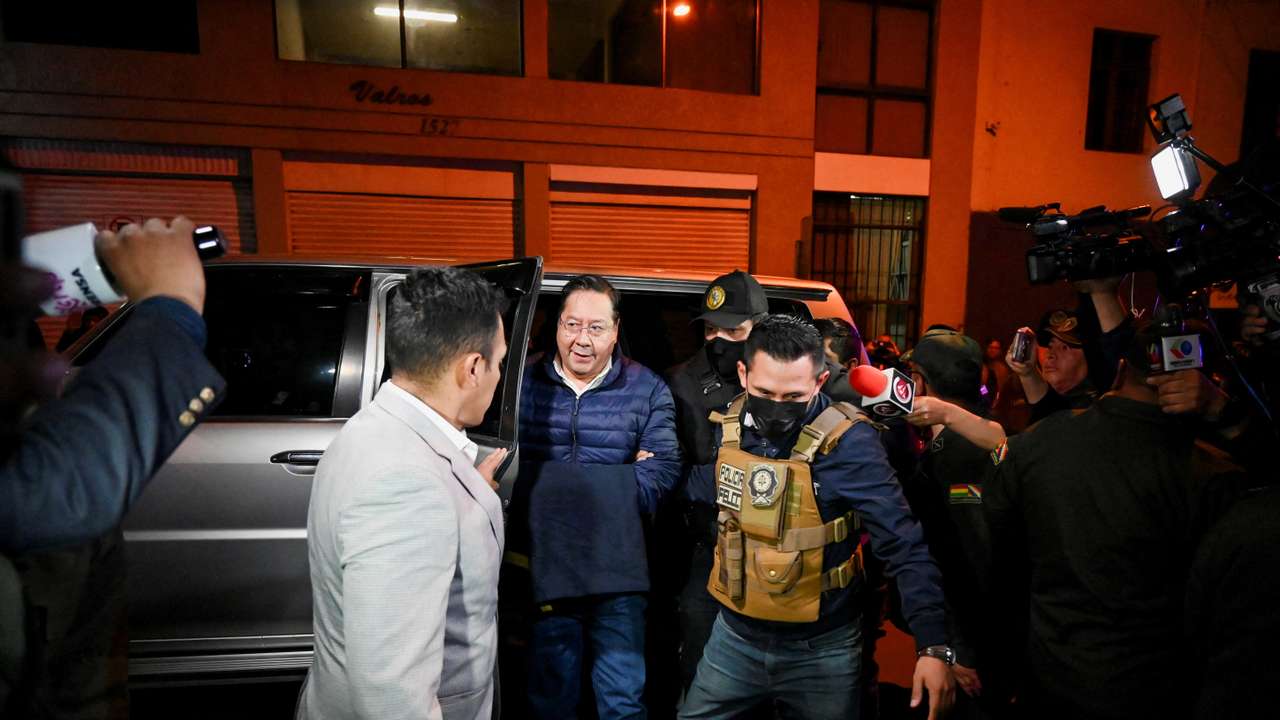
Former president Luis Arce begins five-month pre-trial detention
Former president Luis Arce was ordered into five months of preventive detention at San Pedro prison in La Paz on corruption charges linked to alleged irregularities in the management of the Indigenous Development Fund when he served as economy minister under Evo Morales. A judge cited risks of obstructing the investigation and flight, rejecting appeals for release despite arguments about his health and age. Arce has declared himself “absolutely innocent” and called the move politically motivated, while his legal team has already appealed the decision. Police and prison authorities say his security and rights are being respected, with special attention to his health and isolated accommodation.
Flooding in Santa Cruz leaves communities in urgent need
Severe rains and flooding in the Santa Cruz region have killed at least three people and affected around ten communities, according to Vice-President Edman Lara. He described the situation as critical and called for urgent national support to assist displaced families and restore basic services. Roads, homes and farmland have been damaged, escalating concerns about food security and access to clean water. Local authorities are coordinating with national bodies to reach isolated areas and distribute emergency aid.
Bolivia emerges as world centre for dinosaur footprint research
Bolivia has gained global scientific attention with the documentation of more than 16,600 dinosaur footprints at the Carreras Pampa site in Toro Toro National Park, a study published in PLOS One shows. These fossilised tracks, many attributed to theropod dinosaurs and featuring swim traces and tail drag marks, represent the largest known concentration of dinosaur footprints in the world, providing rare insight into behaviour and movement millions of years ago. Scientists say the varied footprints not only help reconstruct ancient ecosystems but also position Bolivia as a leading destination for paleontological research and geotourism.
Sweden shifts cooperation approach but will not close ties with Bolivia
Sweden’s ambassador to Bolivia stated that while Sweden will not withdraw from the country, it is changing its mode of bilateral cooperation to better reflect geopolitical shifts and development priorities. The new approach emphasises flexibility and aligning with global and regional conditions rather than cutting ties altogether. Bolivian authorities welcomed continued engagement, particularly in areas such as governance, human rights and sustainable development, even as both sides adapt cooperation frameworks.
RECOMMENDED FOR YOU
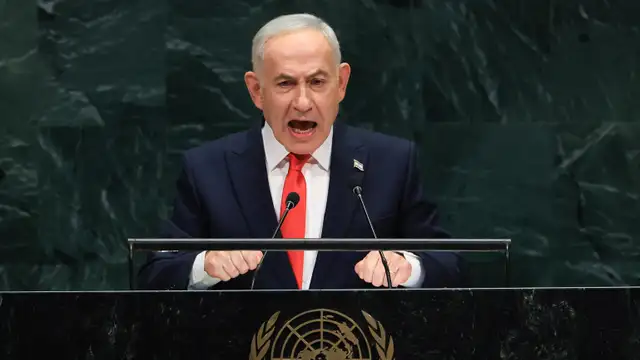
‘Iran could destroy us’ - Netanyahu warns of nuclear threat ahead of Israel election
FONPLATA announces $1 billion financing for Bolivia over next five years
Regional development bank FONPLATA announced plans to allocate US$1 billion in financing to Bolivia through 2030, signalling strong support for infrastructure, social and economic projects. The funding is expected to boost development priorities, including transport networks, water and sanitation, and urban resilience efforts. Bolivian officials said the commitment reflects confidence in the country’s economic strategy and could help stimulate growth amidst ongoing challenges such as climate impacts and institutional reforms.
This story is written and edited by the Global South World team, you can contact us here.