Can China help de-escalate after US-Israel strikes on Iran?
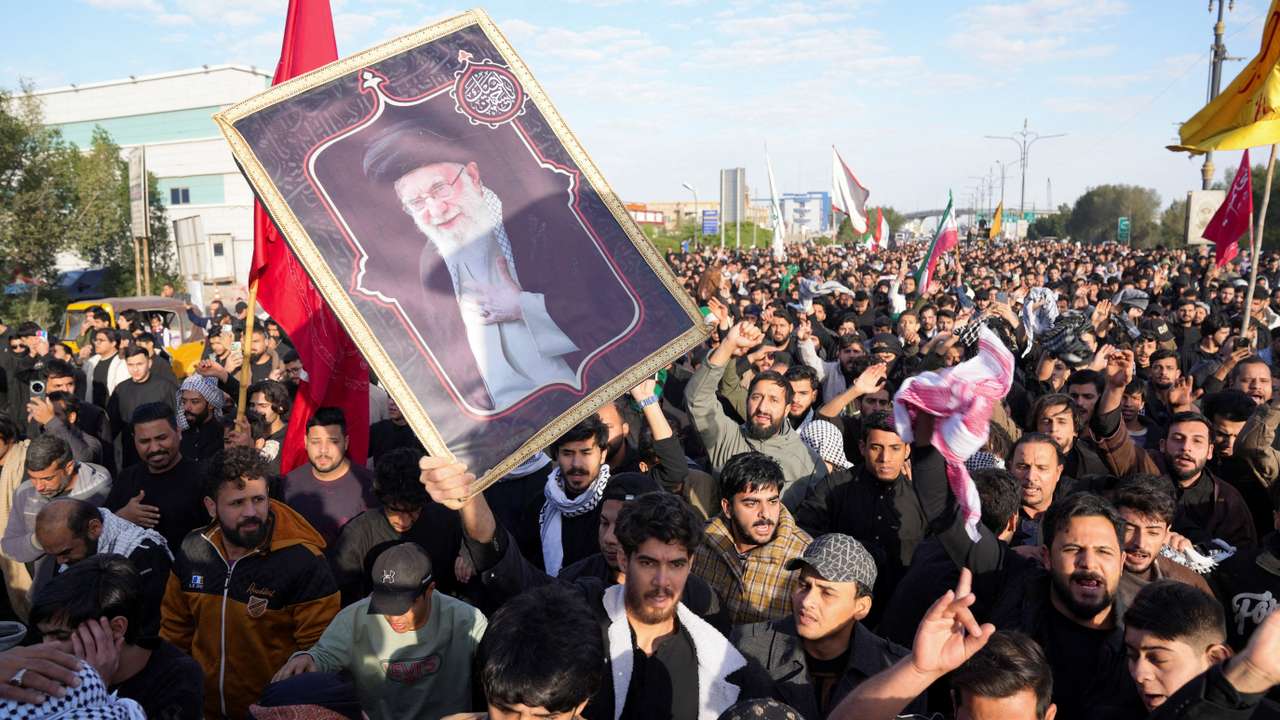
China has condemned the US-Israeli strikes on Iran and is urging an immediate halt to military action, as it has positioned itself as a voice for de-escalation in the crisis.
In a phone call with Russia’s Foreign Minister Sergei Lavrov, China’s Foreign Minister Wang Yi criticised the reported killing of Iran’s Supreme Leader Ayatollah Ali Khamenei, saying,“The blatant killing of the leader of a sovereign state and the incitement of regime change are unacceptable,” China’s official Xinhua news agency quoted.
Chinese foreign ministry statement said the attack was “a grave violation of Iran’s sovereignty and security” that “tramples on the purposes and principles of the UN Charter and basic norms in international relations.”
“China firmly opposes and strongly condemns it,” the statement added, urging “an immediate stop to the military operations” and warning against “any further escalation of the tense situation.”
Beijing’s strongest leverage is diplomatic; it is a permanent member of the UN Security Council and has joined other countries in calling for restraint and a return to negotiations, even as fighting spreads across multiple fronts.
RECOMMENDED FOR YOU

Honduras protesters denounce Asfura government and alleged US interference
But China’s reported ability to broker a quick off-ramp may be limited. While Beijing has built close ties with Tehran and has previously helped mediate major Middle East diplomacy, including the Saudi-Iran détente, it has far less influence over Israel and the United States, who are central to any ceasefire plan.
China also has clear economic reasons to push for calm, including protecting regional stability and energy flows. China has been Iran’s biggest export market since 2019 and its largest source of imports since 2014, but Iran still makes up less than 1% of China’s total global trade.
In 2025, China bought more than 80% of Iran’s seaborne oil exports, typically at a steep discount, and those purchases made up about 13.4% (roughly 13.5%) of China’s total oil imports by sea.
This story is written and edited by the Global South World team, you can contact us here.