Can gold save African economies? Inside the $1tn untapped reserve
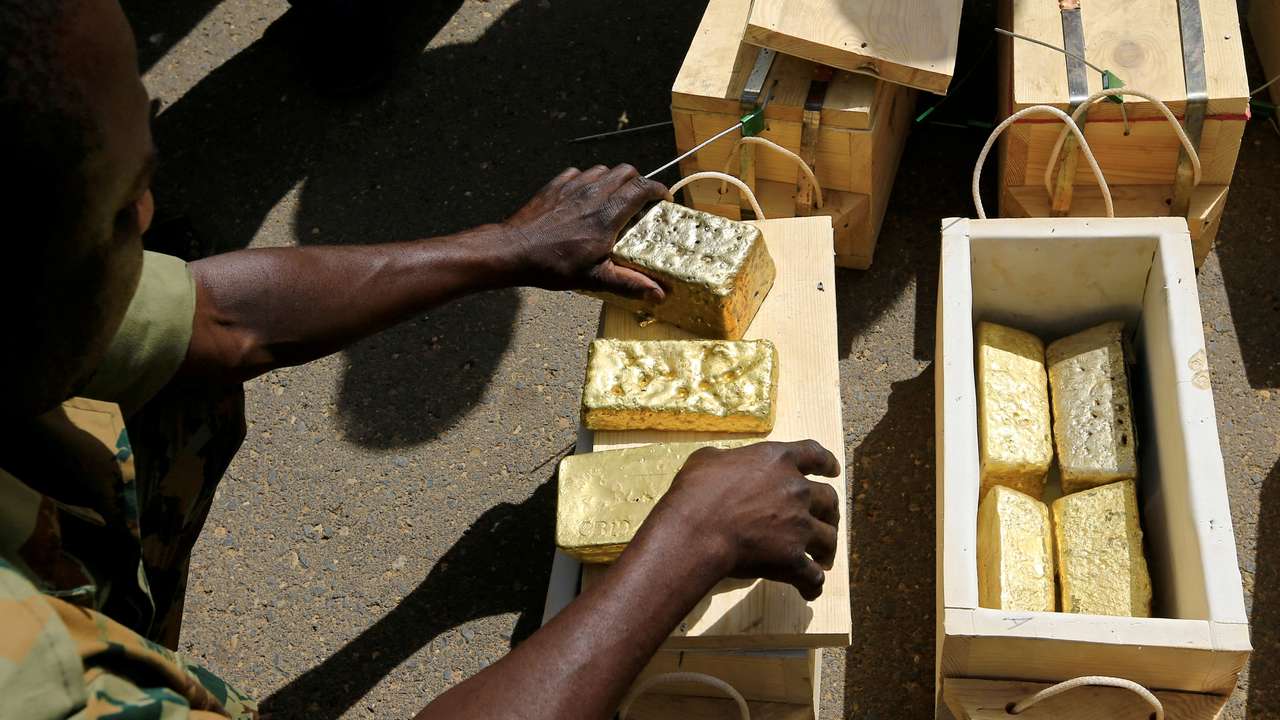
Africa is sitting on more than $1 trillion in untapped gold reserves, according to a new report by the Africa Finance Corporation (AFC), which estimates the continent holds over $5 trillion worth of gold at mine-site value.
At a time when central banks around the world are increasing gold holdings to hedge against inflation and reduce reliance on the US dollar, the AFC says Africa has a “uniquely realistic opportunity” to strengthen its economies.
“Unlike most minerals, gold combines deep liquidity, transparent pricing, and rapid monetisation,” the report notes, adding that this allows countries to convert domestic production directly into reserves instead of depending on “volatile external inflows.”
Despite its vast deposits, gold accounts for only about $70 billion, roughly 15%, of Africa’s total foreign exchange reserves. The AFC argues that stronger institutions, better oversight and more local refining could unlock greater benefits.
“The strategic value of Africa’s minerals lies in how they can be leveraged to deepen domestic value addition and support regional integration,” the report says.
RECOMMENDED FOR YOU

Senegal welcomes Youth Olympic flame ahead of Dakar 2026
Ghana is cited as an example. After establishing a Gold Board in 2025 to formalise artisanal production and reduce smuggling, the country has begun to rebuild its reserves, and its currency is beginning to stabilise.
The AFC concludes that “these dynamics are becoming increasingly relevant as central banks re-anchor reserves in gold,” offering Africa a potential pathway to stronger financial stability.
This story is written and edited by the Global South World team, you can contact us here.
