Congo's democracy at a crossroad: The challenges and hopes of Tshisekedi's presidency
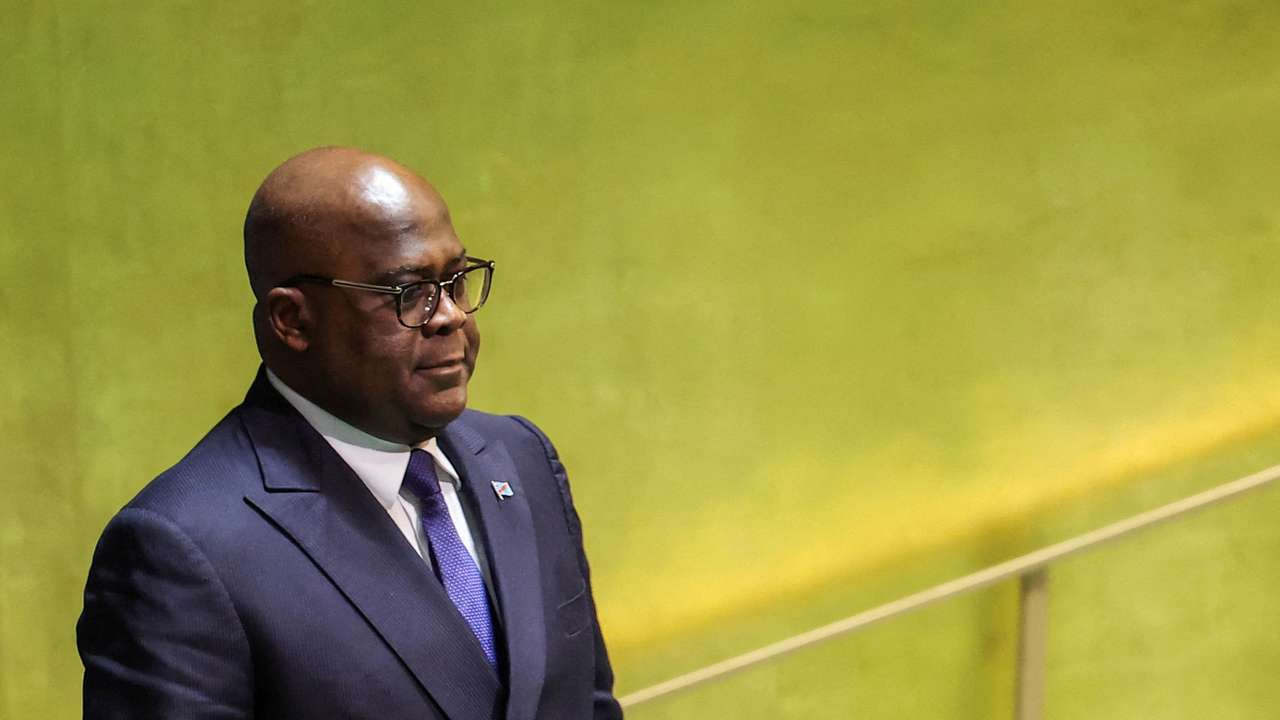
In 2018, Felix Tshisekedi assumed the presidency of the Democratic Republic of Congo, vowing to dismantle decades of political oppression and corruption that had hindered the nation's progress.
As the upcoming December 20 re-election draws near, critics, including international allies, rights groups, and adversaries, allege that Tshisekedi's government is stifling opposition voices, mirroring the actions of previous regimes he once protested against.
Recent events paint a worrisome picture. In Goma, anti-U.N. protesters fell victim to gunfire, and a prominent opposition lawmaker's body was discovered in his vehicle. Police dispersed opposition rallies with tear gas, while journalists faced detention for alleged dissemination of fake news.
The clampdown on freedom of expression and the press has prompted global concerns. Jean-Claude Katende, President of the African Association for the Defence of Human Rights (ASADHO), warns of potential social and political violence arising from the erosion of these fundamental freedoms. "Violation of these freedoms will lead to social and political violence and contestation of the results," he is quoted by Reuters.
Congo's communication minister, Patrick Muyaya, and President's spokesperson, Tina Salama, vehemently deny accusations of curbing rights and liberties in the country, though they don't address the potential for violence during the electoral period.
RECOMMENDED FOR YOU
Brazil election 2026 results: Lula defeats Flávio Bolsonaro with 51.8% of vote to secure fourth term
Tshisekedi faces formidable opposition, including Martin Fayulu, who disputed the 2018 election results, and Nobel Peace Prize-winning gynaecologist Denis Mukwege. However, a disputed election may further destabilise a nation already grappling with armed groups and rebellion.
Despite early hopes for an end to years of repression, some observe the persistence of abusive tactics reminiscent of past regimes. Security forces are once again deployed to suppress dissent, according to Ida Sawyer, Crisis and Conflict Director at Human Rights Watch.
Many Congolese had hoped that Tshisekedi's presidency would bring an end to years of brutality and the culture of impunity that characterised the government of previous President Joseph Kabila, according to Ida Sawyer, crisis and conflict director at Human Rights Watch. "Yet as Tshisekedi nears the end of his first term, we see many of the same abusive tactics," she is quoted by Reuters.
The military prosecutor reported the tragic loss of at least 56 civilians in Goma in late August when soldiers started firing on protesters assembling to voice their opposition to the presence of foreign forces and U.N. peacekeepers.
A Congolese colonel was convicted of murder and several offences connected to the killings. Two other troops were found not guilty, and three other soldiers received 10-year prison sentences. The case's prosecutor declared that they were working alone and characterised the murders as "not a state action."
Serge Lukanga, their attorney, said to Reuters that he will appeal the verdict. He refuted the accusations, claiming that they were only performing their duties as Republican Guards that day and neither they nor anyone else gave the order to open fire.
Congo's status as a major supplier of cobalt and copper complicates the political situation. Foreign investments, particularly from China and other commodities investors, continue to pour into the country.
The United States expressed concern over attacks on political figures, harassment of opposition supporters, politicised judicial proceedings, and arbitrary detentions.
RECOMMENDED FOR YOU
A wake-up call: The countdown for Latin American democracy — Opinion
Jean-Marc Kabund, a presidential contender and former Tshisekedi ally, was given a seven-year prison sentence in September for disseminating untrue rumours and insulting the head of state after he referred to Tshisekedi as a "danger" and attacked his government in a speech. Political motivation, he claims, was behind the charges.
Tshisekedi emphasizes that, despite the growing concerns, he's “not a dictator’’ but is willing to defend his people's dignity at all costs, in a video shared online.