Contrasting visions: How Mexico and Argentina are redefining labour rules
Mexico and Argentina are advancing labour reforms that reflect markedly different economic strategies and political philosophies.
In Mexico, the government of Claudia Sheinbaum is promoting a gradual reduction of the legal working week from 48 to 40 hours. The proposal, currently moving through Congress, is framed as a structural adjustment to improve work-life balance and update labour standards in one of Latin America’s largest economies.
Supporters of Mexico’s reform argue that shorter working hours can strengthen productivity, formal employment and social wellbeing, particularly in sectors where long shifts are common. The measure builds on previous increases to the minimum wage and expanded labour rights in recent years, signalling continuity in a policy direction that prioritises stronger state involvement in regulating working conditions.
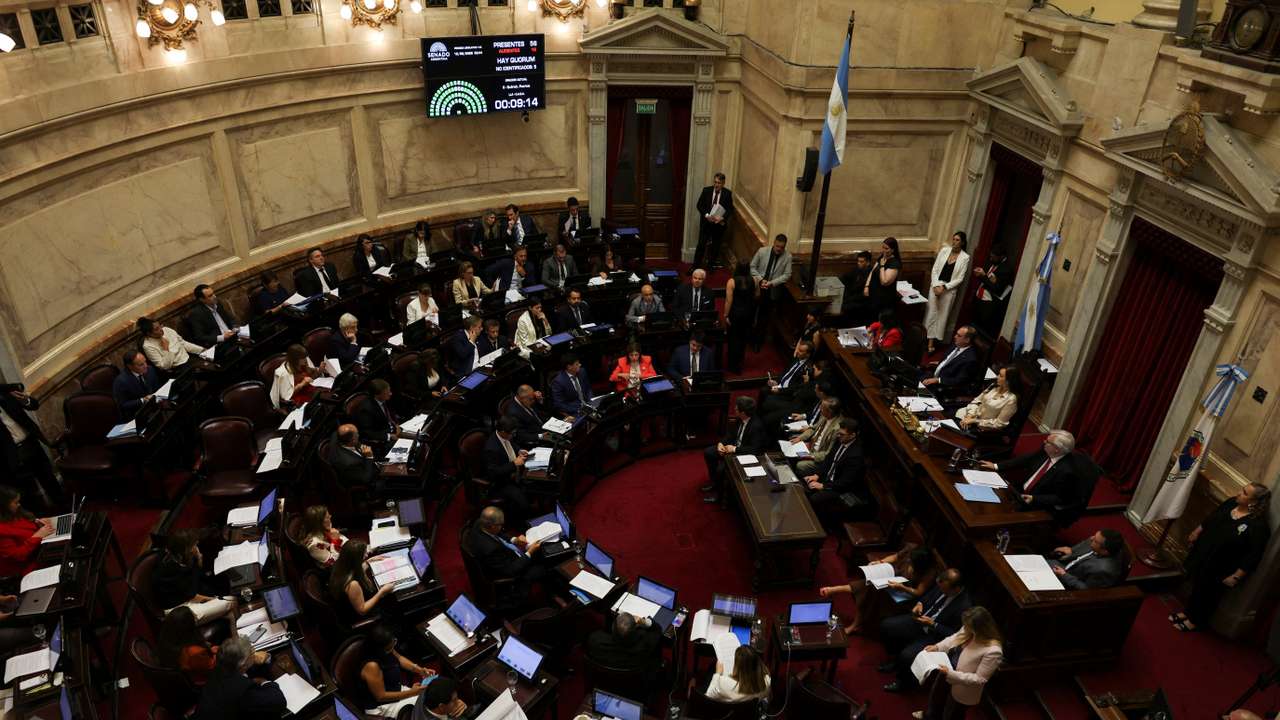
Argentina, under President Javier Milei, is taking a contrasting route. The government has advanced a labour reform focused on deregulation, including easing hiring procedures, adjusting severance frameworks and modifying rules that affect union activity. Officials describe the changes as necessary to encourage private investment, reduce informality and address long-standing economic instability.
The Argentine approach reflects a broader pro-market agenda aimed at reducing what the government views as rigidities in the labour system. Trade unions and opposition groups have raised concerns about the potential impact on worker protections, while the administration argues that greater flexibility could generate employment opportunities in a struggling economy.
RECOMMENDED FOR YOU

Six countries account for three-quarters of Europe’s unicorn startups
Together, the two reform processes highlight a clear regional divergence. Mexico is expanding statutory protections and reducing legal working hours, reinforcing a model centred on labour safeguards. Argentina is pursuing structural liberalisation intended to stimulate growth through market mechanisms. Rather than a question of right or wrong, the contrast underscores two distinct interpretations of how labour policy should respond to economic challenges in Latin America.
This story is written and edited by the Global South World team, you can contact us here.