Costa Rica’s political climate ahead of elections
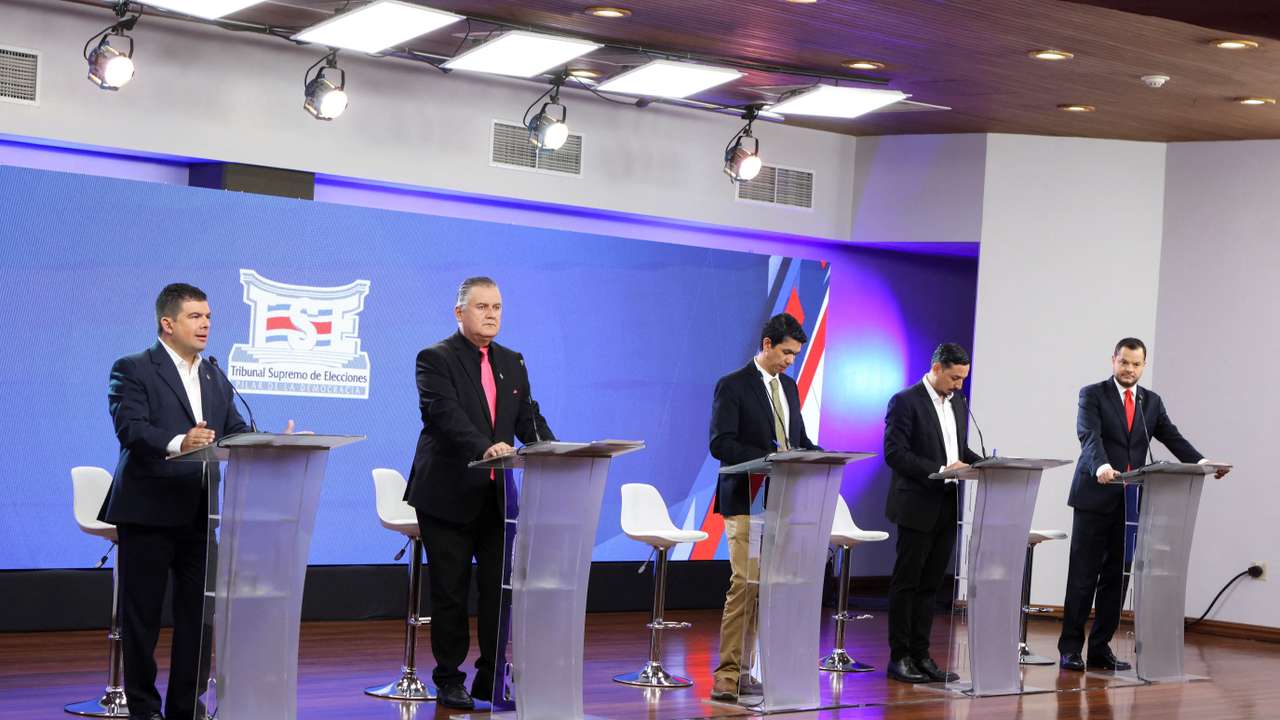
Costa Rica is heading to the polls on 1 February 2026 amid a political landscape marked by fragmentation, lingering voter indecision and rising concerns over security and governance.
With the presidential and legislative contests drawing closer, many voters remain undecided, reflecting widespread scepticism towards the current political options and a broader test of the country’s democratic resilience.
The upcoming election features an unusually crowded field, with around 20 presidential candidates, but only a few have gained significant traction in opinion polls. Surveys show that a large proportion of the electorate, nearly half, has not yet cemented support for a candidate, creating an unpredictable race that could result in a second round if no contender reaches the 40 per cent threshold required to win outright.
Security policy has emerged as a central theme in the campaign. Costa Rica, once known as one of Latin America’s safest countries, has experienced rising homicide rates and public concern over organised crime. In this context, initiatives such as the inauguration of a new high-security prison modelled on El Salvador’s controversial CECOT facility have been spotlighted, with President Rodrigo Chaves and visiting leaders emphasising tough-on-crime approaches.
But alongside policy debates, the campaign has been marked by heightened political confrontation and public frustration. Observers note that traditional party structures are weak, many voters express apathy or disillusionment, and personalistic leadership styles have dominated discourse, potentially overshadowing substantive policy discussion. Some analysts warn that the often aggressive tone of the campaign — amplified on social media — poses a challenge to Costa Rica’s reputation as a stable and highly regarded democratic system in the region.
RECOMMENDED FOR YOU

A wake-up call: The countdown for Latin American democracy — Opinion
In response to calls for greater voter information, the Tribunal Supremo de Elecciones has launched initiatives such as the “Votante Informado” programme, designed to provide candidates’ plans and profiles to citizens ahead of election day. As Costa Ricans prepare to cast ballots both at home and abroad, these efforts aim to improve engagement and understanding in a contest where the outcome remains far from certain.
This story is written and edited by the Global South World team, you can contact us here.