Could Europe really boycott the 2026 FIFA World Cup over Trump?
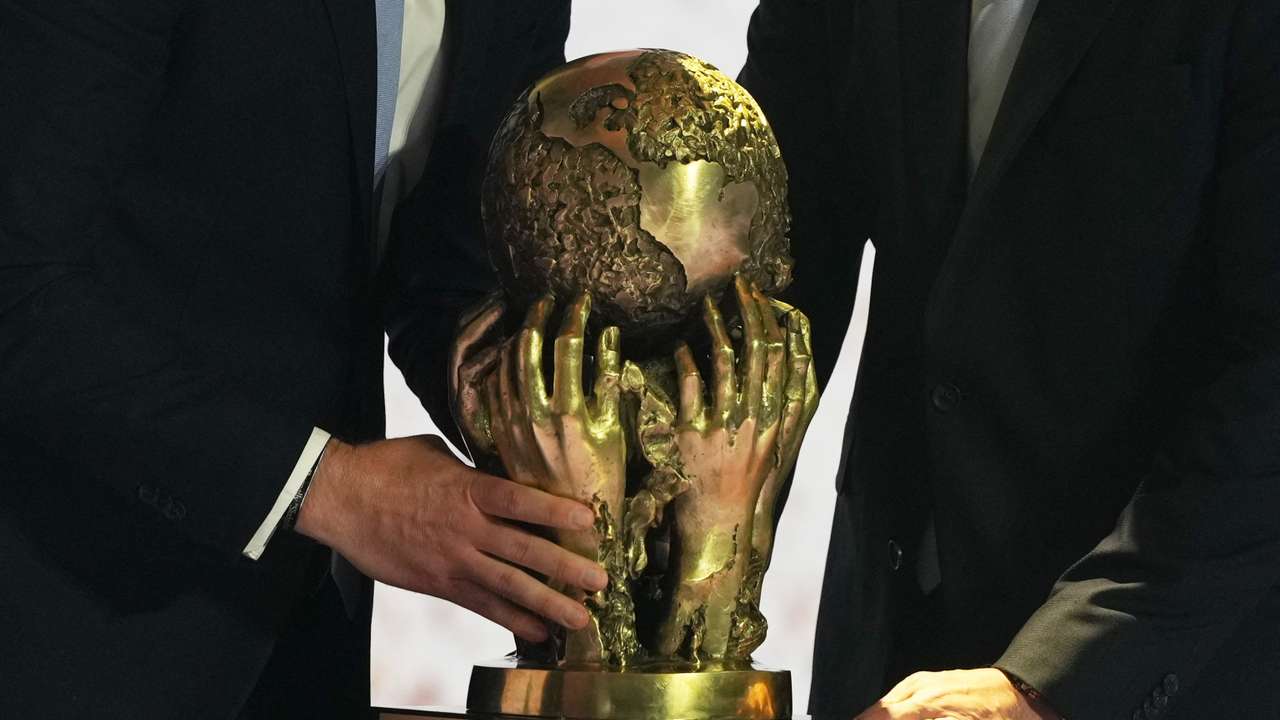
As the 2026 FIFA World Cup approaches, an unlikely political debate has emerged at the heart of European sport: could some nations refuse to take part in football’s flagship event in protest against the policies of US President Donald Trump?
At the centre of the discussion is a petition in the Netherlands urging the Dutch national team to boycott the tournament, which will be co-hosted by the United States, Canada, and Mexico from 11 June to 19 July 2026. The online appeal, launched by Dutch television producer Teun van de Keuken, has attracted well over 100,000 signatures, calling on the Dutch Football Association (KNVB) to consider withdrawal as a form of protest against what its backers describe as Trump’s controversial domestic and foreign policies.
The petition reflects a wider atmosphere of discontent in parts of Europe over a string of Trump-era diplomatic tensions. A flashpoint has been the US President’s persistent rhetoric about Greenland, an autonomous territory of Denmark, which has alarmed European capitals and fuelled speculation about whether politics and sport can truly be kept apart.
Yet despite the heightened rhetoric, official positions remain cautious. National football associations and governments across Europe have so far ruled out formal boycotts. France’s Sports Minister has reiterated that the French team intends to participate, stressing the importance of keeping international sport separate from political disputes. Likewise, Belgium has dismissed boycott talk “at this stage”, with its federation focused instead on preparation for the tournament.
The German Football Federation (DFB) has provided perhaps the most high-profile spark in the debate. A senior DFB official, Oke Göttlich, has publicly called for a serious discussion about the possibility of withdrawal, arguing that Trump’s actions, including foreign policy and immigration stances, warrant a firm stance from Europe’s football community. However, this view is not official DFB policy, and the federation’s leadership has stopped short of committing to any boycott.
RECOMMENDED FOR YOU
Six countries account for three-quarters of Europe’s unicorn startups
Football’s governing bodies themselves, such as UEFA and FIFA, have signalled reluctance to let political disputes disrupt the sport. FIFA president Gianni Infantino has maintained that the tournament should go ahead with full participation, and European football leaders are reportedly discussing responses within existing structures rather than pledging boycotts.
In short, while grassroots campaigns and political voices in Europe are pushing the idea of a boycott, the consensus among governing bodies and executives in several major footballing nations is that withdrawing from the 2026 World Cup remains unlikely. The debate highlights the growing tension between sports diplomacy and geopolitical realities, but as of early 2026, participation by UEFA teams still appears highly probable.
This story is written and edited by the Global South World team, you can contact us here.