Dangote refinery could end $17bn gasoline trade from Europe to Africa: summary
What we know
- Nigeria's Dangote oil refinery is set to revolutionise the regional gasoline trade, potentially bringing an end to the long-standing flow of European gasoline to Africa, estimated at a staggering $17 billion annually.
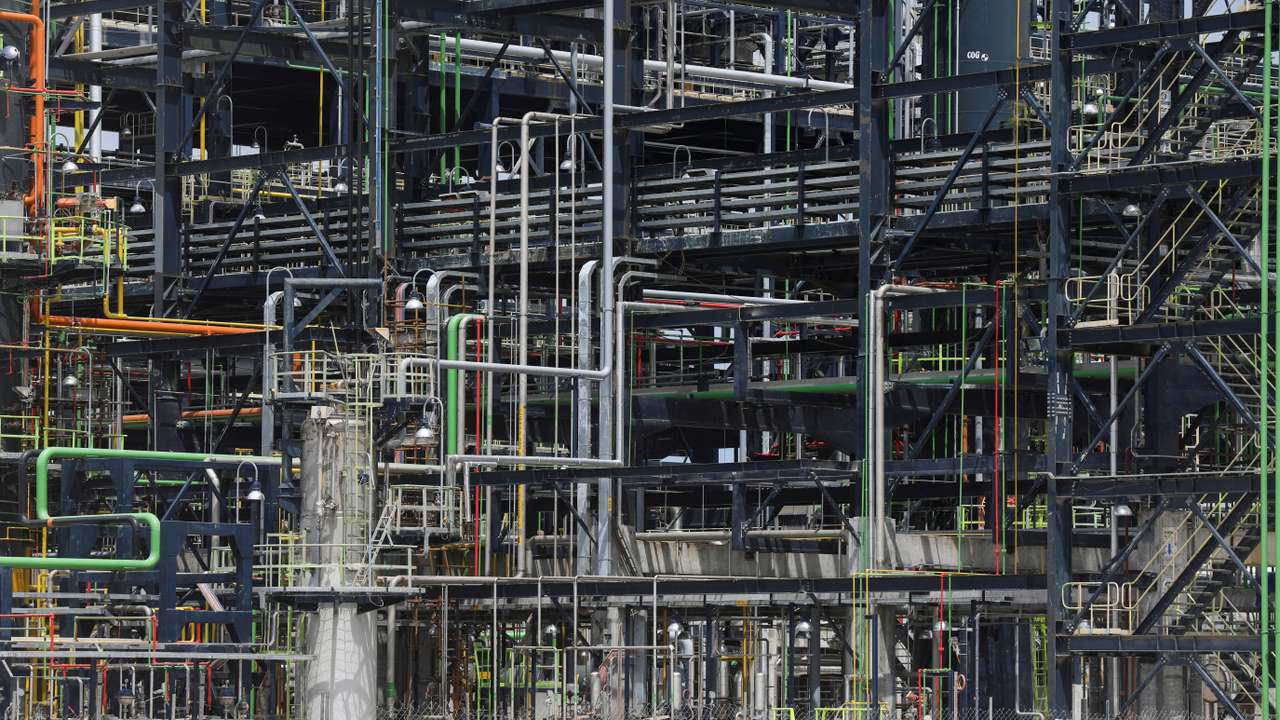
- Analysts and traders anticipate significant repercussions for European refineries already grappling with heightened competition. With production commencing in January after a $20 billion investment, the refinery boasts a capacity to refine up to 650,000 barrels per day (bpd), positioning it as the largest in both Africa and Europe upon reaching full operational capacity in 2023 or 2024.
- This positions Nigeria for energy independence, given its status as Africa's most populous nation and leading oil producer, yet reliant on fuel imports due to inadequate refining capabilities. About one-third of Europe's gasoline exports, averaging 1.33 million bpd in 2023, are directed to West Africa, with Nigeria being the primary recipient.
- The potential loss of this market poses challenges for European refineries, particularly those lacking the necessary equipment to meet stringent environmental standards for other regions.
- Concerns about refinery closures loom large, with estimates suggesting that 300–400,000 bpd of refining capacity in Europe could be at risk due to the surge in global gasoline production.
What they said
Eugene Lindell, head of refined products at consultancy FGE, highlighted concerns about the impact of losing the West African market on certain refineries that lack the capability to upgrade gasoline to meet European and U.S. specifications, which have more stringent environmental standards. "The loss of the West African market will be problematic for a small set of refineries that do not have the kit to upgrade their gasoline to European and U.S. specification," he is quoted by Reuters. Further, a European refinery executive, who chose to remain anonymous, noted that coastal refineries focused on exports are at higher risk compared to inland refineries, which are less vulnerable due to their reliance on local demand. "The changes won't happen overnight, but they could ultimately lead to closures of refineries and their conversion to storage terminals," he said.