Economy, security, democracy: What matters in Benin’s upcoming election

Benin’s presidential election comes at a time of economic progress, rising insecurity and growing concerns over democratic freedoms.
One of the central issues is whether the next leader can sustain the country’s economic growth. Benin’s economy expanded by around 7% in 2025, driven by investments in agriculture, trade and infrastructure. However, many citizens say the benefits have not been evenly shared, with poverty persisting in rural and northern regions.
Security is another major concern, particularly in the north, where attacks by armed groups linked to al-Qaeda and the Islamic State have intensified. The region has seen deadly assaults on military posts, and tensions remain high following a failed coup attempt in December.
The election is also being watched for its implications on democracy. President Patrice Talon’s government has faced criticism from opposition groups and rights organisations over restrictions on protests, arrests of critics and the exclusion of opposition parties from parliament.
With the ruling coalition controlling all seats in the National Assembly and the main opposition absent from the ballot, there is fear of a shrinking political space. The ruling government, however, argues that stability is needed to sustain economic gains and address security threats.
RECOMMENDED FOR YOU
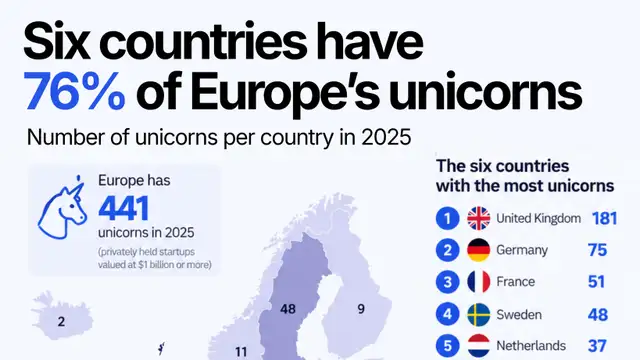
Six countries account for three-quarters of Europe’s unicorn startups
This story is written and edited by the Global South World team, you can contact us here.