Envisioning a world with animal rights
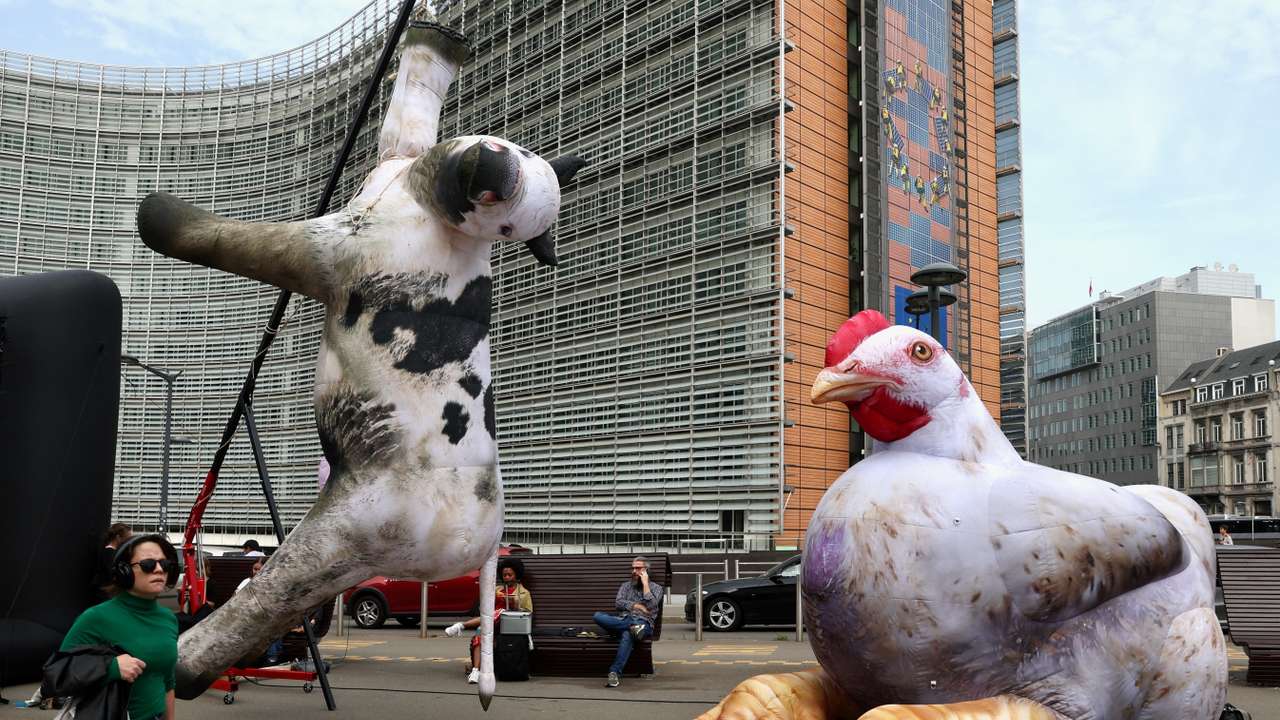
As noted by Associate Professor of Political Theory Stephen Cooke in The Conversation, animal products are pervasive in our societies. We kill billions of animals every year to produce these products. A call for animal rights is essentially a call to legally prohibit most of these uses.
According to Cooke, animal rights theorists have argued that we should not protect jobs and income generated from rights violations. This means that the economic impact of granting animals rights would be significant but necessary.
Most people probably wouldn't notice a ban on the use of animals in most forms of scientific research. New forms of animal-free modelling are constantly being developed and many are well established. If future advances are possible without harming nonhuman animals, then we ought to opt for alternative methods of research, as per Cooke’s submission.
The term "convenience euthanasia" has been coined by the veterinary profession to describe cases where healthy animals are euthanised for the convenience of their owners. Vets do have the right to refuse to euthanise an animal, but there is no law to prevent them from carrying out these instructions, as indicated by Cooke in The Conversation.
Cooke further argues that, if companion animals had rights, then they would have to be treated differently. We might even start to think of nonhuman animals as fellow citizens. As citizens, animals could be entitled to workers' rights, health and retirement benefits. Full animal rights mean that animals would be entitled to what is known as legal personhood. This would fundamentally change our relationship with animals and our responsibilities towards them.
RECOMMENDED FOR YOU
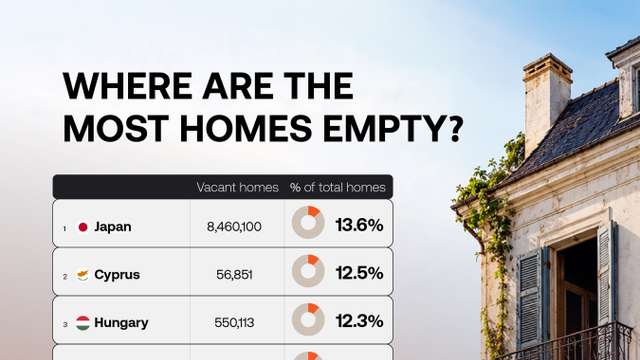
Japan leads housing vacancy ranking as millions of homes remain empty worldwide