Even King Charles won’t pick sides in Africa’s jollof debate
Among Nigerian, Ghanaian or Senegalese jollof, which one is fit for a king?
It is a question that has animated kitchens, street corners and social media feeds across West Africa for years. Now, improbably, it has reached the chandeliers of Windsor Castle — with King Charles III offering a characteristically diplomatic answer.
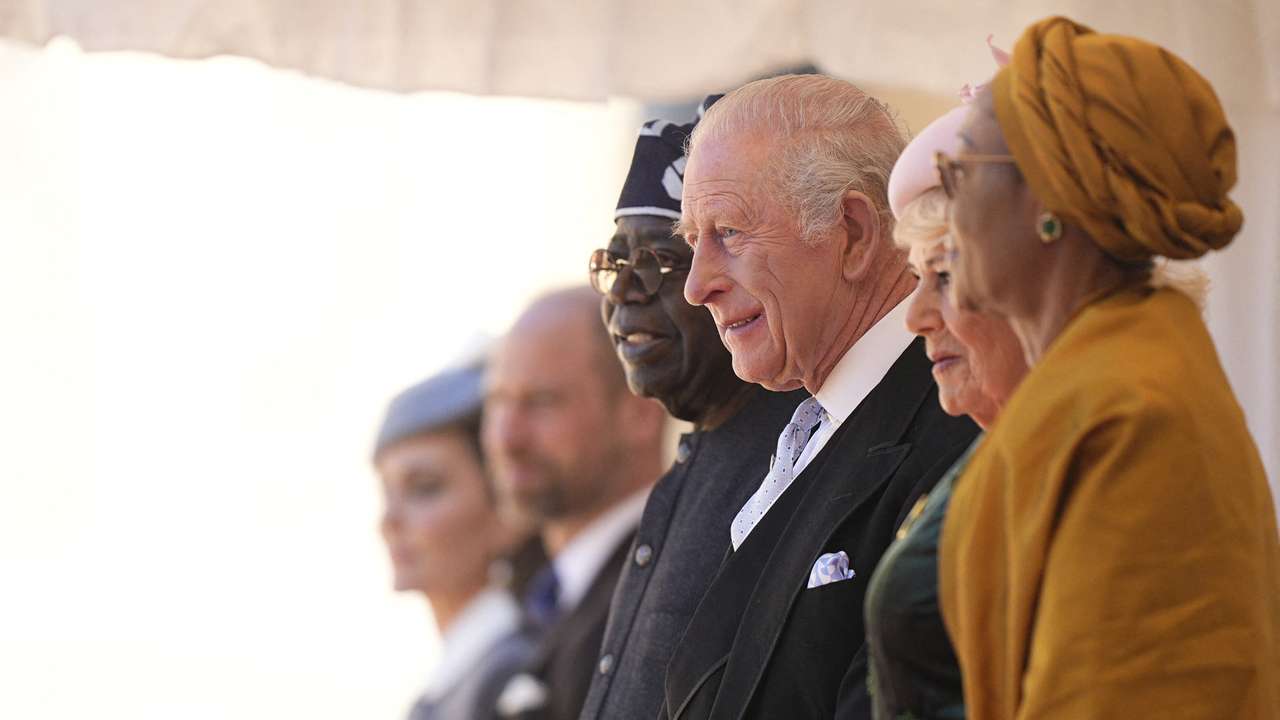
The occasion was a state banquet held in honour of Bola Ahmed Tinubu, marking the first visit by a Nigerian leader to Britain in nearly four decades. Tinubu and First Lady Oluremi Tinubu were received with full ceremony on March 17, complete with a guard of honour — a fitting welcome for the head of Africa’s most populous nation.
That evening, around 160 guests gathered in St. George’s Hall, including Prime Minister Keir Starmer and the Prince and Princess of Wales, Prince William and Catherine, Princess of Wales. The long tables were set with elaborate displays from the Royal Collection.
Opening his speech with the greeting “Ramadan Mubarak,” the King nodded to Nigeria’s religious diversity before recalling his 2018 visit to the country. He then turned, lightly, to a subject that is anything but trivial in West African circles: jollof rice.
RECOMMENDED FOR YOU
Six countries account for three-quarters of Europe’s unicorn startups
“I was delighted to host a rather lively group for a ‘Jollof and Tea’ party,” he said, referring to a recent reception at St. James’s Palace. “I was firmly assured that the jollof was only the best: Nigerian, of course… or perhaps Ghanaian or Senegalese.”
“Diplomatically, I cannot remember,” the King quipped, drawing laughter.
For decades, the so-called “jollof wars” have pitted countries against one another in a spirited contest over whose recipe reigns supreme.
For decades, the so-called “jollof wars” have pitted countries against one another in a spirited contest over whose recipe reigns supreme.
Nigerians champion a smoky, party-style version; Ghanaians argue for a richer flavour; Senegal, widely considered the dish’s originator, traces it to thieboudienne.
What may seem like a playful rivalry has also helped push West African cuisine into the global spotlight. Social media has amplified the debate, turning it into a wider conversation that travels well beyond the region.
Research suggests that the rivalry does more than entertain. The study describes the “jollof war” as an “occasionally fierce online debate” that has spread widely on social media, particularly between Nigerians and Ghanaians.
Far from being purely divisive, it argues that these exchanges are “harnessing West African culinary soft power” — effectively turning everyday arguments about food into a form of cultural promotion.
RECOMMENDED FOR YOU
Olympic flame arrives on African soil for first time as Senegal begins Dakar 2026 countdown
As for the King, his answer was carefully balanced. In the jollof debate, even a monarch appears to know better than to take sides.
This story is written and edited by the Global South World team, you can contact us here.