Explainer: Why Eswatini is excluded from China’s zero-tariff policy for African countries
Key Takeaways
- Eswatini is excluded from China’s zero-tariff policy because it recognises Taiwan, not Beijing.
- China’s “One China” policy ties trade benefits to diplomatic recognition.
- Other African countries are gaining duty-free access, making their exports more competitive.
- The decision is largely political, with potential for Eswatini to deepen support from Taiwan.
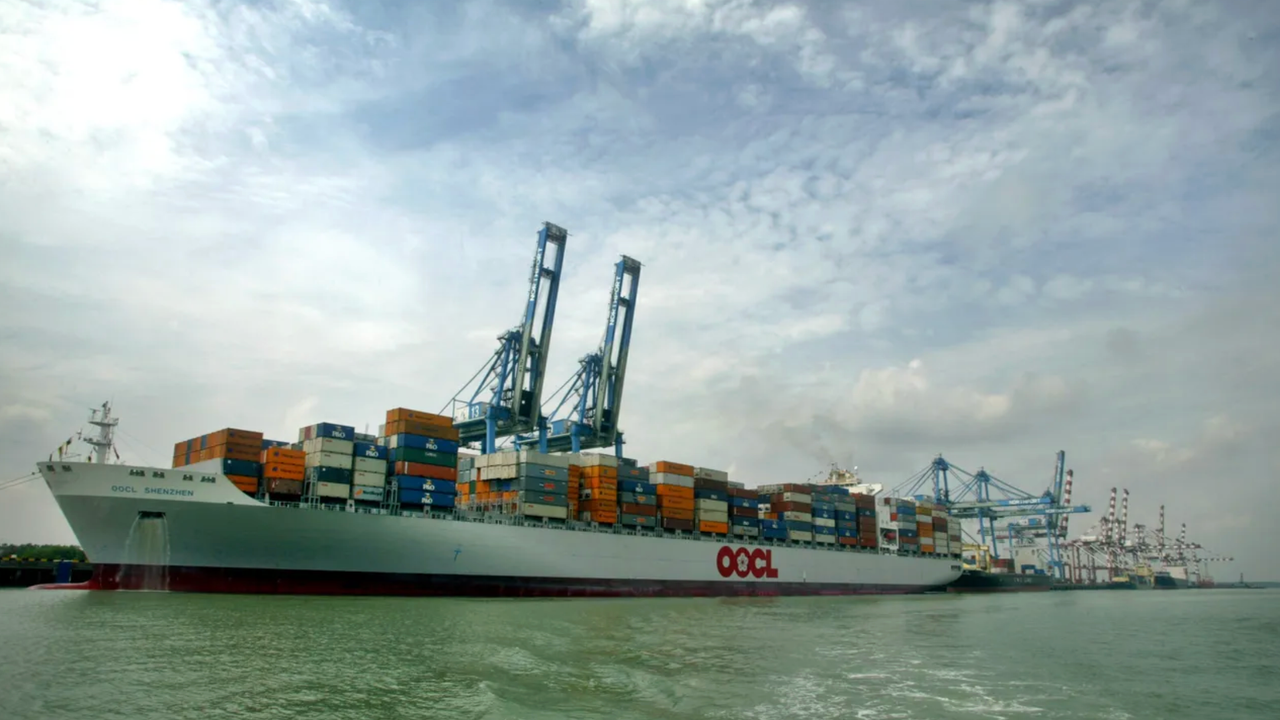
Diplomatic ties with Taiwan leave Eswatini outside Beijing’s expanding duty-free trade framework across Africa
Eswatini remains the only African country excluded from China’s zero-tariff policy for the continent, a position shaped by its longstanding diplomatic recognition of Taiwan instead of the People’s Republic of China.
Effective May 1, 2026, China began implementing its duty-free trade access to several African economies, removing tariffs on a wide range of exports. The policy is designed to strengthen trade relations, boost African exports, and deepen Beijing’s economic influence across the continent. Countries such as South Africa, Nigeria, Kenya, Egypt, Ghana and others are already benefiting from improved market access.
A political, not economic, exclusion
However, Eswatini is not part of this framework. The reason is political rather than economic.
China follows a strict “One China” policy, which requires countries to recognise Beijing as the sole legal government of China. This means nations must cut official diplomatic ties with Taiwan to establish relations with Beijing. Most African countries have aligned with this policy over the years, shifting recognition from Taipei to Beijing.
RECOMMENDED FOR YOU
Six countries account for three-quarters of Europe’s unicorn startups
Eswatini’s diplomatic stance
Eswatini has taken a different path. It is the only African nation that continues to maintain formal diplomatic relations with Taiwan. This position has remained consistent despite growing economic ties between China and other African states.
As a result, Eswatini does not benefit from China’s zero-tariff access. Its exports face standard trade conditions when entering the Chinese market, which can make them less competitive compared to goods from other African countries that now enjoy duty-free entry.
Trade policy as foreign policy
The exclusion highlights how diplomatic alignment can influence trade opportunities. China’s tariff policy is not only an economic tool but also part of its broader foreign policy strategy. By linking trade benefits to diplomatic recognition, Beijing reinforces its global stance on Taiwan.
Balancing Taiwan ties and economic interests
For Eswatini, the decision reflects a balance between political ties and economic considerations. Taiwan has maintained strong bilateral relations with the country, providing development support and investment in sectors such as agriculture, health and education.
While other African economies expand their trade with China under the zero-tariff arrangement, Eswatini continues to operate outside this framework due to its diplomatic stance.
Analysts weigh the impact
The exclusion of Eswatini has raised questions, with analysts describing the decision as largely political and carrying limited economic impact.
A Singapore-based expert in China-Africa relations, Amit Jain said the move “may even help Eswatini win even more economic concessions from Taiwan”.
Rising geopolitical tensions
Eswatini remains one of only 12 countries that maintain diplomatic relations with Taiwan, which China regards as a breakaway province that will eventually be “reunited” with the mainland. However, many in Taiwan see the island as an already sovereign state.
RECOMMENDED FOR YOU

Olympic flame arrives on African soil for first time as Senegal begins Dakar 2026 countdown
Geopolitical tensions came into focus last month when Taiwan’s leader, Lai Ching-te, cancelled a planned visit to Eswatini after Seychelles, Mauritius, and Madagascar denied his aircraft access to their airspace - moves Taipei said were taken under “intense pressure” and economic coercion from China.
China’s broader strategic intent
According to Wen-Ti Sung, a political scientist at the Australian National University’s Taiwan Centre, China’s decision signals a wider strategic intent.
“China is weaponising its ties with African countries, and showing how relations with China comes up with strings attached,” he said.
“China wants to show the world how it treats its friends, versus Taiwan’s friends.”
This story is written and edited by the Global South World team, you can contact us here.