Factbox-What you need to know about Portugal's presidential runoff
By Canan Sevgili and Tiago Brandao
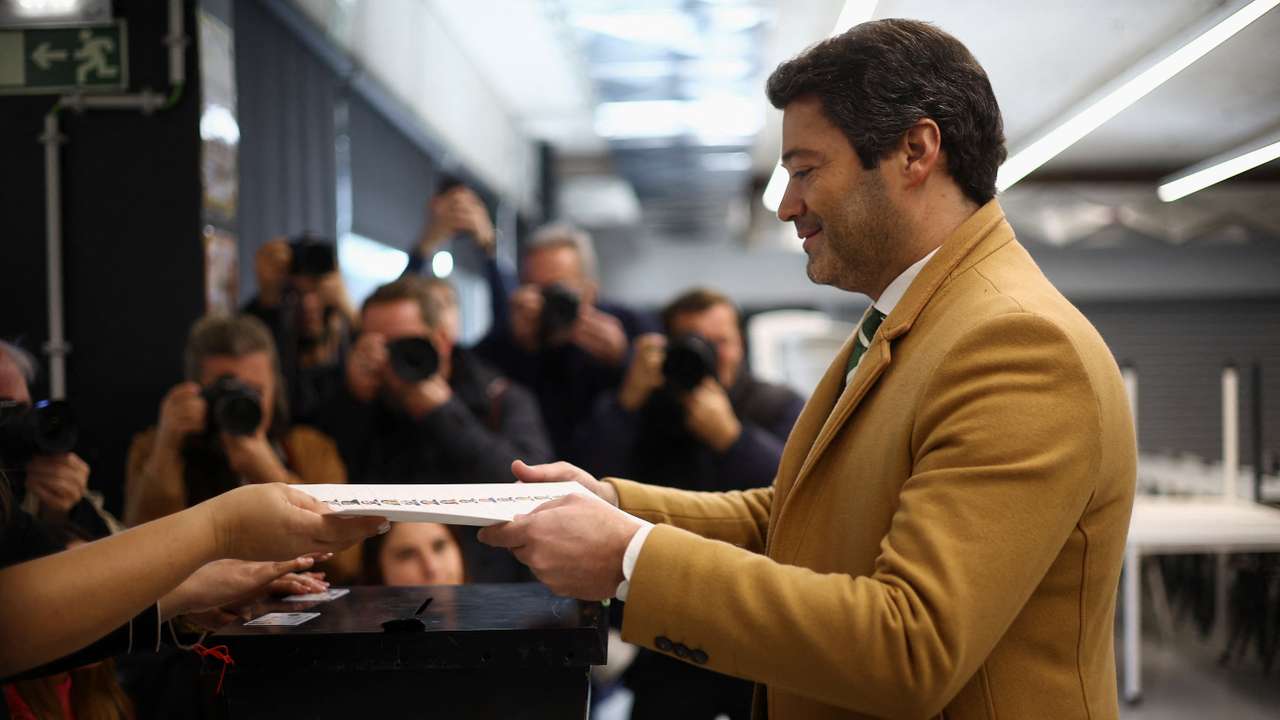
Portugal will hold a presidential runoff vote on February 8, pitting moderate Socialist Antonio Jose Seguro against far-right leader Andre Ventura, whose anti-establishment Chega last year became the main opposition party in parliament.
The ballot will be the fifth nationwide vote since 2024 and the first runoff in four decades after none of the 11 candidates secured more than 50% of the vote in the first round, underscoring the fragmentation of Portugal's political landscape.
WHO WON THE FIRST ROUND?
RECOMMENDED FOR YOU
Six countries account for three-quarters of Europe’s unicorn startups
Seguro, 63, came out on top in the first round on January 18, winning more than 31% of ballots, and opinion polls suggest he will win Sunday's runoff by a wide margin.
Ventura, 43, garnered 23.5%, while Joao Cotrim de Figueiredo of the pro-business Liberal Initiative took third place with 16%.
Voter turnout of 52% was the highest in a presidential election in 15 years.
WHO ARE THE TWO CANDIDATES?
ANTONIO JOSE SEGURO
Before announcing his bid last June, Seguro had quit active political life after losing the Socialist Party's (PS) leadership in 2014 to Antonio Costa, who served as prime minister in 2015-2024.
The PS has run the most governments in Portugal's post-dictatorship era, alternating with the now ruling centre-right Social Democratic Party.
Seguro casts himself as the candidate of a "modern and moderate" left who can actively mediate to avert political crises like those that triggered snap parliamentary elections in 2024 and 2025 and defend democratic values from the rise of far-right populism.
RECOMMENDED FOR YOU

Burkina Faso to stop importing armoured vehicles, Traore says
His surname translates as 'safe', leading his campaign to resort to slogan wordplay such as "safe vote" and "safe future".
ANDRE VENTURA
The charismatic 43-year-old Chega leader is a former TV sports commentator and trained lawyer.
He founded Chega about seven years ago and led it to become the second-largest parliamentary force last year, overtaking the Socialists, on promises of fighting corruption and immigration.
Ventura has said he would be "an interventionist president", tackling what he sees as decades of mainstream party corruption. He also wants to change the constitution and give more powers to the president.
WHAT ARE THE PRESIDENT'S POWERS?
Portugal's presidency is a largely ceremonial role but holds some key powers, including to dissolve parliament and call a snap parliamentary election in times of crisis. The president can also block laws but parliament can override the veto.
Outgoing conservative President Marcelo Rebelo de Sousa has held office since 2016 and is constitutionally barred from seeking a third consecutive five-year term. He used his power to call snap elections three times: in 2021, 2023 and 2025.
RECOMMENDED FOR YOU
Families give DNA samples as 129 remain missing in Indonesia ship disaster
WHAT SUPPORT DO THE CANDIDATES HAVE?
Seguro, who led the Socialist Party from 2011 to 2014, is backed by most first-round candidates across the political spectrum, several cabinet members and many senior ruling alliance lawmakers who want to prevent a Ventura victory.
However, centre-right Prime Minister Luis Montenegro has declined to support either of the runoff candidates.
The latest opinion polls show Seguro scoring a decisive victory with roughly 50%-60% of the vote, depending on whether projections take into account undecided voters, while Ventura is seen winning 20%-30%.
This article was produced by Reuters news agency. It has not been edited by Global South World.