From K-pop to Latin trap, global hits now speak more languages

English is no longer the default language of the global pop chart.
In 2025, songs performed in 16 languages reached Spotify’s Global Top 50, more than double the number recorded in 2020, according to new data released by the streaming platform in its annual Loud & Clear report.
This shift reflects a broader change in listening habits. Where global hits were once dominated by English-language pop, audiences are increasingly embracing music from regional scenes across Latin America, Asia and other emerging markets.
Some of the fastest-growing genres are closely tied to non-English markets. Among music styles generating more than $100 million in Spotify royalties, the biggest gains came from Brazilian funk, which grew 36%, followed by K-pop (31%), Latin trap (29%), Latin urban (27%) and reggaeton (24%).
Over the past decade, Latin pop and Korean music have produced worldwide hits, mainly from boy groups such as BTS, and recently, from Puerto Rican star Bad Buny. But the new data indicate that the diversity of international sounds reaching mainstream listeners is continuing to expand.
RECOMMENDED FOR YOU
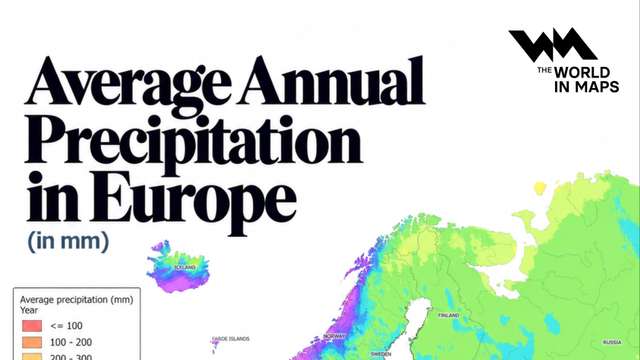
Europe's rainfall divide: Norway's coast receives over 3,000 mm while parts of Spain remain dry
Shift away from U.S.
Spotify’s report also highlights the widening geographic spread of successful artists. Eighty-five per cent of artists earning at least $100,000 annually on the platform are based outside the United States, reflecting the increasingly global nature of the streaming economy.
Streaming has helped accelerate this change by making music instantly accessible worldwide. Spotify said more than half of the royalties artists earn on the platform now come from listeners outside their home country, underscoring how international discovery is driving the industry.
Artists generating significant income are also emerging from a broader range of countries. In 2025, performers earning more than $500,000 on Spotify came from 75 countries, while artists making at least $10,000 annually represented more than 150 countries.
Streaming platforms argue that this global reach has helped expand the music business overall. Spotify said it paid more than $11 billion to the music industry in 2025, bringing total lifetime payouts from the platform to nearly $70 billion.
The company also highlighted the rise of a growing “middle class” of musicians. More than 13,800 artists earned at least $100,000 from Spotify last year, while over 1,500 generated more than $1 million.
But the widening mix of languages on the global charts may be the clearest sign of how listening is changing. As streaming connects audiences across borders, the world’s biggest hits are increasingly coming from many more languages than ever before.
This story is written and edited by the Global South World team, you can contact us here.