From "Made in China" to "China Service": a $14 trillion economic pivot. Opinion
For decades, the global narrative of the Chinese economy was defined by the rhythmic hum of factory floors and the dense thicket of container terminals.
"Made in China" was the undisputed mantra of the country’s rise. Today, however, a profound structural migration is underway. Following a landmark directive from China’s State Council, Beijing has formally mapped out an audacious future: a services economy projected to surpass ¥100 trillion (approximately $14 trillion) by 2030. This signals a decisive move away from a hardware-driven growth model toward a "China Service" era defined by intelligence, technology, and global standards.
The transition is already visible in the data. In the first quarter of 2026, services accounted for 61.7% of China’s GDP growth, signalling that the shift from a manufacturing-heavy economy to a high-value service hub is no longer a future projection - it is a current reality.
Factory brains
RECOMMENDED FOR YOU
Xi arrives in India for BRICS Summit after seven years
The first pillar of this strategy is the extension of "Producer Services" toward specialisation and the high end of the value chain. China recognises that the future of manufacturing lies not in assembly, but in the "industrial brain" behind it.
The science and technology hubs of Beijing, Shanghai, and the Greater Bay Area are serving as high-velocity engines for this shift, catalysing breakthroughs in robotics, drones, and general-purpose Large Language Models (LLMs). By integrating these frontier technologies into the core of producer services, China is moving beyond traditional consulting toward an "automated expertise" model that optimises industrial design, smart logistics, and predictive maintenance across the global supply chain.
For example, in the realm of tech-enabled services, the "Qi Yuan" model has transformed AI from a linguistic tool into a digitalised attending physician at the ICU bedside. Developed by Shenzhen-based medical giant Mindray and tech titan Tencent, Qi Yuan is the world’s first LLM clinically implemented for critical care. This shift toward high-end, specialised services is the engine driving the Chinese industry toward the apex of the global value chain.
Quality of modern life
The second pillar is the transformation of "Life Services" to emphasise quality, variety, and convenience. As China's 500-million-strong middle class begins to prioritise "quality of life" over the mere accumulation of goods, the government is opening doors to satisfy increasingly diverse consumer demands.
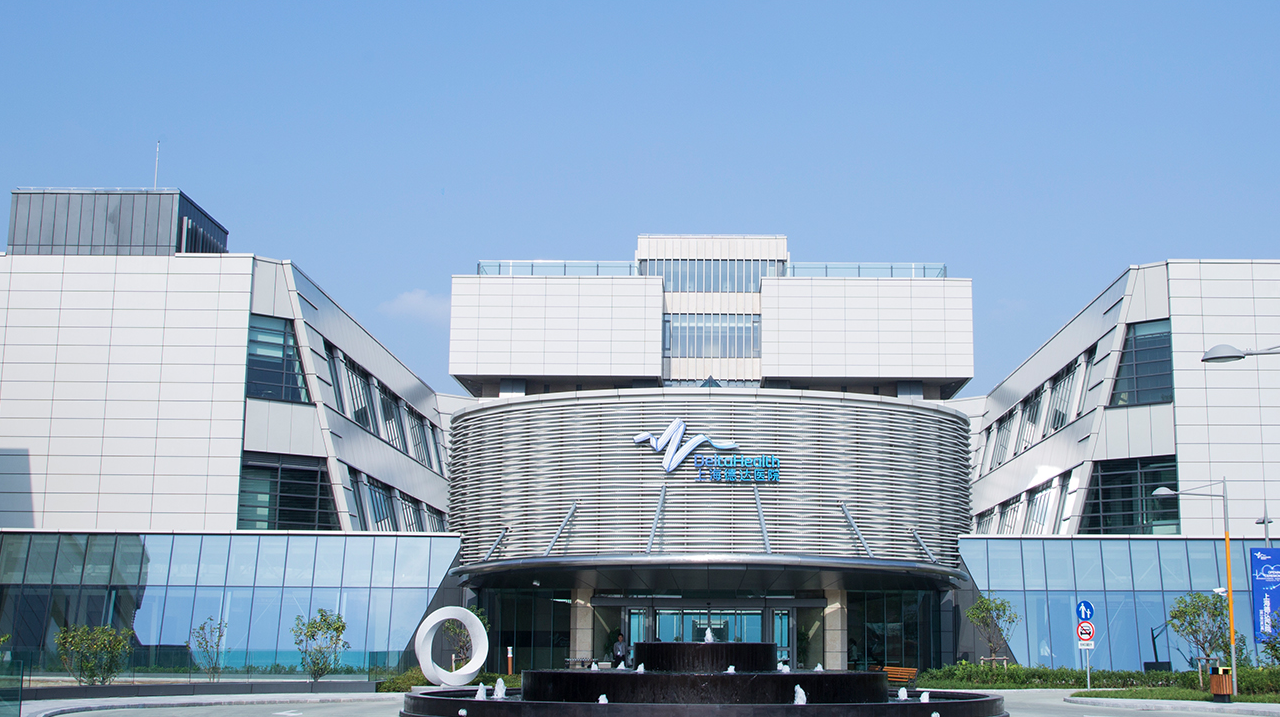
In Shanghai’s Qingpu District, the launch of DeltaHealth Hospital Shanghai - owned by the British conglomerate Swire Pacific - serves as a vital bellwether. As the first general hospital in the city permitted to convert into a wholly foreign-owned entity, it represents an "airlift" of international management logic and specialised expertise into the heart of the Chinese market.
By attracting high-level international medical institutions, China is pursuing a dual-track strategy: meeting the sophisticated demands of high-income groups while simultaneously reducing pressure on public hospitals, which are often overcapacity due to China's massive population. Furthermore, Beijing is encouraging this competition to boost the overall quality of domestic healthcare services.
Meanwhile, a growing ageing population is seeking a better quality of life post-retirement. On the island of Hainan, China’s southernmost province and largest tropical territory, the "Silver Economy" is emerging as a major opportunity. In the Hainan Boao Lecheng International Medical Tourism Pilot Zone, the traditional silos between tourism, healthcare, and elderly care have vanished, replaced by a closed-loop ecosystem. This deep integration of "service + consumption" allows patients to access cutting-edge global drugs synchronised with international approvals, directly addressing health anxieties within an ageing society.
RECOMMENDED FOR YOU

Turkmenistan Roundup: Halk Maslahaty preparations, smart energy, and Caspian diplomacy
Why the pivot?
Why has China launched this trillion-dollar offensive now? Beyond hedging against rising manufacturing costs brought by geopolitics and other uncertainties, the move is rooted in a desire for resilient public well-being and a green future. Services are inherently less carbon-intensive, making them a natural vehicle for China’s "Dual Carbon" goals. Furthermore, by opening professional sectors like healthcare, education, and finance to global competition, China is using international standards to catalyse a domestic industrial upgrade, creating a more predictable and transparent business environment.
For global investors, this $14 trillion invitation is both a golden opportunity and a strategic challenge. Future dividends will no longer belong to those seeking cheap labour, but to those who can provide systemic solutions, high-end expertise, and innovative service models. From "Made in China" to "China Service," this is more than a change in name - it is a fundamental transformation of the nation's economic engine. In this new era, China will no longer just consume components and raw materials; it will consume the world’s most sophisticated intelligence and services.
Du Yubin is a journalist and producer for CGTN. He was stationed in Washington, D.C. and London for six years each, focusing on China-US and China-EU relations. He has over 15 years of experience in international communication and new media. The views expressed in this article are the author’s own.
