Gen Z see ‘new Bangladesh’ as BNP wins first post-Hasina polls
Key Takeaways
- Bangladesh’s February 12 election was the first since the 2024 youth-led uprising that ended Sheikh Hasina’s 17-year rule and forced her into exile.
- More than 127 million voters were registered for the parliamentary election and a simultaneous referendum on constitutional reforms.
- The Bangladesh Nationalist Party (BNP) won a decisive majority, securing 209 of 300 seats, giving it a two-thirds mandate to form the next government.
- Tarique Rahman, leader of the BNP and son of former President Ziaur Rahman, is positioned to lead the new government after returning from nearly two decades abroad.
- Voter turnout was estimated at around 65%, despite the Awami League being barred from contesting.
- Polling in Dhaka was described as calm and heavily secured, with military and law enforcement deployed nationwide.
- The student-led National Citizen Party (NCP) won five seats and is viewed by some as an emerging political force.
- For many young voters, especially Generation Z, the election represented a break from the past and a chance to shape a “new Bangladesh.”
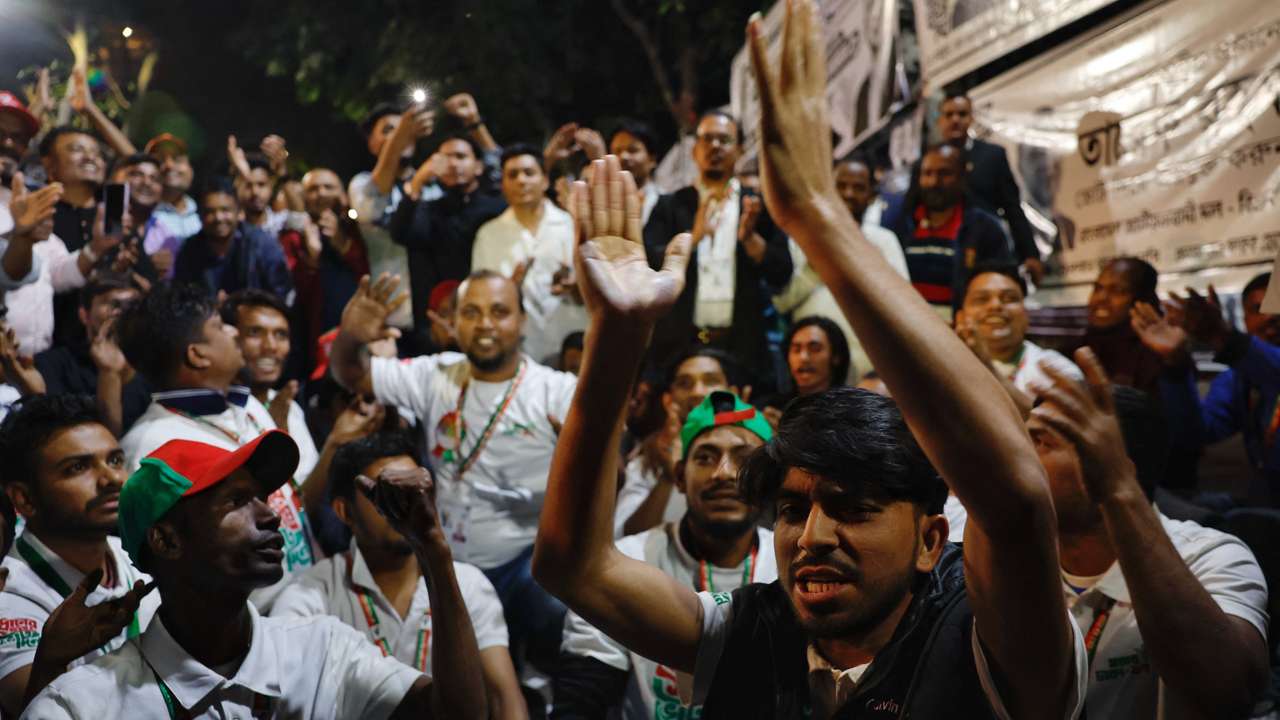
For Samiur Rahman Sazzad, a resident of Dhaka, Wednesday’s vote was both personal and political.
It was his first ballot in what many young Bangladeshis see as the start of a new chapter after the fall of Sheikh Hasina, the disgraced Awami League figurehead who had ruled the country for more than 15 years.
“I was very excited about today’s voting,” Sazzad, a journalist, told Global South World shortly after polls closed on Thursday. “It was like a new experience for us. After so many years, we finally had the chance.”
This year’s election marked Bangladesh’s first since the 2024 youth-led uprising that ended Hasina’s 17-year rule and forced the longtime premier into exile in India.
More than 127 million voters were registered for the parliamentary contest and a simultaneous referendum on constitutional reforms.
RECOMMENDED FOR YOU

Six countries account for three-quarters of Europe’s unicorn startups
For many in Generation Z — those who came of age politically during Hasina’s tenure — the vote represented more than a routine democratic exercise.
It was, in Sazzad’s words, an opportunity to help shape a “new Bangladesh.”
“They are the future of our country,” Sazzad said of the Bangladeshi youth. “They want to see some pragmatic changes in the future in Bangladesh. They never want to see any corruption. They never want to see any disruption to living their life.”
Polling centres in the capital were calm and heavily secured, with the military and other law enforcement agencies deployed nationwide, Sazzad said.
Yet beneath the order, Bangladeshis were elated at the chance to witness a new political landscape, one they largely see as shaping their future.
“They are very happy and they were feeling like it's like Eid for us,” Sazzad said, referring to the Islamic holiday featuring feasts and prayers. “It was a sunny day in our country. The situation was very good.”
BNP win
The Bangladesh Nationalist Party secured a decisive parliamentary majority, winning 209 of 300 seats, giving the party a two-thirds mandate to form the next government.
For Samiur Rahman Sazzad, the outcome signals both continuity and opportunity.
RECOMMENDED FOR YOU

Olympic flame arrives on African soil for first time as Senegal begins Dakar 2026 countdown
“BNP now has the chance to prove themselves,” he said, noting the party’s “very talented” leadership under Tarique Rahman, son of BNP founder Ziaur Rahman.
Tarique, who returned from nearly two decades abroad, is seen as a charismatic figure capable of implementing the BNP’s 31-point election platform, including initiatives aimed at reducing social inequality, expanding access to food and education, and widening the tax base.
Sazzad emphasised that while the Awami League was barred from contesting, voter turnout — estimated at around 65% — reflects strong public engagement.
“The people of Bangladesh accept the result,” he said, dismissing criticisms from Hasina and her party in exile that the elections were a “well-planned farce” and was not inclusive, considering Awami League was excluded.
Opposition voices, including Jamaat-e-Islami, have also largely signalled acceptance.
Gen Z future
While BNP claims power, Sazzad sees the next chapter of Bangladesh’s politics as still deeply influenced by Generation Z.
Young voters, he said, remain committed to pragmatic reform and anti-corruption priorities, even as new actors like the student-led National Citizen Party (NCP) begin to emerge.
“The NCP is like an infant baby,” Sazzad explained. “They won five seats, but they have potential.”
RECOMMENDED FOR YOU

Norway has Europe’s highest petrol prices, Russia and Belarus remain cheapest
He predicts the party could capture dozens of constituencies in future elections, reflecting a generation eager for leaders who actively participated in the 2024 uprising that ousted Hasina.
For many young Bangladeshis, including first-time voters like Sazzad, the election is a first step toward what they hope will be a more transparent, equitable, and forward-looking Bangladesh.
This story is written and edited by the Global South World team, you can contact us here.