Ghana urged to ban sachet alcohol as Nigeria acts on rising underage drinking crisis
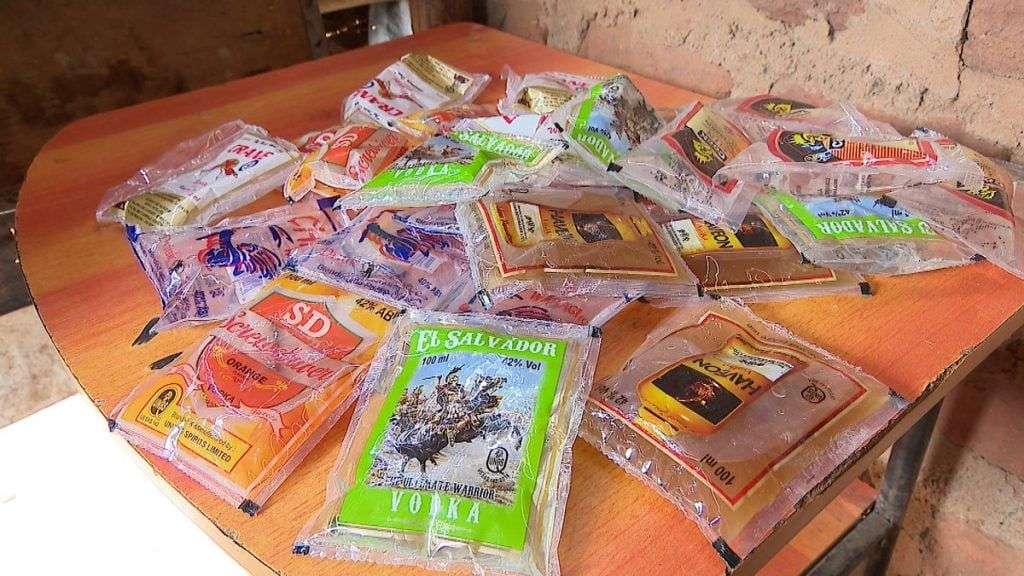
Following Nigeria’s regulatory action to ban alcohol in sachets after new evidence of increasing underage alcohol consumption, Ghana’s government has been urged to follow suit.
Civil society organisation, Vision for Accelerated Sustainable Development (VAST-Ghana) issued a public appeal to the Ghanaian government to outlaw sachet alcohol, citing a growing crisis of underage addiction and the associated long-term health consequences.
The group referenced Nigeria’s decision to ban sachet alcohol, which was driven by data from a national survey revealing that nearly one in ten children under the age of 13 drinks alcohol daily.
VAST-Ghana raised concerns about the design and marketing of sachet alcohol. Typically containing alcohol levels of 43% or more, the small and low-cost packaging makes it easily accessible and concealable by school children. The group stated, “This situation leads to alcohol abuse, addiction, physiological damage such as liver damage, even from small amounts, and long-term health problems, as early exposure is particularly harmful to developing bodies.”
The organisation described the normalisation of sachet alcohol near schools and transport terminals as “a threat to our national security and future human capital”. VAST-Ghana also cited a May 2025 study published in BMC Public Health, which found alcohol to be the most commonly used substance among Ghanaian students, with some beginning consumption as early as age 10.
RECOMMENDED FOR YOU

Senegal welcomes Youth Olympic flame ahead of Dakar 2026
Alcohol consumption is linked to the development of noncommunicable diseases such as liver and heart diseases, several types of cancer, and mental and behavioural health issues, including depression and alcohol use disorders, according to the World Health Organisation (WHO). Global data from 2019 showed that approximately 400 million people, or 7% of the world’s population aged 15 and older, had alcohol use disorders. Among these, 209 million individuals were living with alcohol dependence.
The push for policy change in Ghana follows Nigeria’s ban on sachet and small-sized alcohol bottles under 200ml, implemented by the National Agency for Food and Drug Administration and Control (NAFDAC). The ban specifically targets the affordability and accessibility of small alcohol packs to minors.
A survey conducted by NAFDAC across Nigeria’s six geo-political zones revealed that 54% of minors purchase alcohol themselves, with a preference for sachets and small bottles due to their discreet size. The same data showed that nearly one in ten children under 13 consumes alcohol daily.
Defending the ban, NAFDAC Director-General, Prof. Mojisola Adeyeye, said: “Access to alcohol by children can be limited if pack sizes that can be easily concealed are not available. A ban on small pack sizes... can reduce the menace of underage drinking.”
This story is written and edited by the Global South World team, you can contact us here.
