Hezbollah rejects US-backed pilot zones in Southern Lebanon
Key Takeaways
- Hezbollah rejected proposed pilot security zones in southern Lebanon backed by the United States.
- Naim Qassem said Israel must withdraw from Lebanese territory and ruled out any disarmament plan.
- The comments come amid a broader US-Iran agreement that includes Lebanon and ongoing ceasefire negotiations.
Naim Qassem says Israel must withdraw from Lebanese territory as Hezbollah opposes proposed security arrangements and disarmament plans
Hezbollah Secretary-General Naim Qassem has rejected a US-backed proposal to establish pilot security zones in southern Lebanon, insisting that any future arrangement must begin with Israel's withdrawal from Lebanese territory.
Speaking in a televised address on Wednesday, Qassem dismissed reports of proposed areas that would be placed under the exclusive control of the Lebanese Army and free of non-state armed groups.
"There will be no pilot zones. There are no safe zones for Israel, whether yellow, red, or green. Israel must leave, and it will leave," Qassem said.
His comments came days after the US State Department announced that Lebanon and Israel had agreed to implement a ceasefire arrangement that includes pilot zones in southern Lebanon.
RECOMMENDED FOR YOU

Six countries account for three-quarters of Europe’s unicorn startups
Qassem also renewed Hezbollah's opposition to any proposal that would require the group to surrender its weapons.
Instead, he said efforts should focus on implementing the ceasefire agreement announced on November 27, 2024.
According to Qassem, the priorities are ending attacks by air, land and sea, securing Israel's withdrawal from all Lebanese territory, obtaining the release of prisoners, ensuring displaced Lebanese residents can return home and beginning reconstruction efforts.
He also thanked Iran for including Lebanon in its recent agreement with the United States and for what he described as helping bring an end to Israeli attacks.
On Monday, the United States and Iran announced an agreement aimed at ending the conflict. Pakistani Prime Minister Shehbaz Sharif later said Lebanon was included in the arrangement and that a formal signing ceremony is expected to take place in Geneva on June 19.
US President Donald Trump also confirmed that an agreement had been reached with Iran and announced the reopening of the Strait of Hormuz and the lifting of the naval blockade on Tehran.
Iran has said final negotiations will continue after agreed commitments are implemented.
Despite the ceasefire announcement, the Israeli military has repeatedly stated that it will continue operations against what it describes as Hezbollah threats in line with directives from Israel's political leadership.
RECOMMENDED FOR YOU
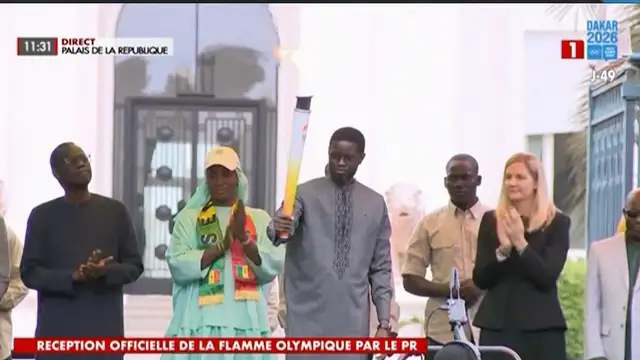
Olympic flame arrives on African soil for first time as Senegal begins Dakar 2026 countdown
Speaking on the sidelines of the G7 summit on Tuesday, Trump said: “I am not satisfied with the way Israel is dealing with Lebanon and Hezbollah.”
The current conflict began on February 28 following a joint US-Israeli military operation against Iran, leading to months of missile exchanges and increased regional tensions. A ceasefire was announced in April to allow diplomatic efforts to continue.
This story is written and edited by the Global South World team, you can contact us here.