Hidden borrowing in Senegal: How €650m was raised in the shadows
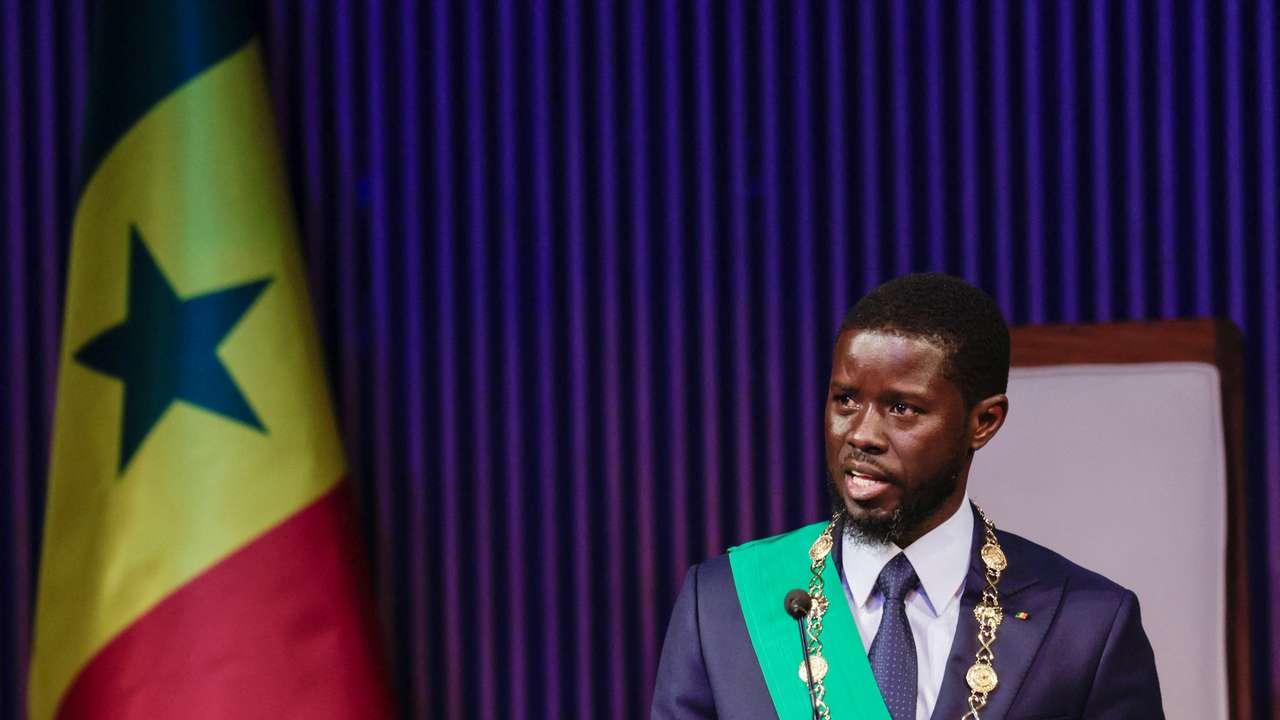
Senegal quietly arranged €650 million in financing through two deals that were not publicly disclosed. The deals have prompted questions about the country’s debt reporting and transparency as it tries to reset relations with lenders and investors.
The funding was structured through agreements with the Africa Finance Corporation (AFC) and First Abu Dhabi Bank (FAB), according to documents. The documents suggest key details of the borrowing were not fully shared with institutions such as the International Monetary Fund (IMF), even as Senegal seeks to renegotiate a major IMF programme, Financial Times reports.
Rather than using a conventional loan, Senegal relied on total return swaps, a complex financial tool that can provide cash upfront while keeping the arrangement less visible in standard public-debt disclosures. In broad terms, Senegal pledged rights tied to government bonds in exchange for immediate funding, with lenders protected by collateral worth more than the cash advanced.
Under the AFC arrangement, Senegal could access up to €350 million, beginning with €105 million backed by €150 million worth of bonds and interest costs above a floating rate, the documents indicate. In a separate FAB deal, Senegal secured about €300 million by pledging roughly €400 million in bonds, also with additional interest costs. Both arrangements are expected to run until 2028.
The structure has raised concerns because it can create hidden liabilities and sharp repayment risks. The deals reportedly include conditions that may allow lenders to demand early repayment if Senegal’s credit ratings drop below certain thresholds, adding pressure at a time when ratings have already been downgraded. Other clauses could increase costs if Senegal runs into repayment trouble.
RECOMMENDED FOR YOU
Six countries account for three-quarters of Europe’s unicorn startups
Senegal has previously faced scrutiny over undisclosed borrowing linked to a prior administration.
This story is written and edited by the Global South World team, you can contact us here.