How African youth are being lured to fight in Russia’s war against Ukraine
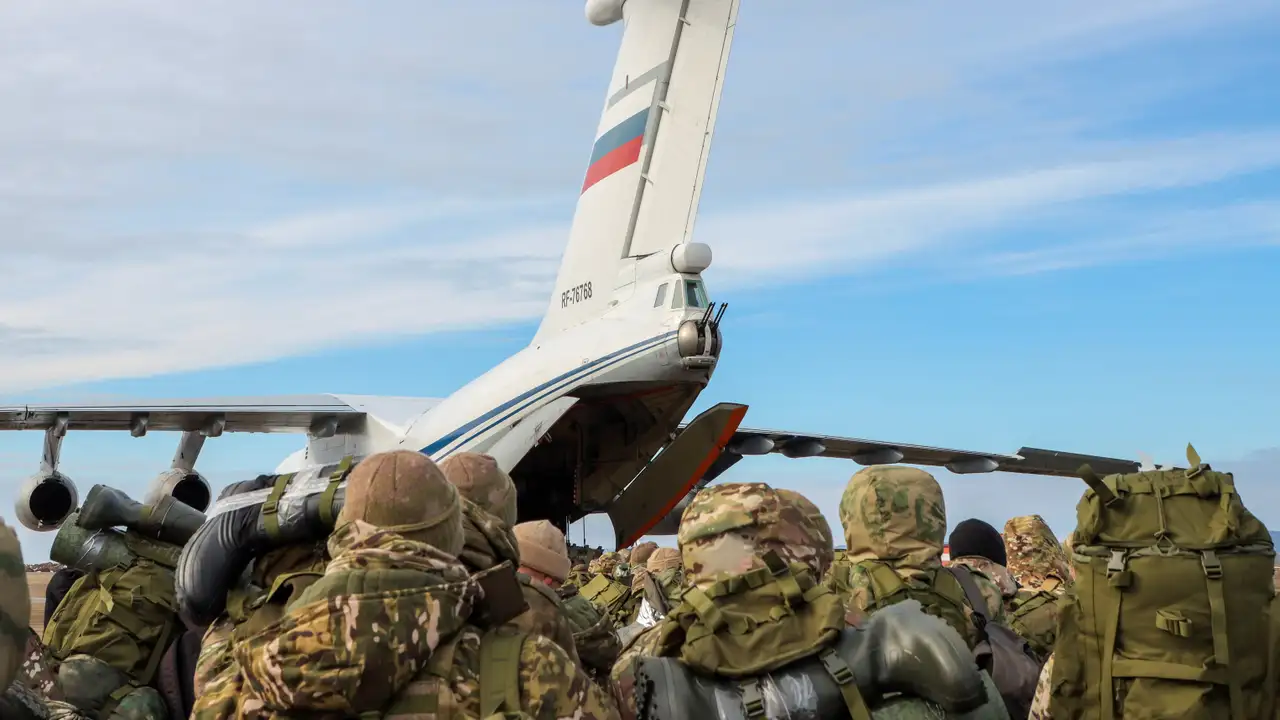
A growing number of African families say their sons were deceived into joining Russia’s war against Ukraine after being promised well-paying jobs abroad.
Across Kenya, Ghana, Cameroon, Egypt and South Africa, relatives describe a similar pattern, young men are approached by agents advertising work in Russia as security guards, drivers, construction workers or hospitality staff. Some are told they will receive short training and earn attractive salaries in dollars.
Instead, many reportedly find themselves sent to the frontlines of the war.
Promised jobs, delivered to war
Families say communication often stops shortly after the recruits arrive in Russia. Some receive brief messages saying they are being deployed to the battlefield and will not be allowed to carry phones.
RECOMMENDED FOR YOU
Fertilizer shipments through Strait of Hormuz fall to zero as food security fears grow
“We don’t know whether he is alive or dead,” said one Kenyan relative whose brother travelled to Russia last year after being promised a job. “He told us to pray for him.”
Investigative group All Eyes on Wagner (AEOW), which tracks mercenary activity, recently published a report listing 1,417 fighters from 35 African countries who joined the Russian army between 2023 and mid-2025. According to the report, at least 316 of them have died.
Egypt had the largest number of identified recruits, while Cameroon recorded some of the highest losses. The group estimates a mortality rate of more than 22 percent among the listed fighters, not including those wounded or missing. Ukraine has also claimed that more than 1,400 Africans from 36 countries are fighting for Russia.
Recruitment network
Reports from different African countries suggest the recruitment methods are similar. In Ghana, 14 men were allegedly lured with promises of agricultural and security jobs in 2024. Only three were known to be alive a month later.
In South Africa, several individuals were charged over the alleged recruitment of young men who were reportedly promised jobs or education opportunities but ended up in combat zones.
Some recruits sign contracts written in Russian, which they may not fully understand. Ukrainian officials have described the contracts as “equivalent to signing a death sentence."
Experts say Russia has long relied on foreign fighters and private military networks. “If those guys die, who cares?” one international relations professor in Egypt said, suggesting foreign recruits may draw less domestic attention inside Russia.
RECOMMENDED FOR YOU

LIVE: Lula stays in power, beats Bolsonaro in stunning comeback
Government warnings and rescue efforts
Several African governments have warned citizens to verify overseas job offers through official channels. Kenya’s Prime Cabinet Secretary Musalia Mudavadi recently urged young people to confirm employment opportunities with the Ministries of Labour and Foreign Affairs before travelling abroad.
Kenyan authorities say they have rescued some citizens caught up in the conflict. However, families claim the number of affected individuals could be much higher than officially acknowledged.
In Egypt, authorities have tightened travel requirements for citizens heading to Russia and warned that serving in a foreign military could carry serious legal consequences at home.
Desperation and risk
Analysts say high unemployment and economic hardship across parts of Africa make young people vulnerable to such schemes. The promise of stable income in foreign currency can be powerful, especially for families struggling with rising living costs.
But once in Russia, some recruits allegedly discover they have few options. Returning home may be difficult, and leaving a military contract can carry severe penalties.
For many families, the biggest pain is the silence.
RECOMMENDED FOR YOU

Can Indonesia be Asia’s next EV powerhouse?
“We just want to know the truth,” said one relative. “Is he alive? Is he coming back?”
This story is written and edited by the Global South World team, you can contact us here.