How Asian economies weathered Trump’s tariff storm in 2025
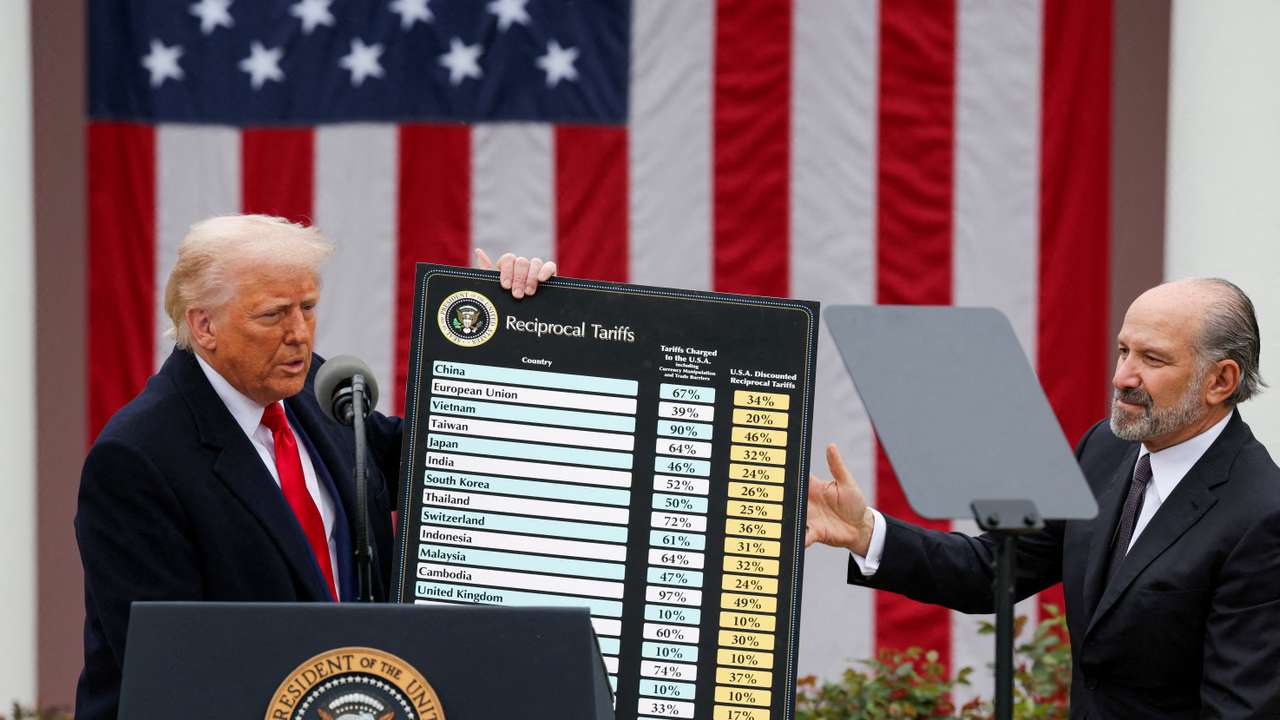
Asian economies proved unexpectedly resilient to higher United States tariffs in 2025, adapting quickly by shifting trade routes, diversifying markets and strengthening regional supply chains, according to a new report by the Asian Development Bank (ADB).
In its Asian Economic Integration Report 2026, the bank found that despite steep and uneven tariff hikes imposed by the United States, most economies across Asia and the Pacific maintained positive export growth.
Flexibility was a crucial strategy in navigating this uncertainty, as exporters redirected shipments towards neighbouring Asian markets and Europe, reducing reliance on the US without stalling overall trade.
“The region’s resilience has been driven by redirecting trade toward alternative markets, which has sustained export growth even as shipments to the United States have declined in some economies,” the ADB said.
China offers the clearest example. Although its exports to the US fell by nearly 20% in 2025, its global exports still grew. Shipments to other Asian economies and to the European Union and United Kingdom rose strongly, offsetting losses from the American market.
RECOMMENDED FOR YOU

‘Absolutely not true’ - Zelensky rejects Trump's claims over rising US diesel prices
Japan and South Korea followed a similar path, recording modest declines in US-bound exports but continued global growth.
Elsewhere, performance was even stronger. Taiwan posted the region’s fastest export growth at 35%, driven by soaring global demand for semiconductors linked to artificial intelligence.
Exports to the US surged, despite tariffs, as buyers prioritised access to advanced chips over higher costs. Several Southeast Asian economies, including Vietnam, the Philippines, and Thailand, also reported double-digit export growth.
Three-pronged strategy
According to the report, three strategies helped firms cope with the new tariff regime. Some exporters absorbed higher costs to retain access to the US market. Others redirected goods to alternative destinations, particularly within Asia. A third group routed trade through tariff-exempt partners such as Canada and Mexico under the USMCA framework.
Asian economies continued moving up global value chains, focusing on higher value-added and more upstream activities. Deeper regional production networks helped cushion shocks from external policy changes and kept factories running.
“The region also continues to structurally upgrade within global value chains, moving into more upstream, higher value-added activities and deepening regional production networks,” the ADB said.
However, the ADB warned that heavy reliance on imported inputs leaves supply chains vulnerable to disruption, while rising geopolitical tensions are pushing up trade costs. Tariffs on metals have already raised production expenses, with pharmaceuticals and semiconductors also exposed.
To sustain resilience, the report urged: “The region should thus promote product and partner diversification, deepen and effectively implement trade agreements, and strengthen trade facilitation and logistics cooperation.”
RECOMMENDED FOR YOU

Europe hit by wave of protests as rising living costs, housing crisis fuel unrest
This story is written and edited by the Global South World team, you can contact us here.