How Bangladesh’s mass protests are reshaping its 2026 elections
Key Takeaways
Bangladesh’s political moment did not begin with the elections, it began with a student-led protest over public-sector job quotas in mid-2024.
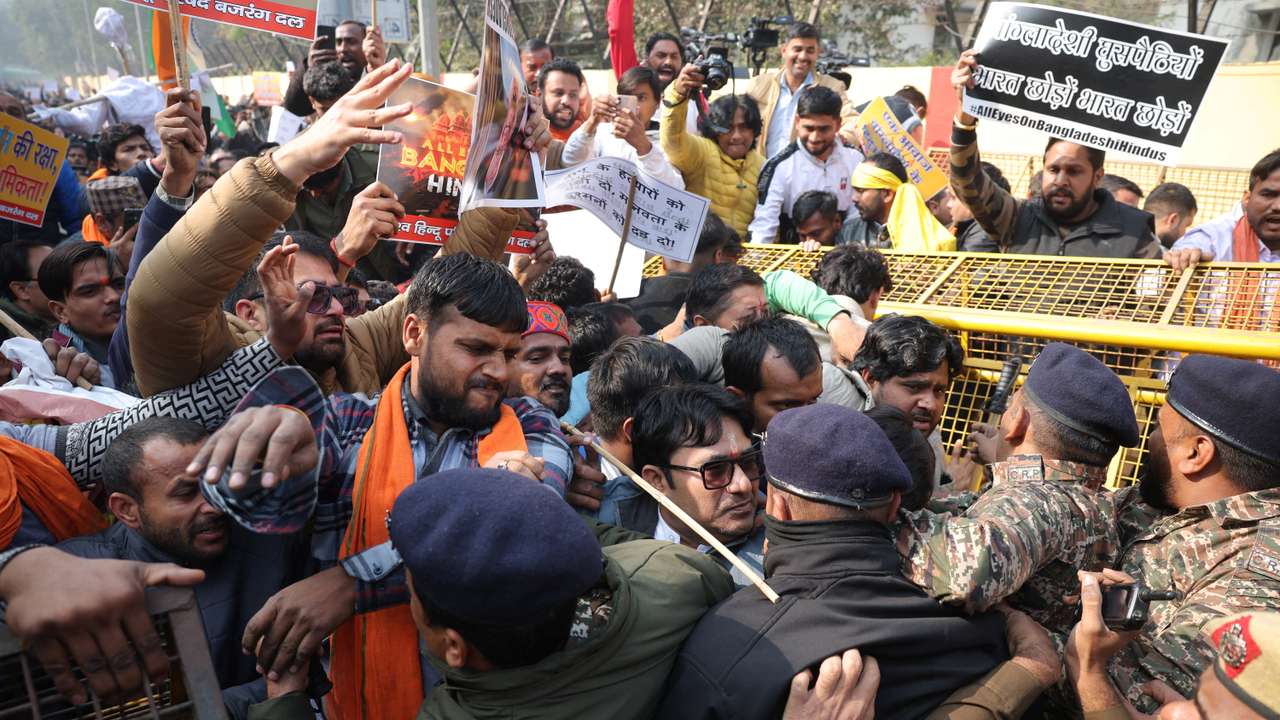
Bangladesh’s political moment did not begin with the elections, it began with a student-led protest over public-sector job quotas in mid-2024.
What started as campus dissent rapidly evolved into a broad political uprising demanding accountability, reform, and ultimately the resignation of long-time leader Sheikh Hasina.
According to multiple timelines and analyses, the clash between state forces and demonstrators after the High Court reinstated controversial job quota rules widened public anger. Clashes escalated into what many have described as a mass, pro-democracy movement that ultimately pushed Hasina out of power in August 2024.
The protests did not just shake the streets, they reshaped the state. Sheikh Hasina resigned and left the country in August 2024, ending her fifteen-year rule, and an interim government under Muhammad Yunus was formed.
This shift was in large part due to sustained public pressure, especially from youth and student networks, that exposed deep distrust in the status quo and ignited demands for democratic reform and government accountability.
RECOMMENDED FOR YOU

Six countries account for three-quarters of Europe’s unicorn startups
The February 12, 2026, general election is seen not as a routine democratic exercise but as a key step in responding to those demands.
Bangladeshis widely regard this vote as a chance to reset the political process after years marked by contested elections, allegations of authoritarianism, and political repression under Hasina’s government. Many citizens hope the polls will restore civil liberties, strengthen institutions, and respond to calls for accountability raised during the protests.
The interim administration, under intense pressure to deliver a credible electoral timeline, has moved the election up as part of responding to public expectations that political change should culminate in a legitimate parliamentary mandate.
The protests have reshaped the political landscape in ways that will influence voter behaviour and party positioning:
- The historic ruling party associated with Hasina, the Awami League, is barred from participating in the upcoming elections, removing it as a dominant contender.
- New and revived parties, including those rooted in the protest movement and youth engagement, are contesting power with fresh narratives about democratic reform and accountability.
For many voters, the upcoming election is not simply a choice between candidates; it is a referendum on change itself: whether Bangladesh’s democratic institutions can be strengthened to reflect the demands that first propelled thousands into the streets.
This story is written and edited by the Global South World team, you can contact us here.