How Epstein tried to clean up his image using Filipino workers
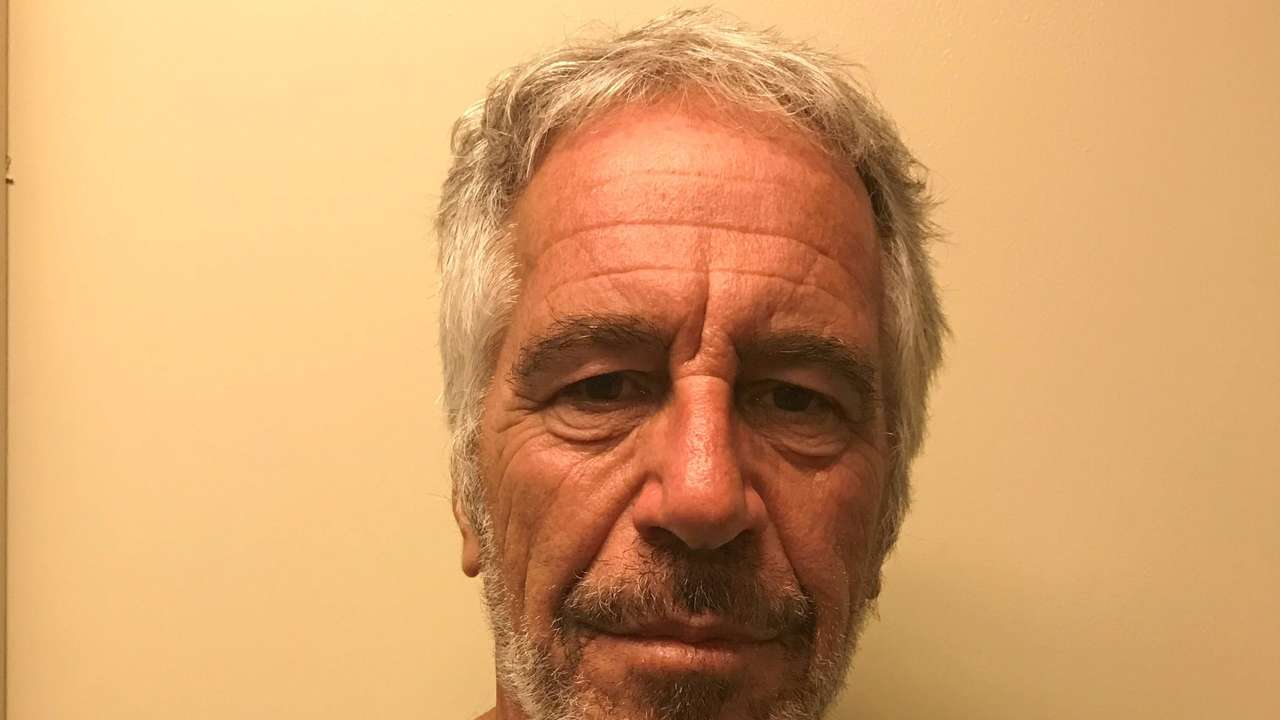
Everyone’s talking about the Epstein Files, but few have noticed the Global South angle.
A newly released trove of U.S. government documents sheds light on how Jeffrey Epstein quietly tried to scrub his criminal past from the internet years before his final arrest. Part of that effort, according to a new report by media outlet Philstar.com, was outsourced to workers in the Philippines.
The emails, contained in the so-called Epstein Files, show how reputation management, search algorithms and low-cost overseas labour were used to launder the image of a convicted sex offender, even as allegations against him continued to mount.
Why it matters:
Epstein’s case illustrates how early digital manipulation tactics were used to suppress accountability, raise ethical questions about outsourced online labour, and expose gaps in platform safeguards.
RECOMMENDED FOR YOU

Fertilizer shipments through Strait of Hormuz fall to zero as food security fears grow
By the numbers
- 2010: Epstein, already a convicted sex offender, seeks an online cleanup
- $10,000 to $20,000 per month: Cost of the reputation management effort
What Epstein did
- Hired an associate to flood search engines with positive or unrelated content
- Used old-school SEO tactics to bury links referencing jail time and abuse
- Targeted Google results and Wikipedia, seen as reputation gatekeepers
The Philippines angle
- A Philippines-based team was tasked with mass link-building and backend edits
- Workers created “pseudo-sites” and boosted unrelated people sharing Epstein’s name
- Emails describe sustained, labour-intensive work to dilute negative search results
How it worked
- Overwhelm search algorithms with volume, not accuracy
- Push critical reporting lower in rankings until it became invisible to casual users
- Repeatedly edit Wikipedia entries, despite reversals by volunteer editors
Did it succeed?
- Temporarily softened Epstein’s online footprint
- But failed to erase scrutiny permanently as new victims came forward
- Epstein remained socially connected until his 2019 arrest
This story is written and edited by the Global South World team, you can contact us here.
