How fake coffee in Vietnam could disrupt Uganda’s $2.5bn coffee trade
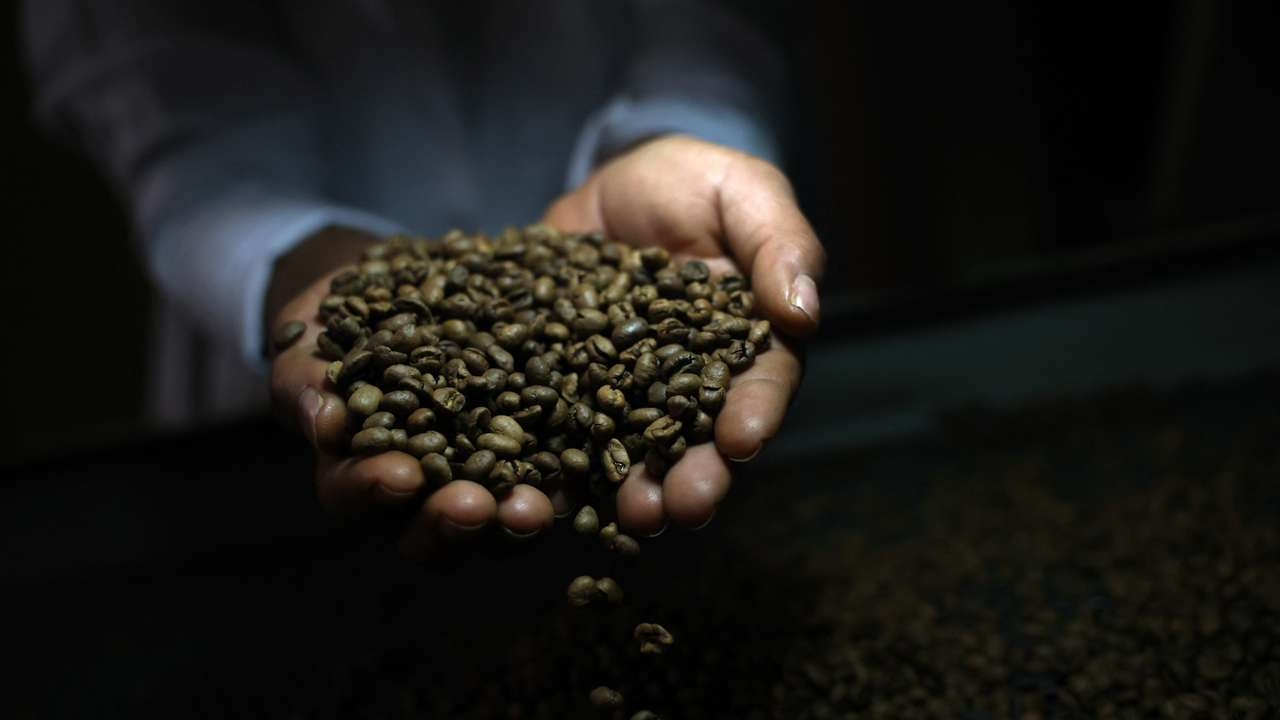
Uganda’s coffee sector is alert about developments in Vietnam after authorities uncovered a major fake coffee operation, a scandal that could threaten trust in global Robusta markets and put Uganda’s export gains at risk.
Vietnamese police have launched a criminal investigation after raiding a warehouse in Lam Dong province in the Central Highlands, where they seized 4.1 tonnes of counterfeit coffee and another 3 tonnes of raw materials used in production.
The Vietnamese Ministry of Public Security said the fake coffee was made by mixing soybeans with artificial flavourings, grinding the blend and selling it as genuine coffee.
For Uganda, Africa’s largest coffee exporter, the discovery raises alarm because Vietnam dominates the same global Robusta market that Uganda relies on.
Why this matters for Uganda
RECOMMENDED FOR YOU

Six countries account for three-quarters of Europe’s unicorn startups
Coffee is one of Uganda’s most important export earners. In 2025, the country exported 8.7 million bags worth $2.5 billion, a major jump from the previous year.
Ugandan exporters fear that if counterfeit Vietnamese coffee finds its way into international supply chains, especially through blended or bulk shipments, it could damage confidence in Robusta coffee.
That could push prices down, hurt demand, and create reputational risks even for legitimate producers like Uganda. Ugandan industry players say the challenge is that fake coffee becomes difficult to detect once it is ground, packaged, and distributed.
“Fake coffee products are not rare,” said Nguyen Quang Tho, a trader in Vietnam’s Dak Lak province. “They can be made from soybeans, corn, or both,” he is quoted. Vietnam is the world’s biggest Robusta producer, exporting more than 1.6 million tonnes last year.
This story is written and edited by the Global South World team, you can contact us here.