How Indonesia plans to fix its garbage problem by 2027
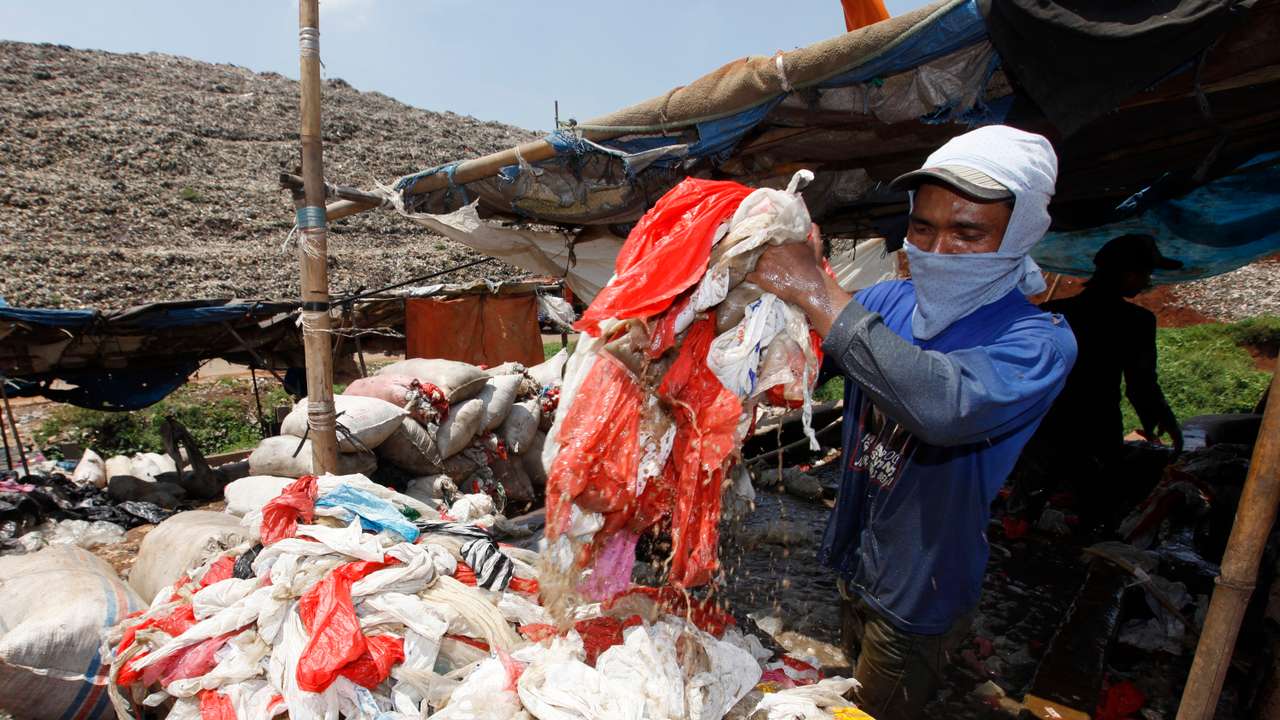
Indonesia is grappling with a growing waste crisis, with millions of tonnes of rubbish mismanaged each year and major tourist and urban areas struggling to cope with overflowing landfills.
This problem was thrust back into the spotlight this month after President Prabowo Subianto publicly criticised the state of Bali’s beaches, relaying complaints from foreign leaders who said the island was no longer as clean as it once was.
“I recently met with several foreign leaders in South Korea, and they shared their criticism about Bali’s beaches. They told me, ‘Your Excellency, I just returned from Bali. The beaches are so dirty now. Bali is no longer as beautiful,’” Prabowo said.
“We should take these remarks as constructive feedback and work together to address the issue,” he added.
Within days, Bali authorities launched large-scale clean-up operations across several beaches, including Kuta and Kedonganan, deploying police, military personnel, students and volunteers. Several tonnes of waste were cleared in a single day.
RECOMMENDED FOR YOU

Senegal welcomes Youth Olympic flame ahead of Dakar 2026
Bali Police spokesperson Ariasandy said public participation was essential to protecting marine ecosystems and sustaining tourism, a key pillar of the island’s economy.
A special task force was also formed for Kuta Beach, designed to respond rapidly to tidal waste washing ashore.
Big picture
However, these beach clean-ups only highlight a wider national challenge.
According to government data, Indonesia generated about 31.9 million tonnes of waste in 2023. While roughly two-thirds was managed, more than 11 million tonnes remained unmanaged.
Limited landfill capacity, rapid population growth and weak waste sorting have worsened the problem. In Bali alone, nearly all landfill sites are close to full, while only about 48 per cent of waste is properly recycled or disposed of.
Plastic waste is a major concern, as the Indonesian Institute of Sciences estimated Indonesia releases more than 600,000 tonnes of plastic into the ocean each year, threatening marine biodiversity and coral reef systems.
According to the United Nations Environment Programme, Indonesia is the world’s second largest plastic polluter, trailing only China. Its plastic problem is so bad that an estimated 10 billion plastic carry bags are said to be released into the environment each year.
What Indonesia is doing
In response, authorities have begun tightening regulations. Bali has banned single-use plastic bags, straws, cups and styrofoam across businesses, schools and government offices, and restricted the sale of small bottled water.
RECOMMENDED FOR YOU
Mexico's Sheinbaum accuses US of 'interference' after former president López Obrador’s son loses visa
Waste sorting is now mandatory in many sectors, with organic waste required to be composted and recyclable materials separated to reduce pressure on landfills.
Beyond clean-ups and bans, Indonesia is turning to technology. The government plans to expand waste-to-energy facilities, which convert rubbish into electricity, especially in areas producing more than 1,000 tonnes of waste daily.
Problem solved by 2027?
India has set an ambitious target to significantly resolve the country’s waste problem by 2027, with Prabowo calling towering landfill sites “embarrassing” for a major economy.
Pilot projects are already underway. In Banten province, waste is being processed into refuse-derived fuel and co-fired with coal at power plants, cutting landfill volumes and creating local jobs.
Indonesia ultimately aims to shift toward a circular economy, treating waste as a resource rather than a burden.
For Bali and other tourism destinations in Indonesia, Tourism Minister Widiyanti Putri Wardhani said beach clean-up drives will now be expanded nationwide under the government’s Clean Tourism Movement.
While challenges remain, Indonesia’s response signals a more coordinated effort to tackle one of its – and perhaps, the world's – most visible problems
This story is written and edited by the Global South World team, you can contact us here.