How Middle East crisis could affect Africa's oil supply, revenue; and drive up inflation
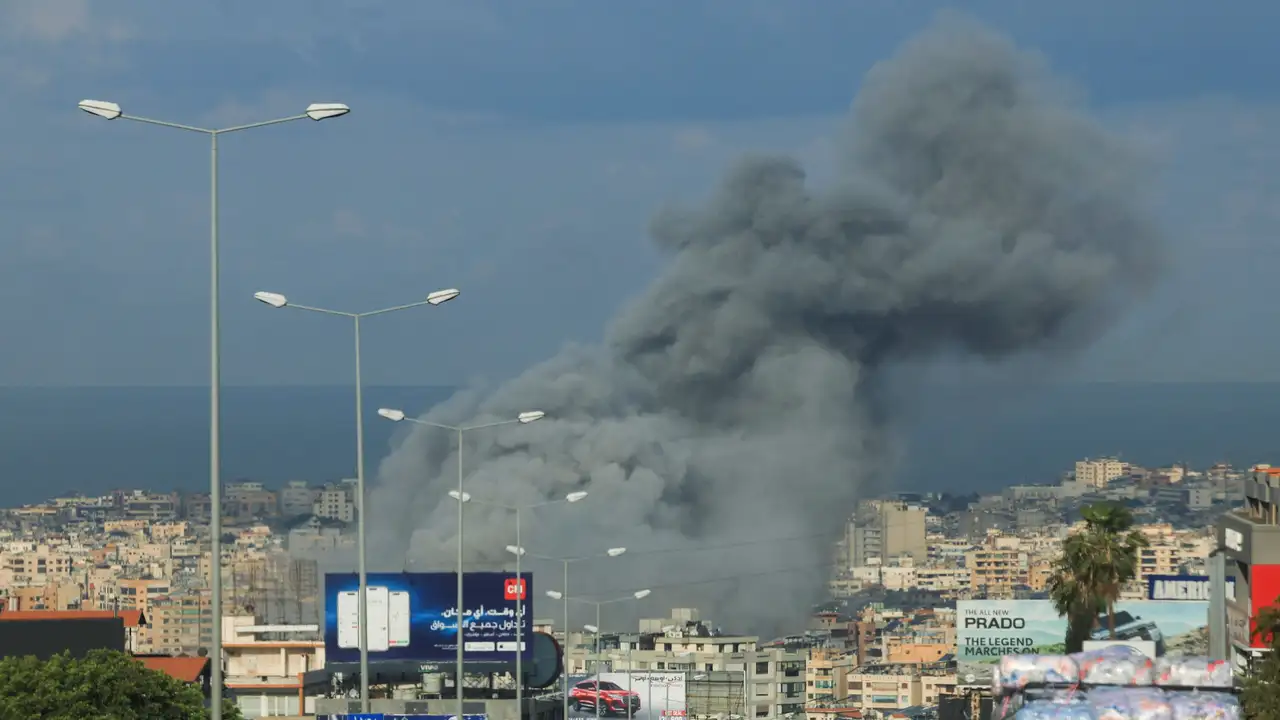
Oil prices have jumped as tensions involving the United States, Israel and Iran spreads beyond the immediate Gulf battleground.
The shock could briefly lift government revenues in Africa’s oil-exporting states, while pushing up inflation and transport costs for countries that import most of their fuel.
Business Day reported that brent crude, the global benchmark, rose about 10% to above $82 a barrel after attacks on vessels near the Strait of Hormuz, a narrow shipping lane that carries a huge share of global energy trade.
Why the Strait of Hormuz matters to Africa
The Strait of Hormuz is one of the world’s most important oil chokepoints. The US Energy Information Administration estimates that oil flows through the strait averaged about 20 million barrels a day in 2024, roughly 20% of global petroleum liquids consumption. It also handles around one-fifth of global LNG trade, much of it from Qatar.
RECOMMENDED FOR YOU

Brazilians vote in Beijing amid concerns over China ties and social policies
That is why any sustained disruption can ripple quickly into pump prices far from the Gulf, including across Africa, where many economies rely on imported refined fuel.
Short-term upside for African crude producers
Higher crude prices can offer temporary fiscal breathing room for African producers such as Nigeria, Angola and Equatorial Guinea, many of which are managing tight budgets and heavy debt loads. A longer disruption to shipping could push prices into triple digits; JPMorgan analysts have warned that a severe Hormuz shock could send oil sharply higher, with some scenarios well above $100 a barrel.
For exporters, that can translate into stronger dollar inflows, improved reserves and higher government revenue, at least on paper.
Why higher oil prices can still hurt African consumers
Clementine Wallop, an analyst at Horizon Engage, warned that higher crude prices feed straight into household costs: “Higher crude prices mean higher fuel prices, and several of these countries have worked or are working hard to stop subsidy programs.”
Countries such as Nigeria and Angola have scrapped or scaled back fuel subsidies, exposing consumers more directly to global price swings. Where local refining capacity is limited, tighter supplies of imported petrol and diesel can quickly raise pump prices, pushing up transport and food costs.
Natural gas shock adds another layer
RECOMMENDED FOR YOU

Europe hit by wave of protests as rising living costs, housing crisis fuel unrest
Energy markets beyond oil are also reacting as gas prices spiked nearly 50% after QatarEnergy halted production following reported strikes on its facilities. For African countries that import LNG or rely on global gas benchmarks for power and industrial costs, the gas surge could add to inflation pressures.
Meanwhile, the African Union Commission has cautioned that further escalation could have “serious implications for energy markets, food security, and economic resilience, particularly in Africa,” urging restraint and diplomacy.
This story is written and edited by the Global South World team, you can contact us here.