How one IPL decision sparked an India–Pakistan–Bangladesh cricket crisis
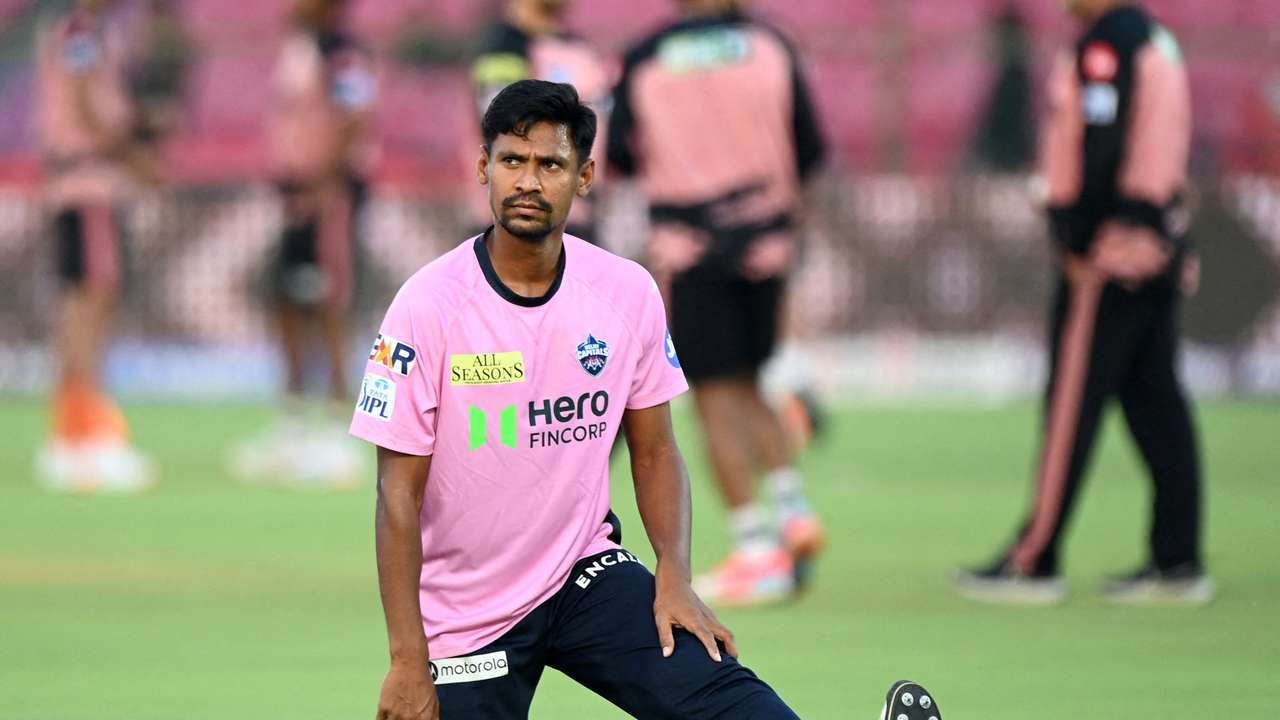
The international cricket community is facing a major dispute following the removal of Bangladeshi fast bowler Mustafizur Rahman from the Indian Premier League (IPL) and his subsequent move to the Pakistan Super League (PSL).
What began as a franchise selection issue has escalated into a geopolitical standoff involving the Board of Control for Cricket in India (BCCI), the Pakistan Cricket Board (PCB), and the International Cricket Council (ICC).
The IPL exit and political pressure
In December, the Kolkata Knight Riders (KKR) signed Rahman for Rs 9.2 crore ($1 million) during the IPL auction held in Abu Dhabi, making him one of the most expensive overseas players at the event. However, on January 3, the BCCI instructed KKR to release Rahman.
The move was influenced by political pressure within India. Leaders from the Bharatiya Janata Party (BJP) raised objections to the participation of Bangladeshi players in the IPL following reports of communal violence against the Hindu community in Bangladesh.
RECOMMENDED FOR YOU

Six countries account for three-quarters of Europe’s unicorn startups
These leaders called for a boycott of Bangladeshi products and public figures, with Rahman’s presence in the IPL becoming a focal point of the criticism. In retaliation for the removal, Bangladeshi authorities banned all broadcasts of the IPL within their borders.
Tensions have been high between the South Asian neighbours since former Bangladesh Prime Minister Sheikh Hasina fled to India in 2024.
Escalation to the T20 World Cup
Rahman’s removal soon had implications beyond the IPL. The Bangladesh Cricket Board (BCB) requested that its T20 World Cup matches be moved from India to Sri Lanka, citing "security concerns".
The ICC rejected this request, citing an "absence of any credible security threat". When the BCB failed to confirm its participation within a 24-hour deadline, the ICC removed Bangladesh from the tournament, replacing them with Scotland.
The ICC defended its firm stance by stating it was vital "not to establish 'precedents that could undermine the neutrality and fairness of ICC events'".
Pakistan boycott and financial risks
The situation worsened when Pakistan intervened in support of Bangladesh. The Pakistan government and the PCB accused the ICC of "double standards".
In a significant blow to the tournament’s commercial viability, the Pakistani government ordered its national team not to take the field against India for their scheduled match on 15 February.
This "selective participation" poses a major financial threat to the ICC, as India-Pakistan matches generate significant broadcast and commercial revenue that can attract over 600 million viewers.
RECOMMENDED FOR YOU

Malaria surge in Sudan’s Khartoum as millions return home
The ICC has warned that such actions are "not in the interest of the global game" and called for a "mutually acceptable resolution". Supporting the government's stance, former Pakistan captain Shahid Afridi stated: "This is the moment for the ICC to lead and prove through decisions, not statements, that it is impartial, independent and fair to every member".
Transition to the Pakistan Super League
Amid the ongoing dispute, Rahman secured a contract in the PSL with the Lahore Qalandars, signing for $230,000. He was one of two players signed directly outside the league’s auction process. This is Rahman’s third stint with the franchise since the PSL began in 2016, where he is viewed as a foundational member of the squad.
Lahore Qalandars owner Sameen Rana publicly backed the player, stating: “Once a Qalandar, always a Qalandar. Mustafizur is not just a player; he’s a brother, a key part of our family who never left”.
Rana added that Rahman’s “talent, experience, and dedication” would be important as the team prepares to defend its title in the upcoming PSL 11 season.
This story is written and edited by the Global South World team, you can contact us here.
