How Pakistan, also at war, became an unlikely US-Iran peace broker
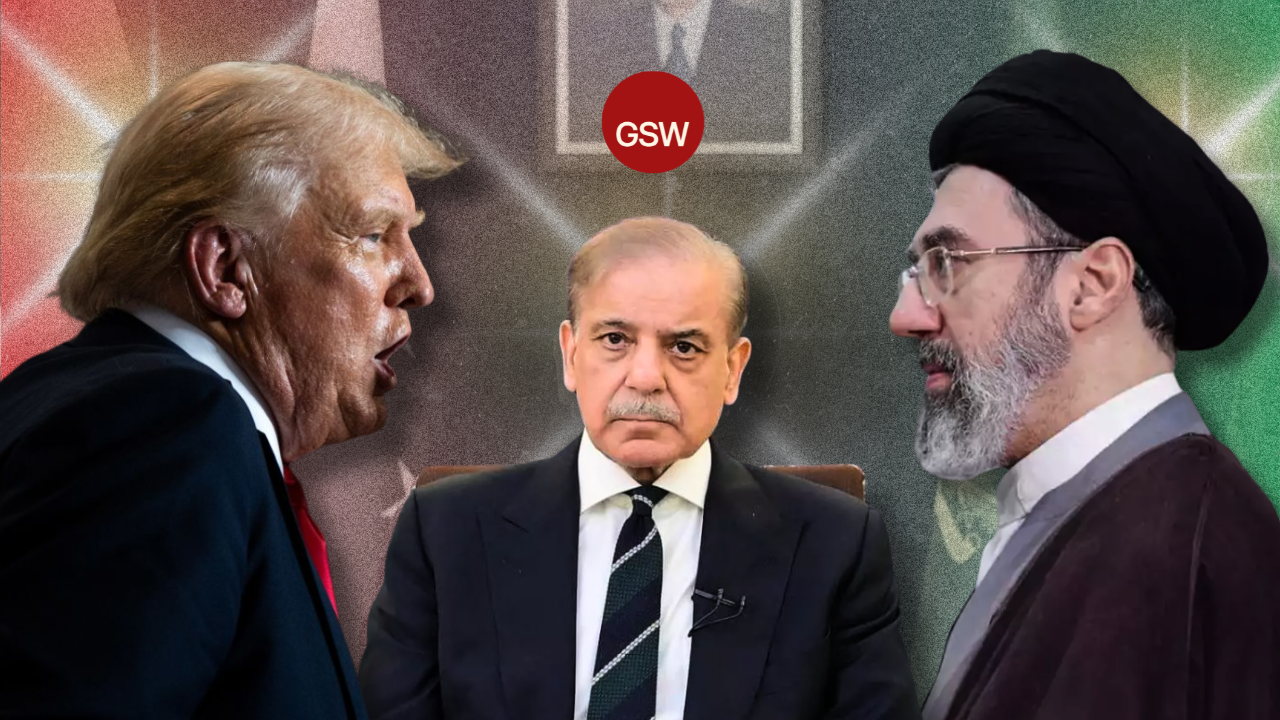
How can a country at war help mediate another?
Pakistan is trying to answer that question as it pushes itself into diplomacy between the United States and Iran even while fresh fighting has broken out on its own border with Afghanistan.
Afghan Taliban officials said renewed clashes on Wednesday came after a temporary Eid ceasefire expired, killing at least two civilians in eastern Afghanistan, while each side accused the other of starting the exchange.
That has not stopped Islamabad from making a conspicuously public play for a role in the Middle East crisis.
Since the US-Israel war on Iran began on Feb. 28, Pakistan’s civilian and military leadership have been engaging what one of the source reports described as “regional and friendly countries” while repeatedly calling for de-escalation.
RECOMMENDED FOR YOU
Six countries account for three-quarters of Europe’s unicorn startups
Foreign Office spokesman Tahir Andrabi said earlier this week that Pakistan remained committed to resolving the conflict “through diplomatic means and engagements,” even as he urged the media to avoid speculation.
In a post on X, Prime Minister Shehbaz Sharif formally offered Islamabad as a venue for talks between Iranian and US officials, saying Pakistan stood “ready and honoured” to host “meaningful and conclusive talks” if both sides agreed.
Sharif tagged President Donald Trump, Iranian Foreign Minister Abbas Araghchi and US special envoy Steve Witkoff. The idea of Islamabad hosting talks had in fact come from Washington, reporters revealed. Trump later shared Sharif’s post on Truth Social.
A messenger to Tehran
Pakistan’s role has not been limited to offering conference rooms.
Washington had sent a peace proposal to Tehran through Pakistan, with Reuters and the New York Times naming Islamabad as the messenger. A senior Iranian official told Reuters that either Turkey or Pakistan was being considered as a possible venue if talks advanced.
Rafael Grossi, head of the International Atomic Energy Agency, added to the speculation when he said he thought talks could take place in Islamabad over the weekend, though he stressed nothing had been settled.
Pakistani officials then moved from hint to confirmation, though not all the way to clarity. Deputy Prime Minister and Foreign Minister Ishaq Dar said on X on Thursday that “indirect US-Iran talks” were taking place through messages relayed by Pakistan. He added that the United States had shared 15 points that Iran was considering.
But he stopped short of saying Pakistan would definitely host any face-to-face meeting. Andrabi did the same in his weekly briefing, insisting this was a “process,” not an “event,” and saying any concrete developments would be announced later. He also rejected suggestions that security concerns were holding up Islamabad as a venue, saying Pakistan was “very safe and secure.”
RECOMMENDED FOR YOU
Tunisia Roundup: Drug cases triple, 10,000 students face housing squeeze and businesses target African expansion
Walking a tightrope
Islamabad has also sought to show that it has access to both sides. Pakistan’s army chief, Field Marshal Asim Munir, spoke with Trump on March 23, while Sharif spoke the next day with Iranian President Masoud Pezeshkian.
In the Senate, Dar said he had conveyed Tehran’s position to U.S. Secretary of State Marco Rubio and backed Iran’s right to peaceful nuclear energy, while also making clear that Pakistan “would not allow itself to be dragged into a broader regional conflict.”
About 35,000 Pakistanis were in Iran and that 792 had already been evacuated by land through the Taftan-Zahedan crossing.
Still, Pakistan’s emergence as a mediator remains real but provisional. The White House has warned against treating reported talks as official, and Araghchi has said exchanges through mediators do not amount to negotiations with Washington.
For now, Pakistan is trying to end one war — even as it fights another at home.
RECOMMENDED FOR YOU
Norway has Europe’s highest petrol prices, Russia and Belarus remain cheapest
This story is written and edited by the Global South World team, you can contact us here.