How Trump removed two foreign leaders, one Saturday at a time
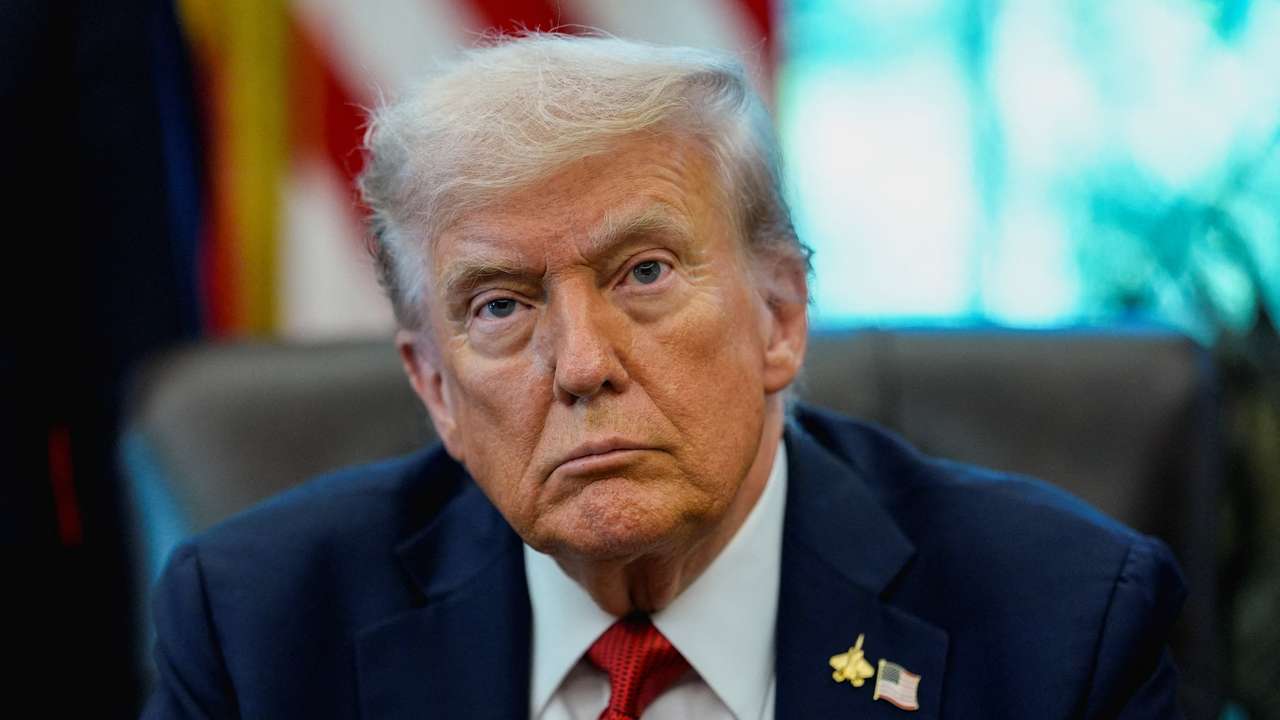
In just the first two months of 2026, U.S. President Donald Trump has ordered two major military operations that dramatically reshaped governments abroad — both launched on a Saturday and both resulting in the removal of a foreign leader.
The first came on January 3, when U.S. forces carried out “Operation Absolute Resolve” in Venezuela, a highly coordinated mission that ended with the capture of longtime President Nicolás Maduro in Caracas.
The raid began in the early morning hours as U.S. forces struck key military infrastructure around the Venezuelan capital to disable air defenses. Special operations troops then moved in on Maduro’s compound, capturing him and his wife, Cilia Flores, before flying them out of the country to face charges in New York, where they remain detained.
The operation abruptly removed a leader who had ruled the oil-rich South American nation for more than a decade and had long been a target of U.S. sanctions and criminal indictments tied to alleged narcotics trafficking. Venezuelan Vice President Delcy Rodríguez was later sworn in as acting president following Maduro’s capture.
Less than two months later, another Saturday operation sent shock waves across the Middle East.
RECOMMENDED FOR YOU
Senegal welcomes Youth Olympic flame ahead of Dakar 2026
On February 28, U.S. forces launched “Operation Epic Fury,” a sweeping air and missile campaign targeting Iran’s military infrastructure and leadership. It followed what “preemptive” strikes launched by Israel.
The strikes killed Supreme Leader Ayatollah Ali Khamenei, Iran’s most powerful political and religious figure, who had led the country since 1989.
The attack hit hundreds of targets, including missile facilities and command centers, and triggered retaliatory strikes by Iran against U.S. and allied positions across the region.
Khamenei’s death has plunged Iran into its most severe leadership crisis since the 1979 Islamic Revolution, with an interim council now overseeing the country while authorities determine a successor.
Together, the two operations underscore a striking pattern in the early months of Trump’s presidency: the direct use of U.S. military power to remove foreign leaders from power.
It also marks a stark contrast with Trump’s pledge to be a “president of peace,” a theme he emphasized during his 2024 campaign by repeatedly claiming he would end “un-endable wars.”
In his victory speech that year, Trump said: “I’m not going to start wars. I’m going to stop wars.”
Trump has since framed his approach as pursuing “peace through strength.”
RECOMMENDED FOR YOU
Mexico's Sheinbaum accuses US of 'interference' after former president López Obrador’s son loses visa
Yet within eight weeks — and on two separate Saturdays — Washington helped bring down two governments thousands of miles apart, from Caracas to Tehran.
This story is written and edited by the Global South World team, you can contact us here.