How zoo staff are protecting animals during Ukraine’s harsh wartime winter
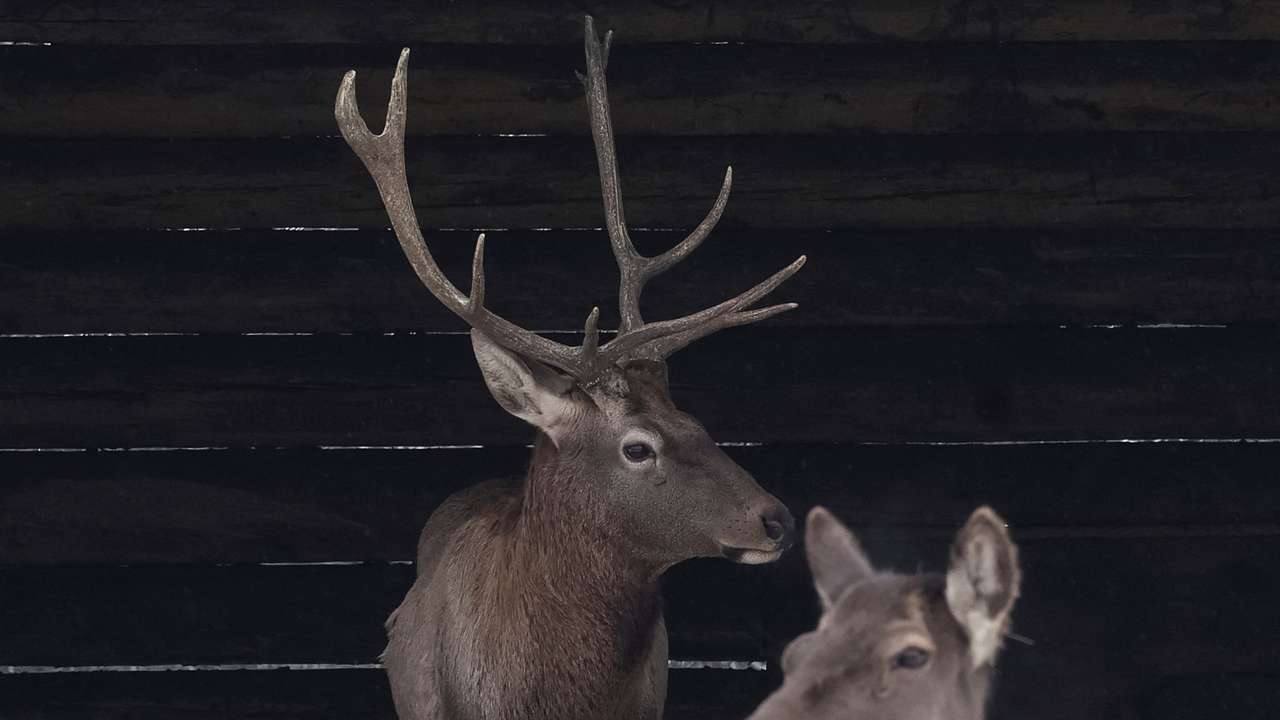
At Kyiv’s zoo, staff are working around the clock to keep animals warm as Russian air strikes continue to damage Ukraine’s energy infrastructure during one of the coldest periods of winter.
Repeated attacks on power facilities have caused widespread outages across Kyiv and other cities, leaving millions without electricity, heating and sometimes water. Temperatures have fallen as low as minus 18 degrees Celsius, making the situation especially dangerous for both people and animals.
While city officials have urged residents to temporarily leave Kyiv if possible, zoo animals have no such option. Among them is Tony, a 51-year-old gorilla, one of the zoo’s most well-known residents.
“You can tell people to go to the countryside, but I can’t say that to Tony,” said zoo director Kyrylo Trantin. “He doesn’t have a grandmother in the countryside where he could stay.”
To keep Tony’s enclosure at a steady 20 degrees Celsius, staff feed firewood into a stove up to five times a day. Generators run constantly to provide heat to other animals, including horses, bison and an elephant.
RECOMMENDED FOR YOU

Malaria surge in Sudan’s Khartoum as millions return home
Power cuts have also disrupted water supplies, but zoo workers have prepared for emergencies. Staff member Viktoriia Sluzhenko said the zoo maintains enough water reserves to operate independently for up to three days. The elephant alone requires about 150 litres of water each day.
“Every day is a battle for warmth and power,” Trantin said. Trantin, like many others are juggling the responsibility of caring for animals while also coping with the same hardships affecting the rest of the city.
This story is written and edited by the Global South World team, you can contact us here.