In Malaysia, reactions to Khamenei’s death expose divisions among Muslim sects
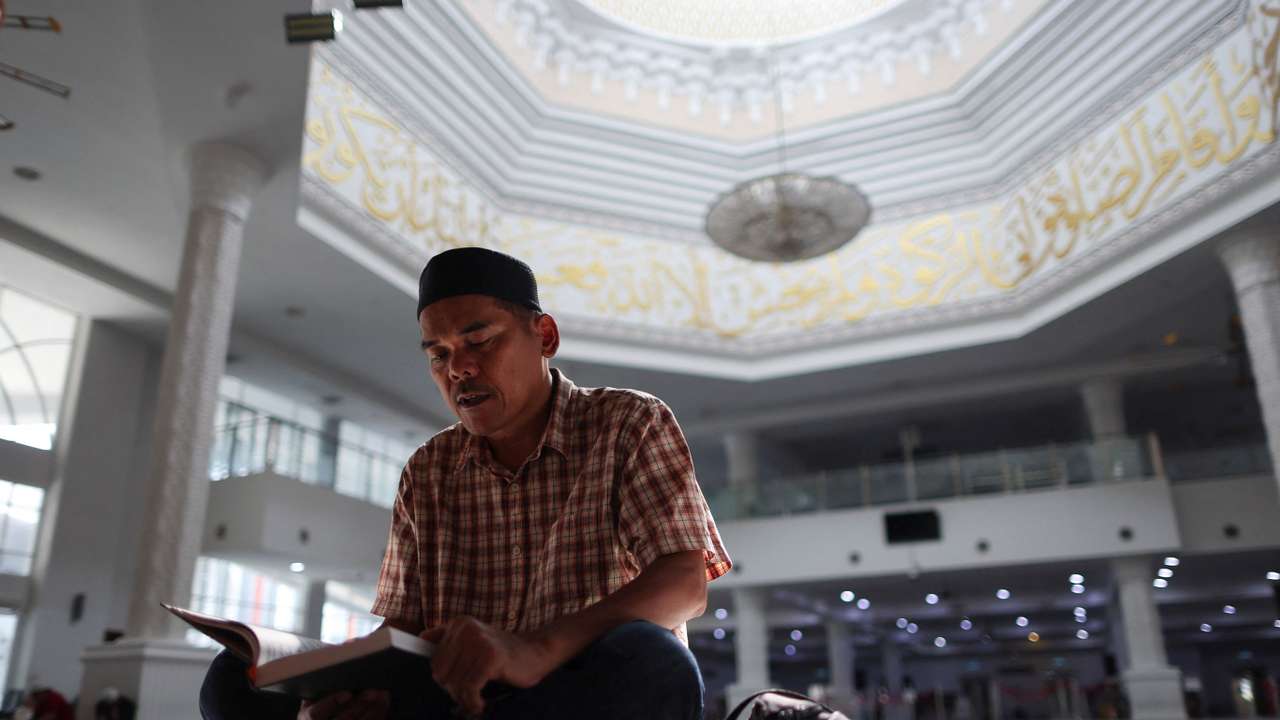
The death of Iran’s Supreme Leader Ayatollah Ali Khamenei in a US-Israeli strike has drawn strong reactions among Muslims in Malaysia, revealing a mix of mourning, political anger and religious debate in the Sunni-majority country.
For Malaysia’s small Shi’ite community, Khamenei’s death was deeply personal. Some followers regarded the Iranian leader as a spiritual authority and global guide for Shi’ite Muslims.
“He was our imam and leader,” said a Malaysian Shi’ite who identified himself only as Zulfikar, describing Khamenei as a representative of the awaited Imam Mahdi in Shi’ite belief.
Small groups of Shi’ite adherents gathered outside the US embassy in Kuala Lumpur shortly after the strike, chanting slogans against the United States and holding portraits of the late Iranian leader.
But the reaction across Malaysia’s broader Muslim community has been far from uniform.
RECOMMENDED FOR YOU

Six countries account for three-quarters of Europe’s unicorn startups
Malaysia officially recognises only Sunni Islam. Shi’ite teachings have been classified as a “deviant sect” since a 1996 religious ruling, and the spread of the doctrine among Muslims is prohibited.
Sympathy for Khamenei raises eyebrows
Muslims make up the majority of Malaysia’s population. The United States government estimates the country’s population at about 34.2 million as of mid-2023. According to Malaysia’s 2020 national census, around 63.5 per cent of residents identify as Muslim.
The rest of the population follows other faiths, including Buddhism (18.7 per cent), Christianity (9.1 per cent) and Hinduism (6.1 per cent), while smaller groups identify as atheists or adhere to religions such as Sikhism, Taoism and the Baha’i faith.
Almost all Muslims in Malaysia practise Sunni Islam of the Shafi’i school, which forms the country’s dominant religious tradition.
Because of this, expressions of sympathy for Khamenei have sparked debate among many Sunni Malaysians.
Some prominent Muslim leaders offered condolences and described the Iranian leader as a martyr, a term in Islam traditionally used for those who die in a holy struggle. Their remarks drew criticism online from Malaysians who questioned how the leader of a sect considered deviant could be honoured in that way.
The differing responses highlight a long-standing tension in Malaysia, where Shi’ite Muslims have faced decades of scrutiny and restrictions.
Community representatives say Shi’ite followers have been questioned by religious authorities and security forces, while raids on gatherings and closures of Shi’ite-linked centres have occurred in the past.
RECOMMENDED FOR YOU

Tunisia Roundup: Drug cases triple, 10,000 students face housing squeeze and businesses target African expansion
Muslim sects in Malaysia
Because of this, some Shi’ite religious activities are conducted quietly, including prayer sessions and discussions held online.
At the same time, the wider conflict involving Iran has shaped how many Malaysians view the killing of its leader.
Malaysia’s government condemned the strike, with Prime Minister Anwar Ibrahim calling the attack hypocritical and criticising Western countries for what he described as double standards on human rights.
“I would like to express condolences to the Islamic Republic of Iran, Ayatollah Khamenei and his family; the leaders as well as the education community who were killed by the bomb attack by Israel and the United States,” Ibrahim said.
However, reactions among ordinary Malaysians remain divided.
While some expressed sympathy for Iran and anger at the United States and Israel, others welcomed the strike online, citing Iran’s role in regional conflicts such as the Syrian civil war.
This story is written and edited by the Global South World team, you can contact us here.