India Roundup: BRICS leadership, labour reforms, fresh geopolitical pressure
India takes over BRICS 2026 presidency
India has formally assumed the BRICS presidency for 2026, with External Affairs Minister S. Jaishankar unveiling the official website, theme and logo in New Delhi on Tuesday, January 13. Jaishankar said India’s chairship “will adopt a ‘humanity-first’ and ‘people-centric’ approach,” aimed at resilience, innovation, cooperation and sustainability. “Launched preparations for BRICS India 2026 with the unveiling of website, theme and logo,” he wrote on X, adding that the presidency would “seek to bring together the potential of the member countries of the grouping to promote greater global welfare.” Noting that BRICS will mark 20 years since its inception in 2026, Jaishankar said the bloc has evolved into a key platform for cooperation among emerging markets and developing economies. India took over the presidency from Brazil on January 1, marking its fourth turn at the helm, having last chaired the grouping in 2021 during the Covid-19 pandemic.
Labour reforms
Major delivery platforms Blinkit, Zepto, Zomato and Swiggy have begun moving away from their 10-minute delivery model following an intervention by Union Labour Minister Mansukh Mandaviya. The decision comes after gig workers staged a one-day strike on December 31, citing safety risks and health concerns linked to ultra-fast delivery timelines. Ministry sources said Blinkit has already removed the 10-minute delivery promise from its branding, with others expected to follow. A senior official said Mandaviya raised concerns with aggregators, urging them to stop the practice “considering the health and welfare of delivery workers,” a request the companies agreed to. Blinkit has since revised its tagline to “30,000+ products delivered at your doorstep.”
RECOMMENDED FOR YOU
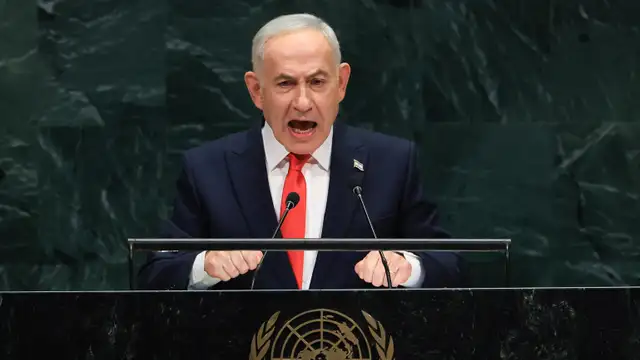
‘Iran could destroy us’ - Netanyahu warns of nuclear threat ahead of Israel election
Army chief issues blunt warning to Pakistan
India’s Army Chief General Upendra Dwivedi on Tuesday warned Pakistan that any future provocation would be met with a firm response, describing the counterterror Operation Sindoor as “ongoing.” Speaking at the Army Day press conference, he said, “At least 6 terror camps still active across the LoC & 2 across the International Border after Operation Sindoor against Pakistan. Will act, if any (nefarious) attempts are carried out.” Dwivedi said the operation was executed with precision, dismantling terror infrastructure and “resetting strategic assumptions.” He added that around 100 Pakistani personnel were killed during heightened tensions along the Line of Control and International Border, and acknowledged the coordinated role of intelligence agencies, civil authorities and multiple ministries in the operation.
India slips to third place in Russian fossil fuel imports
India fell to third place among importers of Russian fossil fuels in December 2025 after private and state-owned refiners sharply reduced crude purchases, according to the Centre for Research on Energy and Clean Air (CREA). India’s imports dropped to €2.3 billion in December from €3.3 billion in November, with Türkiye overtaking India as the second-largest buyer. China remained the top importer. CREA said crude oil made up 78 percent of India’s purchases, with coal and refined products accounting for the rest. The think tank noted that Reliance Industries halved its Russian imports in December, while state refiners cut purchases by 15 percent, amid tighter sanctions on major Russian producers Rosneft and Lukoil.
Trump’s Iran tariffs add to India’s trade worries
U.S. President Donald Trump has announced a 25 percent tariff on goods from countries “doing business” with Iran, a move that could further strain India’s trade outlook. “Any Country doing business with the Islamic Republic of Iran will pay a Tariff of 25% on any and all business being done with the United States of America,” Trump said, adding that the order was “final and conclusive.” India’s bilateral trade with Iran stood at $1.34 billion in the first 10 months of 2025, with exports including rice, tea, sugar and pharmaceuticals. The new tariffs come as India is already grappling with 50 percent U.S. levies linked to Russian oil purchases, with exporters warning that sectors such as textiles, gems and jewellery, leather and marine products could be hit hardest if the Iran tariffs are applied on top of existing duties.
This story is written and edited by the Global South World team, you can contact us here.